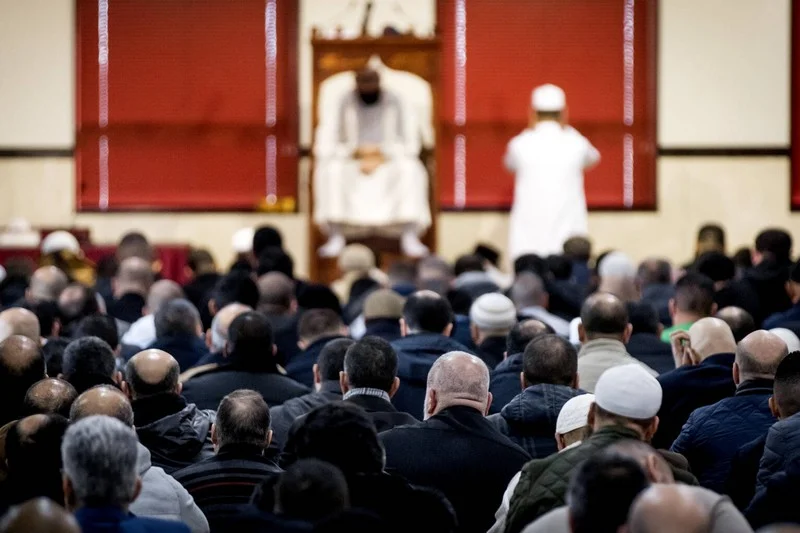
Morocco is witnessing an increase in religious practices and engagement with religious beliefs among youths, finds the Arab Barometer, an independent, non-partisan research network that has been conducting opinion polls in the MENA region since 2006.
In addition to a rise of religion practice’s popularity, the Kingdom also records a significant decline in people identifying as “non-religious.”
The majority of people in every country questioned in the Arab Barometer have identified as “religious” or “somewhat” religious. Nonetheless, some people describe themselves as “not religious.”
In most countries, youth aged 18 to 29 were more likely than those aged 30 or older to identify as “not religious,” while in Morocco, 22% of those who responded to the poll indicated as such.
Notably, between 2012 and 2014, youngsters were significantly more likely in several different nations to identify as “not religious.”
The Arab Barometer noted that despite many MENA regions’ increasing number of nonreligious individuals, it won’t become less religious, not in the near term.
In the same source’s recent wave of surveys, fewer people are declaring that they’re not religious.
“In all other countries surveyed, one in ten or fewer say they are not religious,” said the report.
In this regard, Morocco declined by seven points.
From 2018–2019 to 2021–2022, there has also been a rise in the number of citizens who declare to read religious texts every day.
More so than the other nations surveyed, Morocco, which gained 19 points, has seen significant improvements in adults admitting to engaging in religious practices such as reading the Quran.
The Arab Barometer’s main take was the decline in MENA citizens declaring that they were not religious in the 2020s compared to the 2010s.
“This rise in personal piety could be due to many factors, such as the effects of COVID-19, deteriorating economic conditions, or other challenges that make people more likely to turn to religion,” said the same source.








add your comment
Terms of publication : Not to offend the writer, people, sacred things, or attack religions or the divine self, and refrain from racist incitement and insults.