
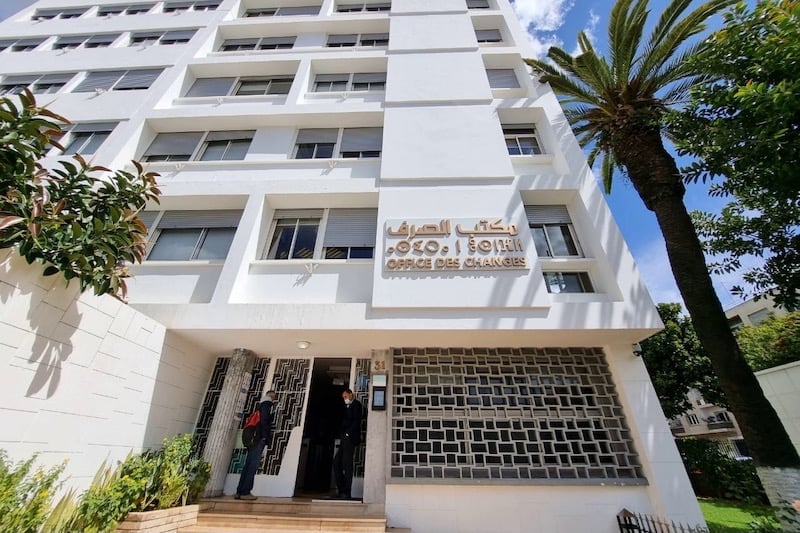
A recent study by the Moroccan Exchange Office showed that by 2026, the nation’s exports of construction materials might multiply by six, contributing to a flow of around 30 billion dirhams annually.
Called “The construction materials sector: Performance and development capacities”, the study falls within a program carried out by the organization as part of a policy the Kingdom advocates in order to consolidate its industrial fabric.
According to the study, several of Morocco’s rivals or partners are already exporting building materials in far bigger quantities.
The findings of this study also demonstrate that Morocco is capable of converting a significant portion of its MAD 21 billion in annual imports of building supplies and materials into local manufacturing.
“The construction materials sector is a strategic activity for the national economy for several reasons. This sector creates jobs and added value. It directly conditions the development of two essential sectors for the economic and social development of the country, namely housing, and construction,” explains the study.
Several areas of the national economy are in turn, significantly impacted by these two industries.
Over the past ten years, the construction materials sector has contributed an average of 4.2% of all imported goods to Morocco’s international trade.
One of the economic sectors most impacted by the health crisis, whose effects were magnified by lockdown measures and limits on people’s mobility, is the construction materials industry, noted the report.
The protection of local construction material production against massive imports of competitors’ products is among the guidelines that are quite obviously required to ensure the sustainability of businesses and jobs in this sector.
The recommendations stated in the study are made with the aim of developing the sector and ensuring an optimal post-Covid19 recovery,.
In addition to providing new insight into how the construction materials industry functions and interacts with its internal and external environment, this study also made recommendations for how to address the strategic issues facing this sector and ensure that it can once again serve as a catalyst for economic growth in Morocco.
To fulfill the needs of the internal market and grow the Kingdom’s exports, this calls for a structural change of this industry as well as an expansion in productive capacities on the national level.




add your comment
Terms of publication : Not to offend the writer, people, sacred things, or attack religions or the divine self, and refrain from racist incitement and insults.