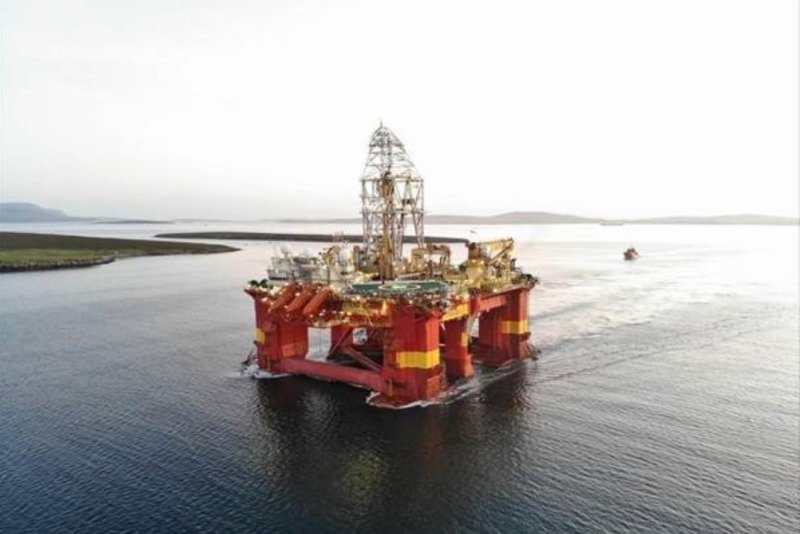
Chariot, a company that explores energy resources in Africa, has finished the Front-End Engineering Design (FEED) of essential aspects of its main Anchois gas development project located in Morocco.
Adonis Pouroulis, Chariot’s CEO, verified the report and announced that they are currently engaged in detailed discussions concerning partnering, gas sales agreements, and project finance.
The completion of the FEED phase is a crucial step towards defining the initial development plan to deliver gas to their primary customers and further confirms the development’s potential for viability and commercial success.
Front-End Engineering Design (FEED) is a phase in the engineering design process that comes before the detailed engineering design and construction stages. It is a critical step in which the technical feasibility of a project is evaluated, and its basic design is developed.
During the FEED phase, engineers and other technical experts assess the project’s requirements, objectives, risks, and constraints, and develop the preliminary design of key components of the project.
This includes defining the scope of work, selecting equipment and materials, developing project schedules, estimating costs, and identifying potential issues and risks. The FEED phase helps to minimize risks, optimize project performance, and reduce costs by identifying potential problems and providing solutions before detailed design and construction begin.
The Anchois gas development project is a portion of Chariot’s objective to enhance the African energy market for mining operations by generating and supplying cleaner, sustainable, and more reliable power.
The project covers a region of more than 2,300 square kilometers in a water depth varying from the coastline to 850 meters and falls under the Lixus Offshore drilling license. In June 2022, the energy group started the FEED for the Anchois development after raising $25.5 million.
Other technical activities have been in progress, including conducting onshore and offshore environmental baseline surveys as part of the Environmental, Social Impact Assessment (ESIA) and developing the project’s drilling planning. Chariot has a 75% project interest and operatorship, while Morocco’s Hydrocarbons and Mines Office (ONHYM) has 25% interest.



add your comment
Terms of publication : Not to offend the writer, people, sacred things, or attack religions or the divine self, and refrain from racist incitement and insults.