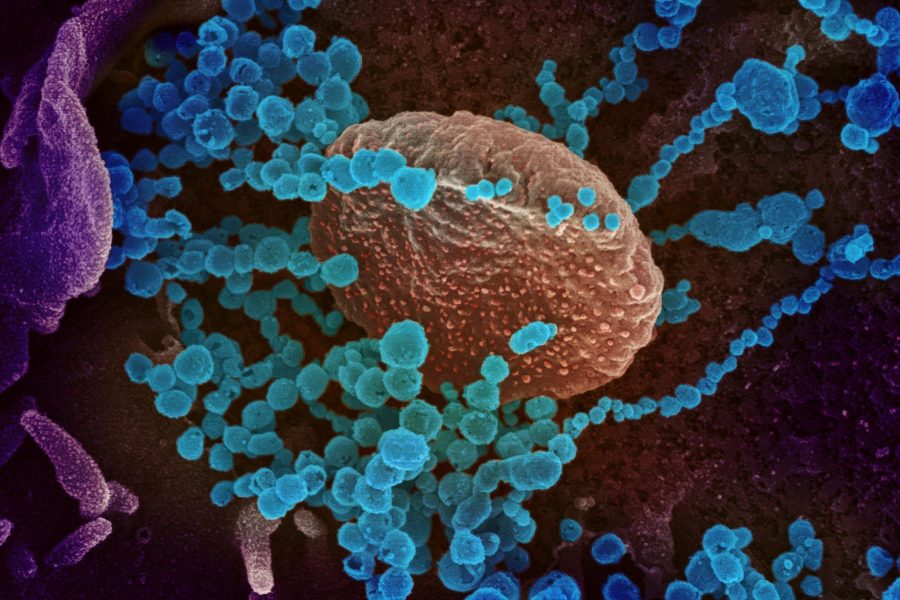
The H5N1 virus is of increasing concern to the World Health Organization (WHO). The latter even warned against the high risk of spreading the avian influenza virus, after the death of an 11-year-old girl in Cambodia, while her father tested positive for the virus.
Currently, there is no evidence that the H5N1 virus can be transmitted between humans. But the WHO is in the process of reviewing the assessment of the global risks of spreading the virus, believing that the situation “became worrying” after the recent death.
A WHO official said that the organization takes the dangers posed by this virus very seriously and urges all countries to raise the level of attention and caution, explaining that in addition to the increase in the spread of the avian influenza virus among wild birds and poultry in different parts of the world, a similar degree of spread has also been observed among mammals.
After the death of the girl in Cambodia is her father’s infection, the WHO has since been in contact with the Cambodian authorities to acquire details of the cases of infection highlighting their ignorance of transmission of the virus between humans, while seeking to know whether both cases among humans have been exposed to a source of infection from birds or mammals carrying the virus.
In addition, the WHO considered, in its last bulletin this February, that the risk of the H5N1 virus for humans was “low”, after the spread of cases of avian influenza in foxes, otters and minks in Spain, Great Britain and other countries.
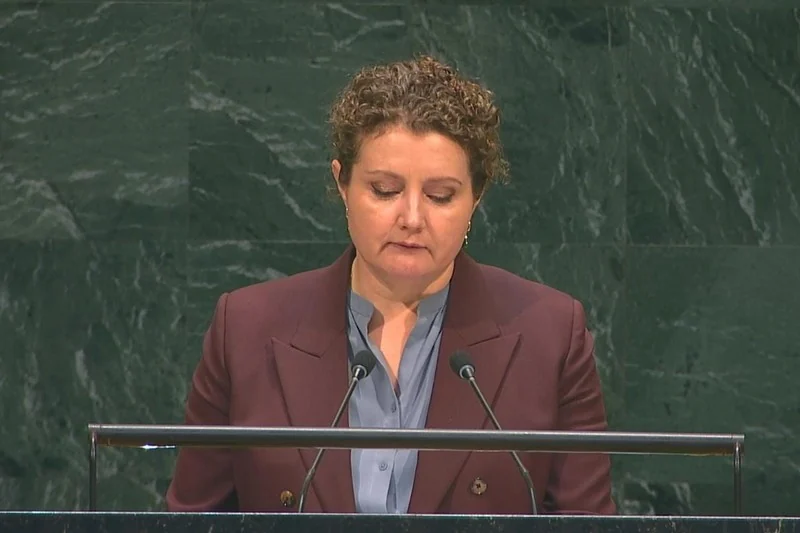
Although the avian influenza virus has existed for nearly two decades and causes deaths in birds, the WHO has recorded just under 900 in the last twenty years, usually caused by direct transmission from a bird. However, “the WHO takes the risk associated with this virus seriously and calls on all countries to be more vigilant,” said Sylvie Briand, in charge of pandemic prevention at the WHO.
Also, scientists have recorded the mutation of the avian influenza virus and the emergence of a new strain of it (2.3.4.4b), which has resulted in massive deaths of wild birds and poultry in more than one country in recent months. But the scientific data available to date do not take into account the effect of this new strain of the virus, dangerous for humans, while a few cases have been recorded to date, all with moderate symptoms.





add your comment
Terms of publication : Not to offend the writer, people, sacred things, or attack religions or the divine self, and refrain from racist incitement and insults.