
Recent research on the effects of soiling on PV (photovoltaic) modules in dry, dusty environments was conducted in Morocco over the course of a year, leading up to the groundbreaking discovery that soiling may be responsible for up to 15% of daily performance losses.
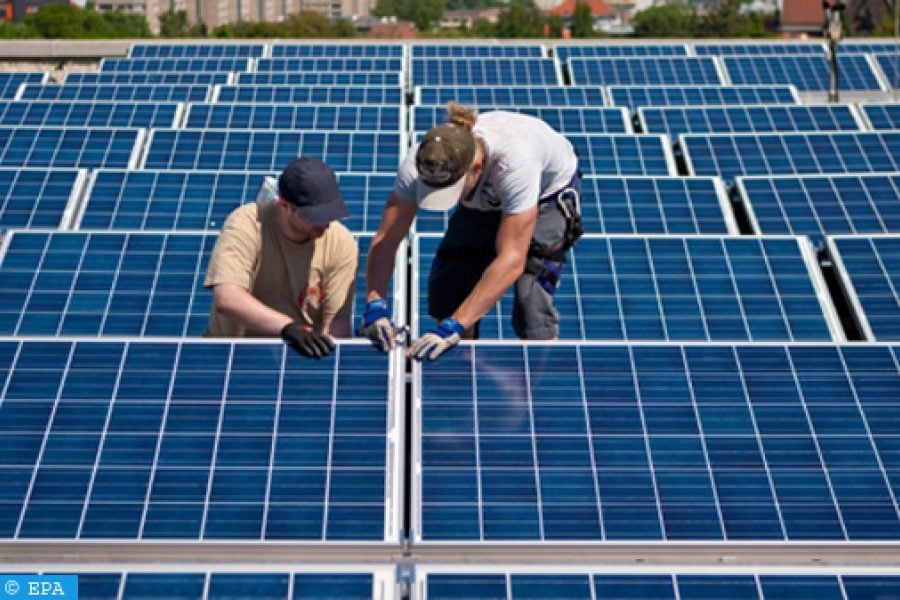
Sun modules made up of several solar cells are used in a photovoltaic system to produce electricity.
PV installations can be floating, wall-mounted, rooftop-mounted, or ground-mounted. In order to track the sun throughout the sky, the station can either be permanent or employ a solar tracker.
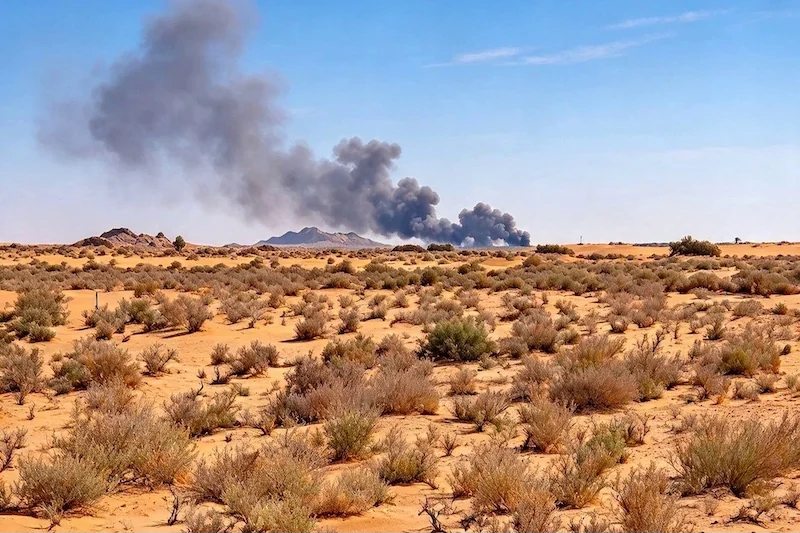
PV Magazine explained how the world’s arid, dusty regions provide considerable potential for solar energy since they frequently have enormous land areas with little practical use and a consistently high level of irradiation.
But these areas also pose a problem because of the severe weather and dust that can seriously impair the effectiveness of a PV system.
To explore soiling on modules in the field, a team of experts led by Mohamed First University in Morocco carried out a one-year study.
At a location in Ben Guerir, Morocco, the crew set up crystalline silicon and cadmium telluride PV modules.
For each technology, there were two modules in the installation, one of which was cleaned every day and the other of which was permitted to gather dust and grime.
The impact of soiling on PV performance has been extensively investigated, and project operators now have a variety of tools at their disposal to clean modules on-site and determine the ideal time to do so based on the trade-off between lost energy yield and the cost of a cleaning cycle.
However, soiling is also known to play a part in some mechanisms that cause more long-term performance loss to PV systems in the field.
These mostly focus on the direct losses produced by dust blocking light from the module, explained PV Magazine.
The Moroccan lead study demonstrated that the worst times of the year for soiling impacts are when it is the driest.
The team discovered that the silicon modules had a 15% daily performance reduction from soiling, whereas the cadmium telluride modules only suffered a 13% loss.
The study was published in Heliyon’s open-access science journal under the title “Experimental study on the impact of soiling on the module’s temperature and performance of two different PV technologies under hot arid climate.”





add your comment
Terms of publication : Not to offend the writer, people, sacred things, or attack religions or the divine self, and refrain from racist incitement and insults.