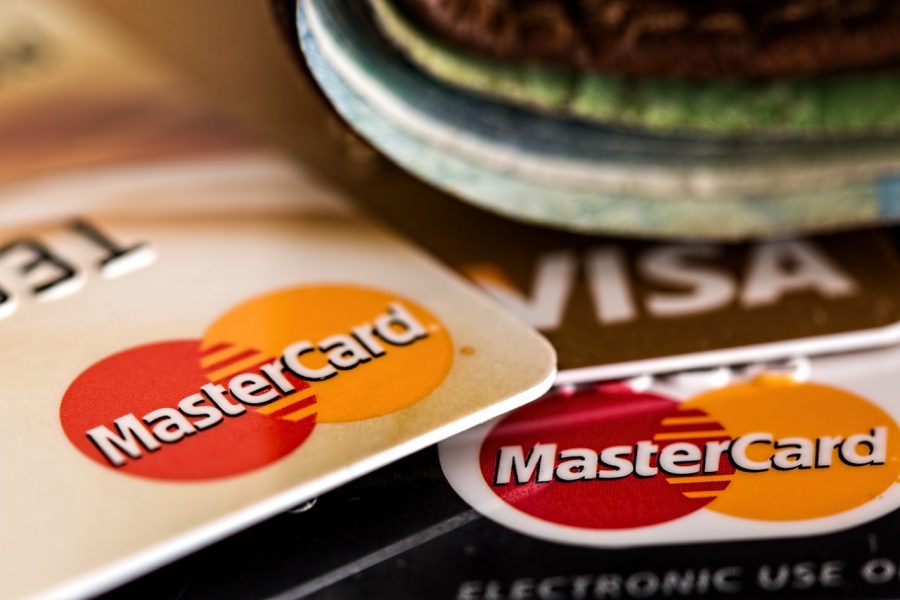
The gap between affluent and vulnerable households in terms of spending on luxury goods in Morocco has widened by a significant 71% between 2019 and 2022, said the Mastercard Economics Institute in its annual forecast for the upcoming year.
Morocco leads many Middle Eastern and African markets in terms of the wide gap in household spending on luxury goods, followed by Madagascar (70%), Jordan (60%), Senegal (55%), Kenya (39%) and Zambia (34%), according to the report’s findings.
The Mastercard Economics Institute noted that some markets will be hit harder than others by inflation and rising interest rates in what it called a new ‘multi-speed’ global economy expected to impact growth and consumer spending behavior.
The report involved four themes that will continue to shape the global economic environment, including rising interest rates and housing, shrinking trade and shopping, prices and preferences, and shocks.
The Institute’s main findings:
Rising interest rates are expected to reduce purchasing power, which is likely to impact on consumer spending patterns overall.
In major developed countries, housing-related spending as a share of assets is expected to shrink by around 4.5% over 2023, to lower levels than before the pandemic.
In South Africa, the share of housing-related expenditure is reduced by 1% in 2022 compared to 2019.
In the UAE and Saudi Arabia, housing-related expenditure has remained at the same levels in 2022 compared to 2019 (5.90% for the UAE and 10.9% for Saudi Arabia).
Overall, spending is expected to remain resilient in the face of inflation, with consumers tending to choose brands more suited to their pockets and looking for the best value for money.
Globally, the Fast-moving consumer goods (FMCG) trade has seen 31% more visits to shops this year than in 2019, however, this increase is thought to be mainly due to a drive to reduce food waste, while average spending per visit is down by around 9%, according to the same source.
The report entitled “Economic Outlook 2023” draws on a wealth of public and private databases, as well as models to estimate the evolution of economic activity in Eastern Europe, the Middle East, and Africa (EEMEA) region.




add your comment
Terms of publication : Not to offend the writer, people, sacred things, or attack religions or the divine self, and refrain from racist incitement and insults.