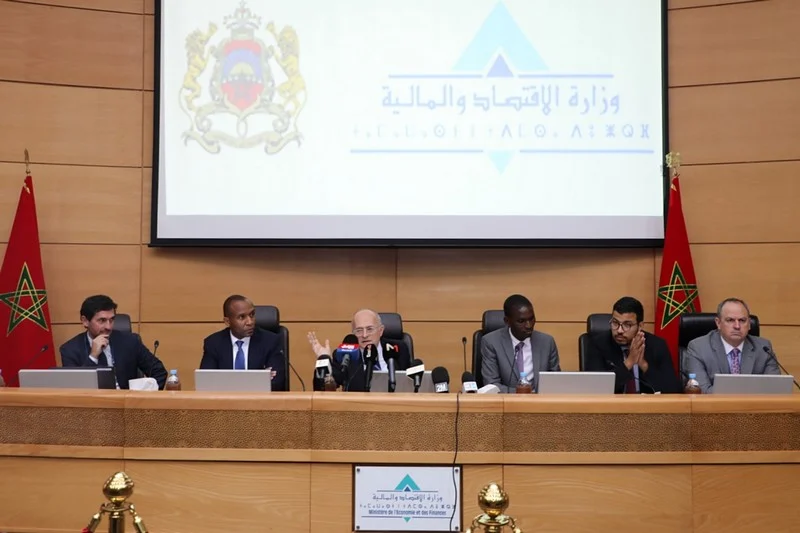
The International Monetary Fund mission stated that Morocco will achieve economic growth of about 1.25% this year, compared to the 0.8% expected last October.
The head of the International Monetary Fund’s mission to Morocco, Roberto Cardarelli said at the press conference Friday held in Rabat that the expected growth next year will be around 4%, with inflation declining to less than 2%, driven by the expected drop in raw materials prices.
At the end of its consultations with the Moroccan authorities, the head of the mission stressed that “global shocks and drought have slowed economic growth this year, but it is expected to recover in the following year, even in the midst of ongoing international uncertainty.”
IMF officials stated that the government’s 2023 budget proposal tries to balance providing fiscal margins with mitigating the social and economic impact of recent shocks and financing structural reforms.
Given the ongoing uncertainty, the Fund emphasized the importance of speeding up the implementation of structural reforms, especially those aimed at expanding social protection for all Moroccans, stimulating private sector investment, and addressing climate change challenges.
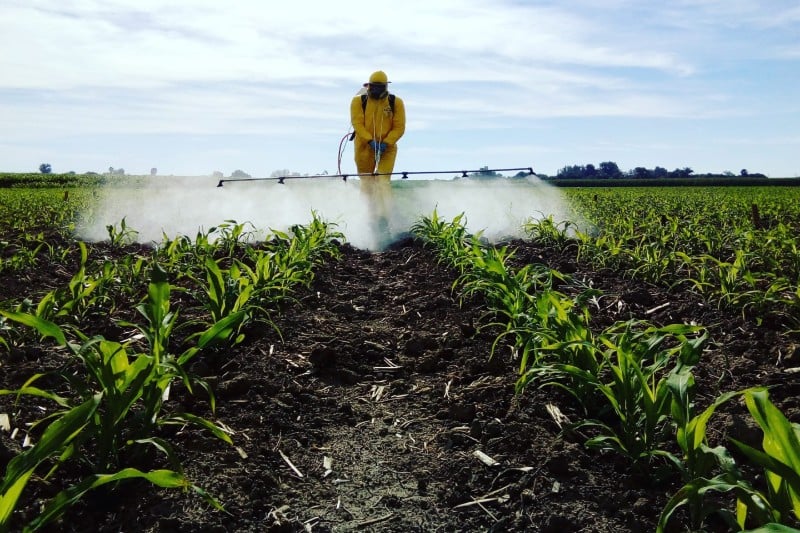
“Morocco’s agricultural production has been negatively impacted by the drought, and the shocks caused by Russia’s offensive in Ukraine, which have increased inflation and reduced purchasing power,” said Cardarelli.
On the other hand, he noted that the recovery of the tourism sector as well as the resilience of the Moroccan community abroad’s transactions, and exports helped to mitigate these shocks.
“The amendments included in the 2023 finance draft law regarding corporate tax and wages will lead to a reduction in the tax burden on small and medium-sized businesses and wage earners, while increasing the gradation in the tax system and expanding its base,” according to the IMF official.
The mission’s head further stated that this measure is good in addition to the generalization of social protection and the adoption of the unified social registry in order to accurately target vulnerable groups in need of assistance, which will allow financial margins to finance the government’s reforms in the fields of health and education.





add your comment
Terms of publication : Not to offend the writer, people, sacred things, or attack religions or the divine self, and refrain from racist incitement and insults.