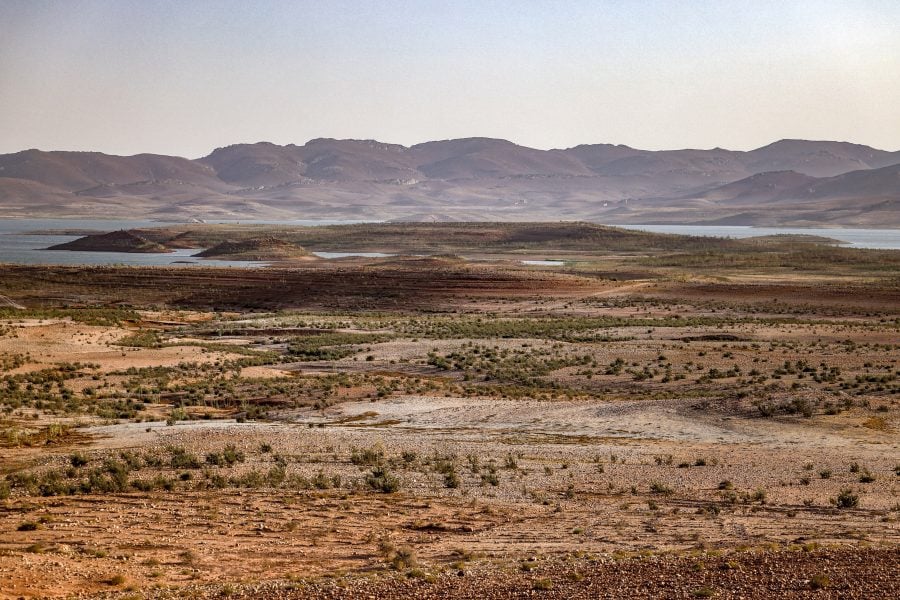
The Middle East is heating nearly twice the global average, shows a recent report on climate change by the Institute for Chemistry and the Cyprus Institute and Atmosphere Research Center, and the Max Planck Institute for Chemistry published in the journal Reviews of Geophysics.
The study includes regions of the Eastern Mediterranean and the Middle East from Greece to Egypt, like Lebanon, Syria, Iraq, the Gulf state of Bahrain, Kuwait, the United Arab Emirates, and finally Iran.
These countries not only suffer from climate problems, but they are also major contributors to the gravity of the issue.
The scientist explained that due to geographically specific climate, the region is warming more rapidly than the global norm, expecting that this warming ‘trend’ will continue to intensify.
The study came to complement previous reports to assess the regional manifestations of global warming in the middle east and Europe and Africa.
“Such considerable changes in environmental and climate conditions could imply severe impacts on a variety of sectors and socio-economic activities including the management of water resources and agriculture, human health, energy demand and production, transportation, ecosystems, biodiversity, forest fires and many more,” declared the scientists.
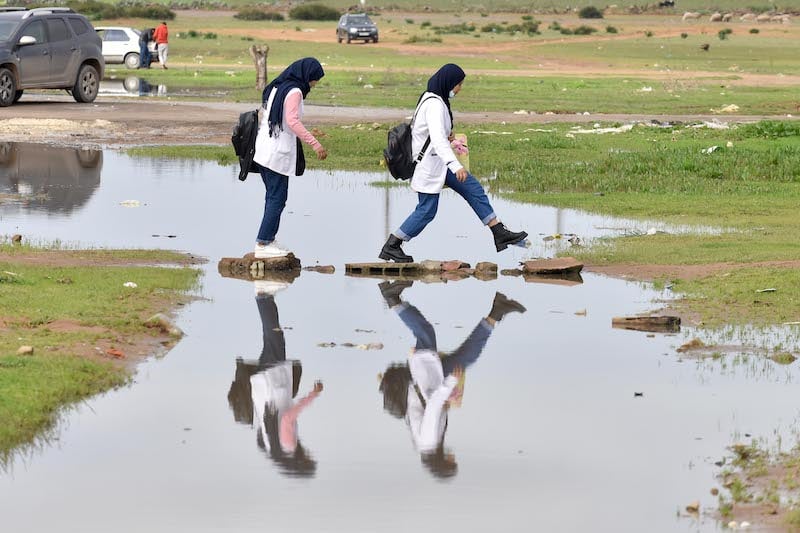
These impacts can be exasperated by ulterior factors which will result in severe social repercussions such as lower classes suffering more from the extreme heat and growing water shortage.
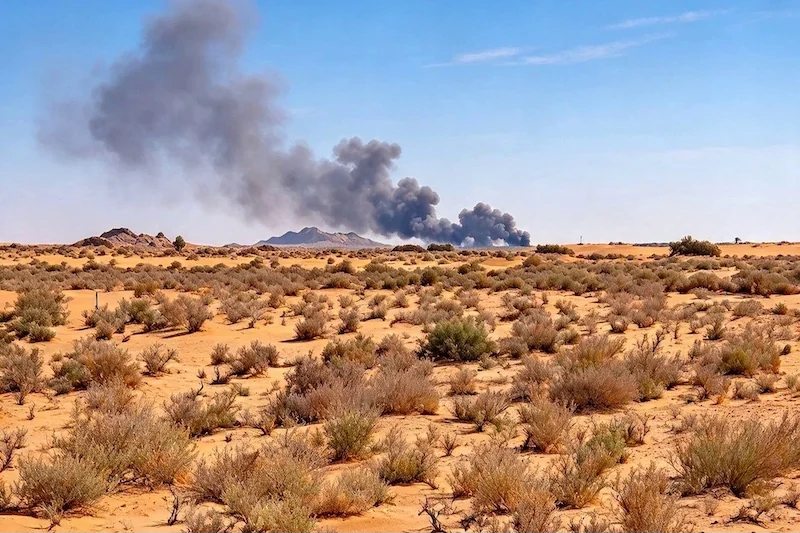
The Middle East counts as a major contributor to global dust emissions which sadly affects the regional climate, human health, and terrestrial and marine ecosystems.
The studies conducted affirm that the frequency and intensity of high-impact extreme events such as severe heatwaves have significantly increased which is why summer temperatures have warmed at a faster pace than the mean annual warming, resulting in record-breaking heat waves.
“Precipitation will likely decrease, particularly in the Mediterranean,” says the report and explains that it is because of changes in the hydrological cycle.
These changes are threatening human security and are altering the quality of life in those regions. This might move migration flows by pushing more people towards relocating to areas with a different atmosphere.
“The projected climate changes will likely further increase regional energy demand and may lead to reduced crop yields. Such impacts will increase the existing social contrasts between populations in the region, potentially increasing food insecurity, and prices and contributing to malnutrition. Such changes can drive political tensions and instabilities that may ultimately lead to conflicts and humanitarian crises,” explains the report.
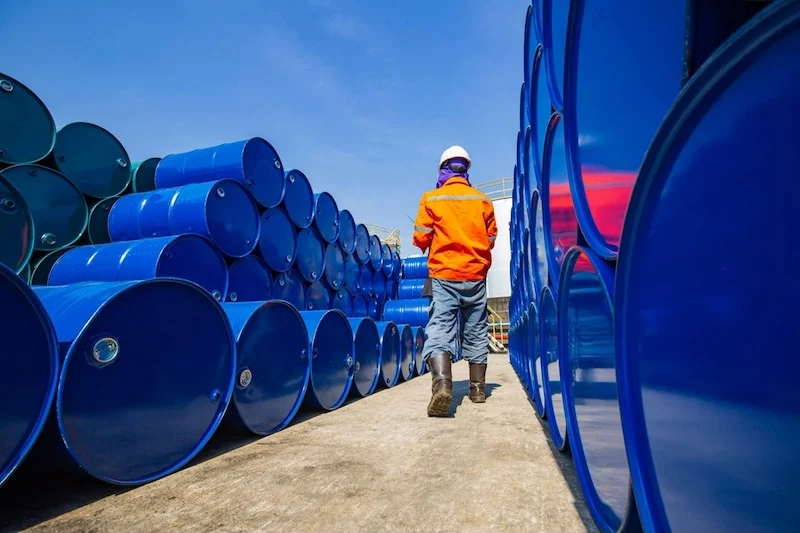
The scientists added that the magnitude of changes strongly depends on the trajectory of greenhouse gas emissions and their concentrations, suggesting that to adapt, immediate decarbonization actions should be implemented to alleviate the regional impacts of climate change, in hopes to avoid the potentially devastating repercussions.



add your comment
Terms of publication : Not to offend the writer, people, sacred things, or attack religions or the divine self, and refrain from racist incitement and insults.