
The new Morocco-Spain cooperation led to a noticeable decrease of irregular migration, which dropped to 10% compared to last year.
Following the end of the diplomatic crisis between Rabat and Madrid due to Spain’s change of position on the Sahara matter, both countries agreed to establish urgent partnerships in several fields including the security aspect in the borders with the Canary Islands.
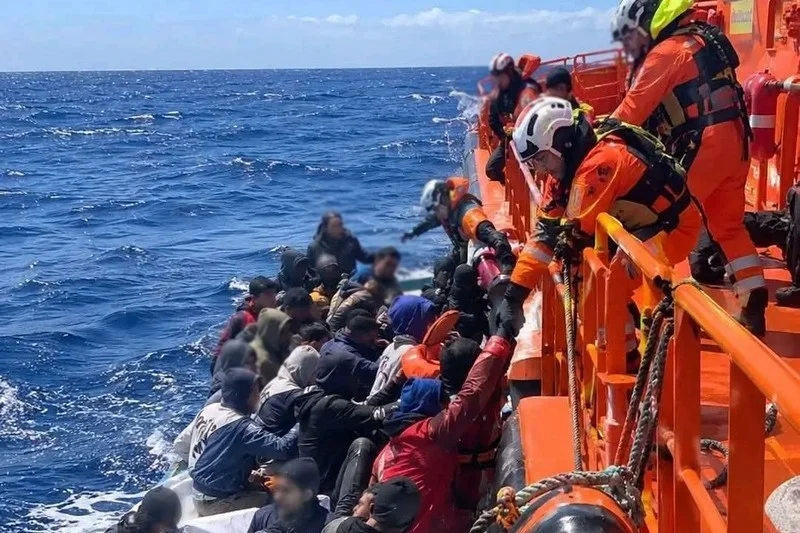
The islands witnessed an entry of 10,637 irregular migrants last month, almost 1,400 more than last year’s number, a trend that differs from the general balance that shows a reduction of 10% and only few peaks of arrivals.
However, this flow is very different from the ones recorded in the same period between 2021 and 2020, when the spike in arrivals in the Canary Islands increased by 115%, according to the balance sheets of the Ministry of the Interior. The islands’ population went from 4,000 people to more than 9,200 and continued to rise.
Although it will take some time to confirm the trend, the latest figures reflect a slight decrease in the number of ships arriving in port despite a slight increase in numbers, indicating that the usual departure times for this time of year have decreased.
Most arrivals are concentrated in the first three months of the year and have moderated since the end of March, according to expert sources.
The interior ministry did not provide specific figures on the origin of those rescued, but official sources say the arrival of Moroccans, by far the majority, especially during the pandemic, has decreased significantly.
Most migrants thrown in the Atlantic are from sub-Saharan countries, which have been retained from previous years’ statistics. The number of women remained at around 30%, one of the most significant changes noticed since last year.
Most ships are arriving in Fuerteventura and Lanzarote, noted the experts, while those rescued were near Gran Canaria, which is their main target so far.
The rescue operations followed the increased police inspections on the Moroccan Sahara coast. The decrease in the number of departures from Dakhla and other south Moroccan cities were also significant, according to the same source.
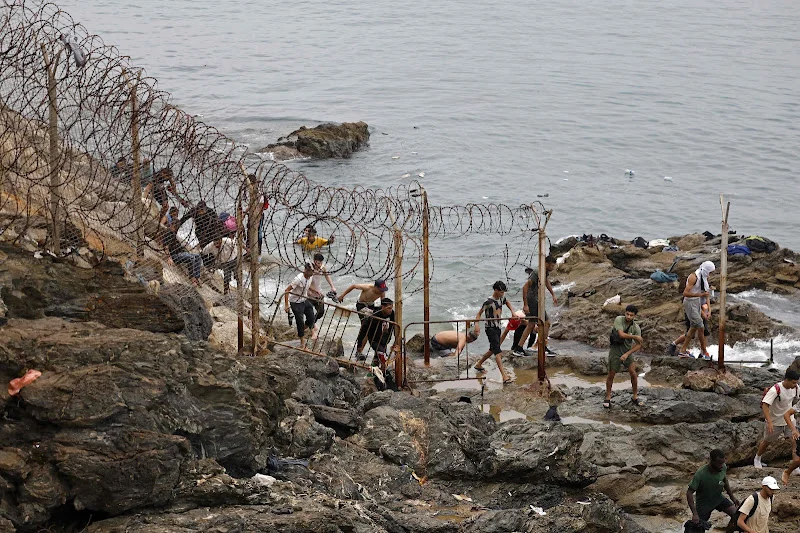
It was at the beginning of April when the President of the Government, Pedro Sanchez, visited Morocco to seal the reconciliation with Mohamed VI after the border crisis in Ceuta in May 2021. Since then the flow seems to have reduced and it remains to be seen whether this trend will continue after the European Union announced that it will increase the aid package to Morocco for migration management by some 500 million euros for the period 2021-2027.
Flows appear to have reduced since Spanish Prime Minister, Pedro Sanchez visited Morocco to promote reconciliation with King Mohammed VI right after the Ceuta border crisis in May 2021. The European Union announced it would add 500 million euros to Morocco’s aid package to manage migration over the 2021-2027 period to reduce the flows even more.





add your comment
Terms of publication : Not to offend the writer, people, sacred things, or attack religions or the divine self, and refrain from racist incitement and insults.