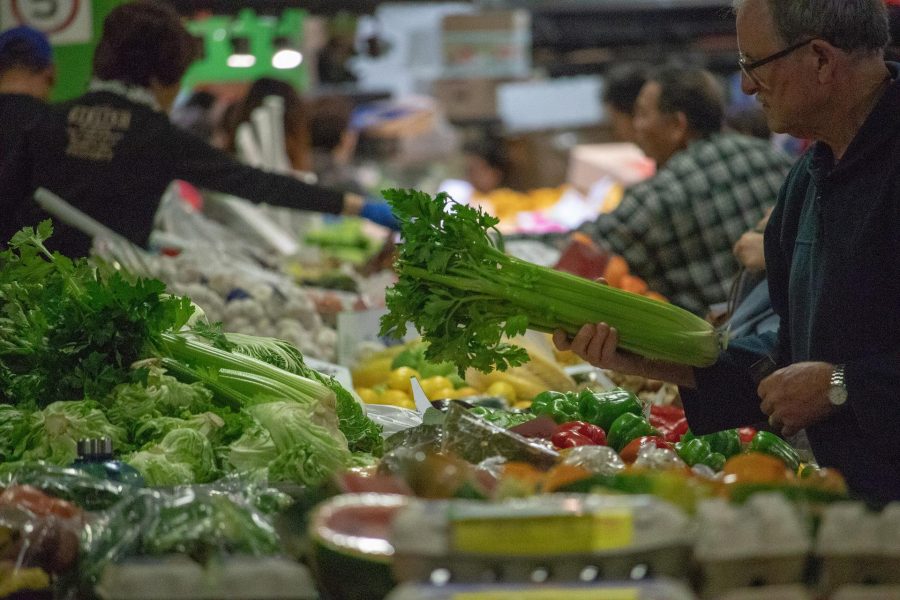
The barometer for world food commodity prices declined slightly in June for the third consecutive month, the Food and Agriculture Organization of the United Nations (FAO) reported today.
The FAO Food Price Index averaged 154.2 points in June 2022, down 2.3 percent from May. The Index, which tracks monthly changes in the international prices of a basket of commonly-traded food commodities, remained, however, 23.1 percent higher than in June 2021.
The drop in June reflected declines in the international prices of vegetable oils, cereals and sugar, while dairy and meat prices increased.
“Although the FAO Food Price Index dropped in June for the third consecutive month, it remained close to the all-time high of March this year. The factors that drove global prices high in the first place are still at play, especially strong global demand, adverse weather in some major countries, high production and transportation costs, and supply chain disruptions due to COVID-19, compounded by the uncertainties stemming from the ongoing war in Ukraine,” said Máximo Torero Cullen, FAO Chief Economist.
FAO’s forecast for global cereal production in 2022 was raised by 7 million tonnes in July from the previous month and is now pegged at 2 792 million tonnes, according to the new Cereal Supply and Demand Brief, also released today. This is still 0.6 percent short of the world output in 2021.
The month-on-month increase predominantly rests on a 6.4-million-tonne upward revision made to the coarse grain production forecast, with the world output seen reaching 1 501 million tonnes in 2022, only 0.5 percent below the 2021 outturn.
The forecast for world cereal utilization in 2022/23 has also been lifted, up 9.2 million tonnes to 2 797 million tonnes, but is still 1.7 million tonnes (0.1 percent) below the 2021/22 level, mostly reflecting expectations of lower feed use.
At 854 million tonnes, FAO’s forecast of world cereal stocks at the close of seasons in 2023 is up 7.6 million tonnes from the previous month but still points to a year-on-year contraction of 0.6 percent (5.0 million tonnes). At this level, the global cereal stock-to-use ratio would fall from 30.7 percent in 2021/22 to 29.8 percent in 2022/23.









add your comment
Terms of publication : Not to offend the writer, people, sacred things, or attack religions or the divine self, and refrain from racist incitement and insults.