
Tunisia published its new constitution in the Official Gazette this Thursday evening, after it was signed by President Kais Said in preparation for submitting it to a popular referendum on July 25.
The constitution consecrated the powers allocated to the head of state, placing him at the head of the executive authority.
The President is to appoint the head of government and its members on the proposal of the head of government and has the power to dismiss it.
He is the one who determines the general policies of the state and directions and is also entitled to run for a second term.
The constitution allocated a National Council for regions and provinces as a second chamber beside Parliament, and made the deputy’s agency in Parliament subject to withdrawal according to certain conditions, preventing it from moving from one parliamentary bloc to another.
The constitution grants broad powers to the president, such as dissolving Parliament and the Council of Regions and Provinces according to the law, appointing senior state officials on the proposal of the Prime Minister, and naming judges.
On the other hand, the constitution transformed the judiciary and legislation from two powers into two functions.
Said had suspended the work of the 2014 constitution after announcing exceptional measures in the country on July 25, 2021, freezing and then dissolving Parliament, in addition to dissolving constitutional bodies, the Supreme Judicial Council and replacing it with a temporary council, and his dismissal of dozens of judges.
Said justified his decisions by saying these measures are saving the state from “imminent danger” and combating corruption and chaos that have prevailed in state institutions since the start of the political transition in 2011 and the purification of the judiciary.
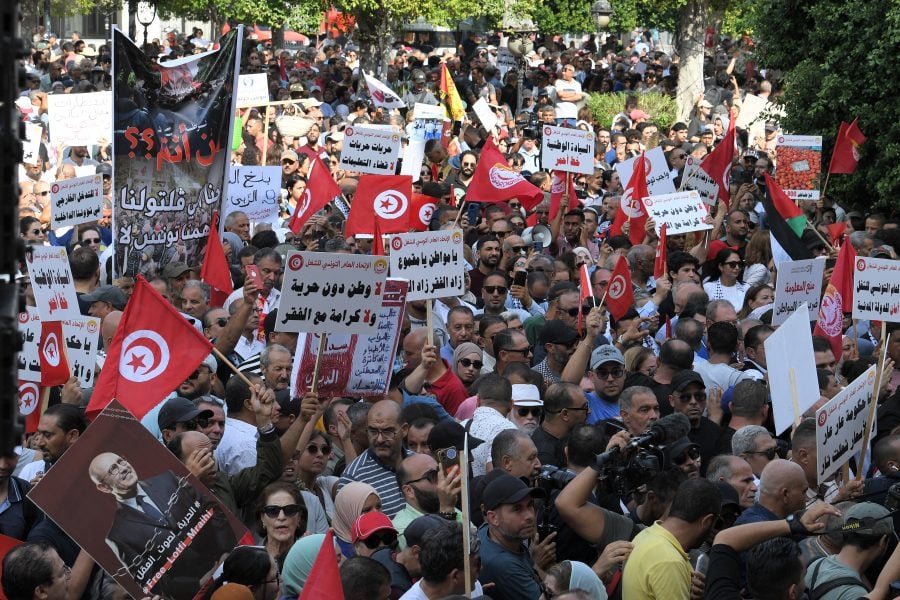
However, the opposition accuses the Tunisian president of overturning the constitution and planning to strengthen its authority and dominate the government.
Most of the opposition had announced their boycott of the referendum.
The constitution contains 142 chapters divided into ten chapters, including a chapter on transitional provisions.
The constitution will enter into force when the final results of the referendum are published, while work in the legislative field will continue with exceptional measures until the parliamentary elections scheduled for December 17 next.




add your comment
Terms of publication : Not to offend the writer, people, sacred things, or attack religions or the divine self, and refrain from racist incitement and insults.