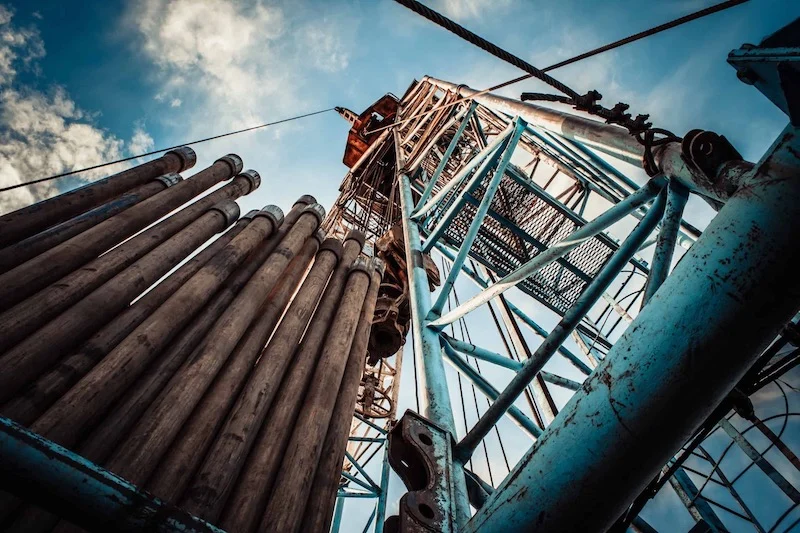
The Middle East and North Africa (MENA) region’s economies are expected to grow by 5.2% in 2022, the fastest rate since 2016, mostly attributable to the current high oil prices.
In its latest forecasting report, the World Bank found that, despite the “heightened uncertainty surrounding this forecast due to the war in Ukraine and ongoing threats from COVID-19 variants,” oil producers will benefit from higher oil prices and vaccination rates, “as fragile countries lag.”
Titled “Reality Check: Forecasting Growth in the Middle East and North Africa in Times of Uncertainty,” the World Bank’s output forecasts an uneven recovery, as regional averages overshadow broad differences.
Tighter global monetary policy, ongoing supply chain disruptions, the unpredictability of the course of the pandemic, and food price hikes raise inflation risks for the entire region, says the reports.
Despite a projected growth rate of 5.2% GDP, the per capita share “will barely exceed pre-pandemic levels due to a generally lackluster performance in 2020-2021,” the report said.
In Gulf Cooperation Council countries, positively affected by the increase in oil prices, GDP per capita is projected to grow by 4.5% in 2022, but will not recover to pre-pandemic levels until 2023.
In contrast, in 2022, GDP per capita of middle-income oil exporters is projected to grow by 3.0%, and by 2.4% for the region’s oil importers, both barely lifting living standards above pre-pandemic levels.
Overall, if these forecasts materialize, 11 out of 17 economies in MENA may not recover to pre-pandemic levels by end of 2022.
Adding pandemic-related uncertainty, only a third of the middle-income MENA countries have higher vaccination rates than their income peers.
“As of April 4, 2022, Gulf countries, excluding Oman which has a 57.8% vaccination rate, have an average rate of 75.7%, which is far better than their income peers,” specifies the publication.
Countries like Algeria and Iraq have vaccinated around 13 to 17% of their populations and Yemen and Syria have vaccination rates in the single digits, leaving them more vulnerable to the economic and health consequences of COVID-19 in the near future.
In addition, political unrest and the unavailability of data remains yet another challenge in the face of regional economic prosperity. Conflict economies such as Libya and Yemen have outdated GDP data, last available for 2014 and 2017 respectively.
Only 10 out of the 19 MENA economies covered by the World Bank Group have monthly or quarterly information on industrial production.
For the remaining nine, information is not publicly available, while none publish monthly unemployment data. The report therefore provides guidance about how to improve national data systems for improved forecasts.
The authors of the report found that growth forecasts in the MENA region over the past decade were often inaccurate and overly optimistic when compared to those of other regions.
This forecast’s uncertainty is due to “the availability and accessibility of quality and timely information,” point the authors.
“In the current context of global and regional uncertainty, getting the most accurate forecasts possible becomes even more important,” said Roberta Gatti, World Bank Chief Economist for the MENA region, adding that “only with better and more transparent data can forecasts, and with them, planning and policy formulation, improve.”





add your comment
Terms of publication : Not to offend the writer, people, sacred things, or attack religions or the divine self, and refrain from racist incitement and insults.