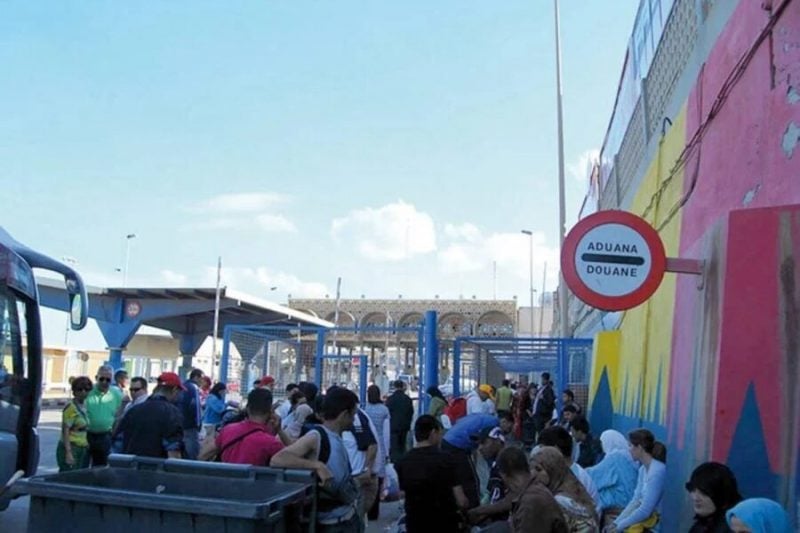
The number of asylum seekers in Ceuta and Melilla has reached 877 in 2021, according to a recent report issued today by the Nador section, of the Moroccan Association for Human Rights (AMDH).
Most of the asylum applications were mainly from Morocco, Egypt, Tunisia, Algeria, Sudan, Mali Guinea Conakry, Ivory Coast, and Burkina Faso.
AMDH raised concerns about inadequate procedures for processing asylum applications: “the lack of adequate legal assistance and interpreters, substandard detention conditions, and insufficient protection against refoulement,” said the report.
“Arrests and repressive apparatus have almost doubled compared to 2020,” added the report, noting that trials involving irregular migrants “lack fair trials’ conditions during the investigation, in terms of the availability of translation during all stages, the right to defense and to be heard, as well as procedural requirements relating to a detention-review measure.”
“Police reports were read in French, while in many cases, migrants only speak English or local languages,” it added.
The report further noted that the diplomatic crisis between Morocco and Spain in 2021 has intensified the wave of arrests and ‘refoulments’ of irregular Sub-Saharan migrants. “These refoulements concerned Moroccans as well as sub-Saharans, Yemenis and Sudanese, while asylum-seekers and immigrants are entitled to full respect for their individual human rights, according to article 23 of the Spanish law,” the report highlighted.
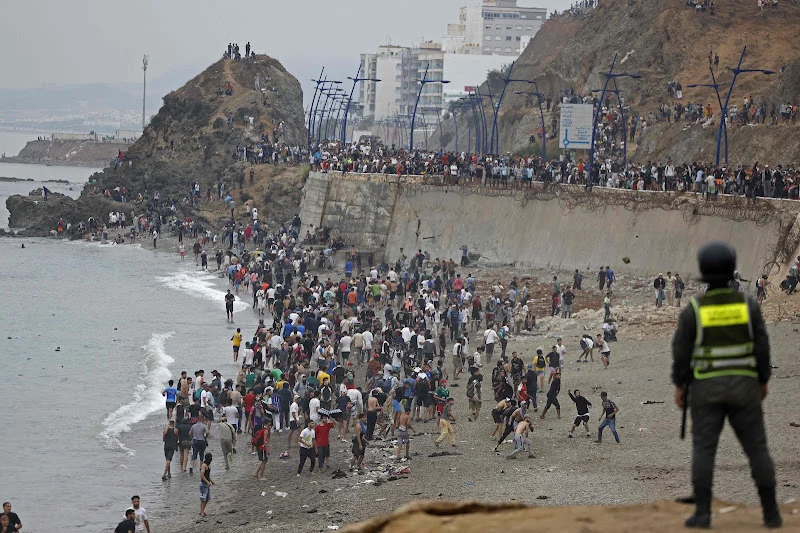
AMDH’s report sheds light on the increasing Moroccan youth migration, as more than 1000 participated in irregular migration attempts.
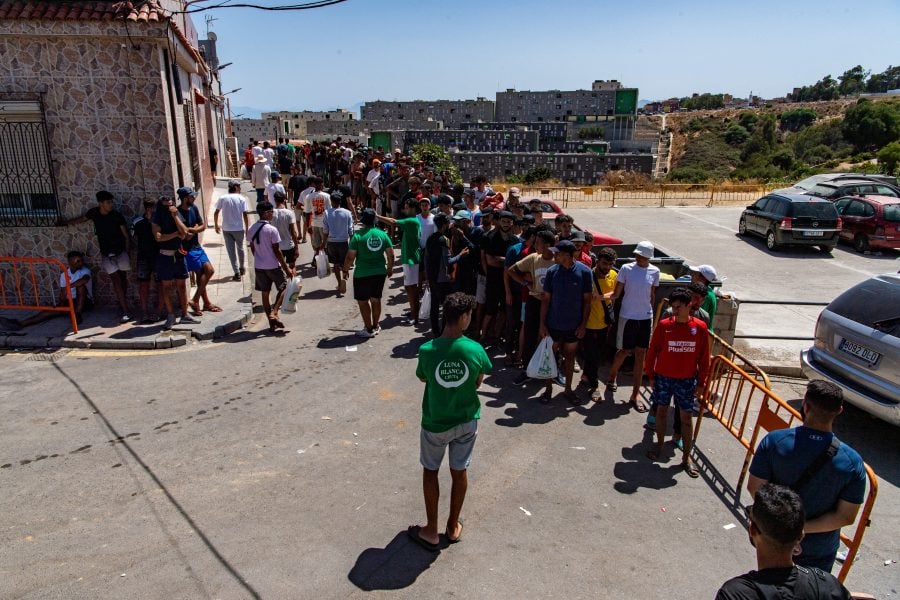
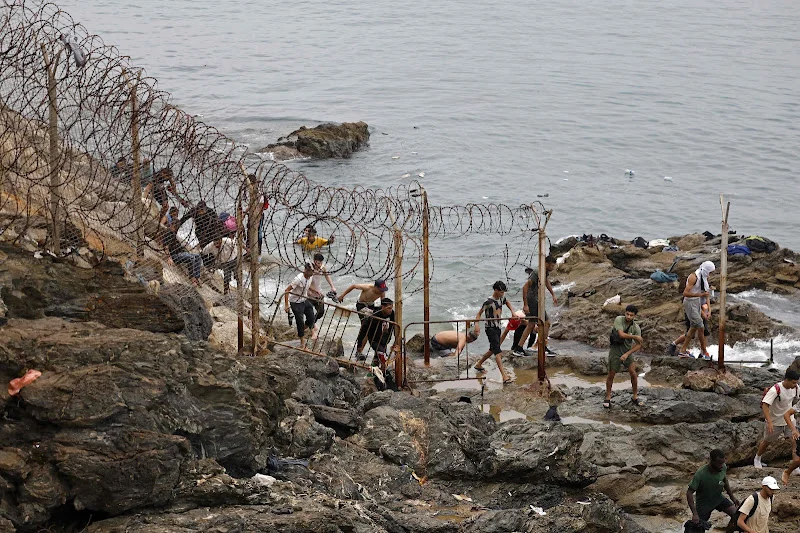
In all of 2021, 1,092 migrants managed to enter Melilla, a 23% decrease from 2020, according to figures from the Spanish Interior Ministry.
Several international human rights organizations have expressed their concerns about the Spanish and Moroccan authorities’ treatment of people attempting to cross the Spanish border clandestinely at Ceuta and Melilla.
Morocco has been receiving hundreds of millions of euros each year from the European Commission to help it address irregular migrants on its soil.
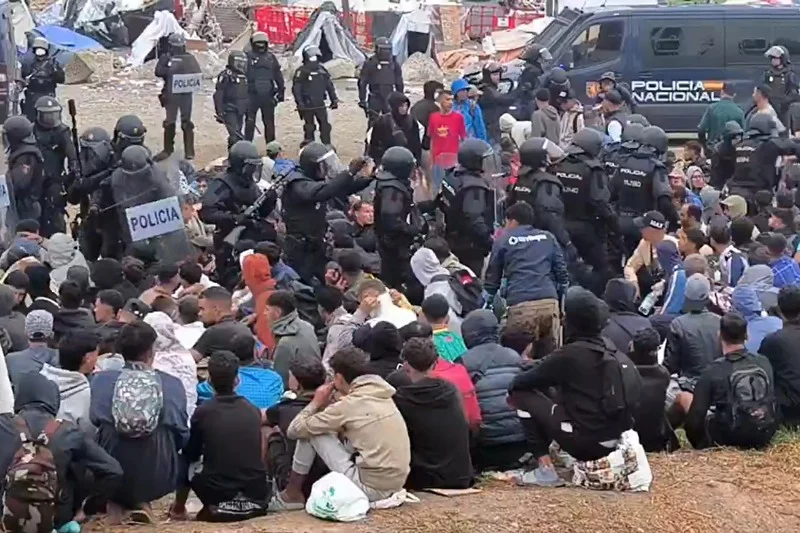
Earlier this month, AMDH criticized in a press release allegations of “excessive use of force by Spanish Civil Guards” when confronting migrants attempting to reach Spain, and argued that these are “one of the consequences of irrelevant European and Moroccan migration policies.”




add your comment
Terms of publication : Not to offend the writer, people, sacred things, or attack religions or the divine self, and refrain from racist incitement and insults.