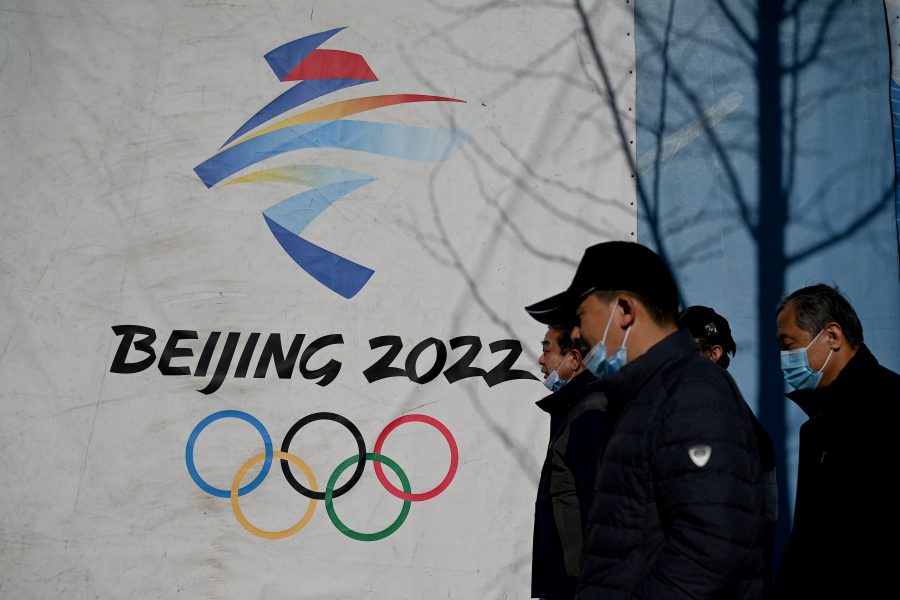
Chinese sports authorities have made significant efforts to strengthen anti-doping measures in recent months in order to ensure a “clean” competition among athletes at the Winter Olympics, which take place in Beijing from February 4 to 20.
China’s Anti-Doping Agency (CHINADA), which adheres to the principle of “seriously banning, strictly examining, and severely punishing” doping among athletes, and aims to maintain the integrity and dignity of sports, has enacted a “zero-tolerance” policy for four years.
In total, 7,000 anti-doping tests have been carried out since 2018, covering all the selected athletes for the Olympic preparation phase in 2022. The number represents a substantial increase from the 1,025 tests performed before the 2018 Winter Olympics in Pyeongchang, South Korea.
As the preparatory competitions for the 2022 Olympics in China and abroad are underway, the comprehensive anti-doping screening program has been intensified, a task which is further complicated by the COVID-19 pandemic, which has shown no sign of abating.
“Our screening and monitoring program for the Beijing Olympics has been the longest, toughest, and most vigilant in the history of our country and the world,” according to Chen Zhiyu, the director of CHINADA.
CHINADA officials say that the results of the operations have been “excellent,” as, in the last 25 months, no Chinese delegations have had a positive doping test result.




add your comment
Terms of publication : Not to offend the writer, people, sacred things, or attack religions or the divine self, and refrain from racist incitement and insults.