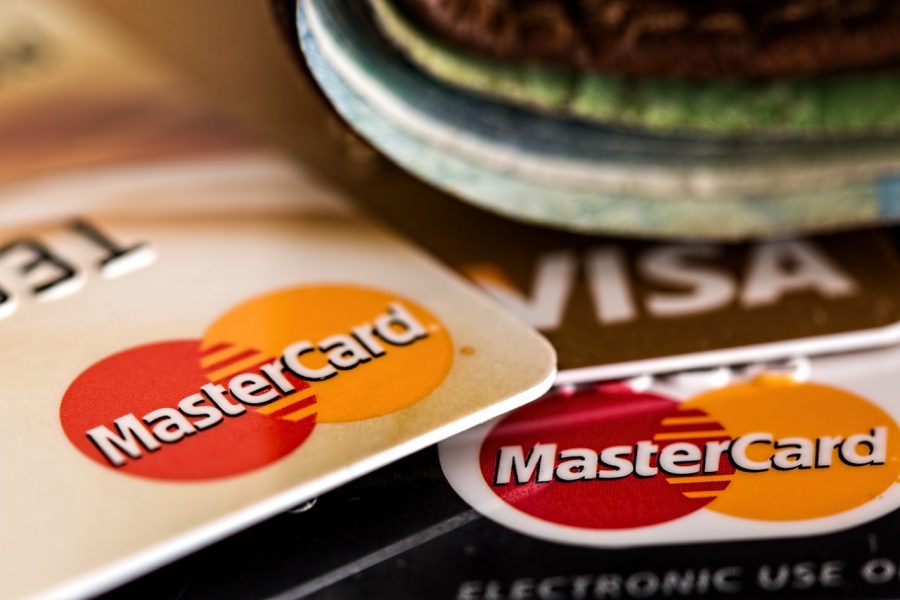
Moroccans are adopting digital payments at an accelerating year, making 45% more transactions in 2021, than they did in 2020, according to a report by the Interbank Electronic Banking Center.
Online performance grew by 45 percent in terms of the number of transactions, and 28.1 percent in terms of the total amount, said the Banking Center.
With internet access rapidly increasing in the North African country, the number of digital buyers keeps climbing every year. Last year, the Center recorded about 20 million transactions, with a value of nearly 7.7 billion dirhams.
Monetary activity, in general, recorded a significant recovery in 2021, as the total volume of activity increased by about 17.8 percent in terms of operations, and 15.4 percent in terms of the total amount paid.
The monetary activity includes several operations, including withdrawals from automated teller machines (ATMs), payments with merchants, and e-commerce. In total, this activity achieved 442.2 million transactions with a volume of 317 billion dirhams.
The performance in supermarkets took the lion’s share at 26 percent, followed by clothing at 11.3 percent, stations at 77 percent, furniture, and household appliances, and restaurants at 5.8 percent.
Foreign bank cards were mainly used in hotels by 29.8 percent, supermarkets by 15.2 percent, and restaurants by 8.8 percent.
The number of bank cards in Morocco reached about 17.9 million at the end of the current year, of which about 10.9 million are contactless cards.
In a previous parliamentary session, the Minister of Trade said that since the outbreak of the pandemic in the country, e-commerce has witnessed remarkable growth, and demand increased among Moroccan consumers, as its volume in 2020 amounted to about MAD 6 billion, increasing by 25% compared to 2019.
He said e-commerce contributes to creating job opportunities in activities related to communications, technologies, and logistics, and it also leads to increasing the number of companies’ transactions thanks to the use of the Internet as well as its openness to national and international markets.
The government official said Morocco has a legal framework for regulating e-commerce through several laws, including the Code of Commerce, Consumer Protection, Electronic Performance, and Cyber Security, adding “these laws contributed to enhancing confidence in e-commerce as well as protecting against fraud.”



add your comment
Terms of publication : Not to offend the writer, people, sacred things, or attack religions or the divine self, and refrain from racist incitement and insults.