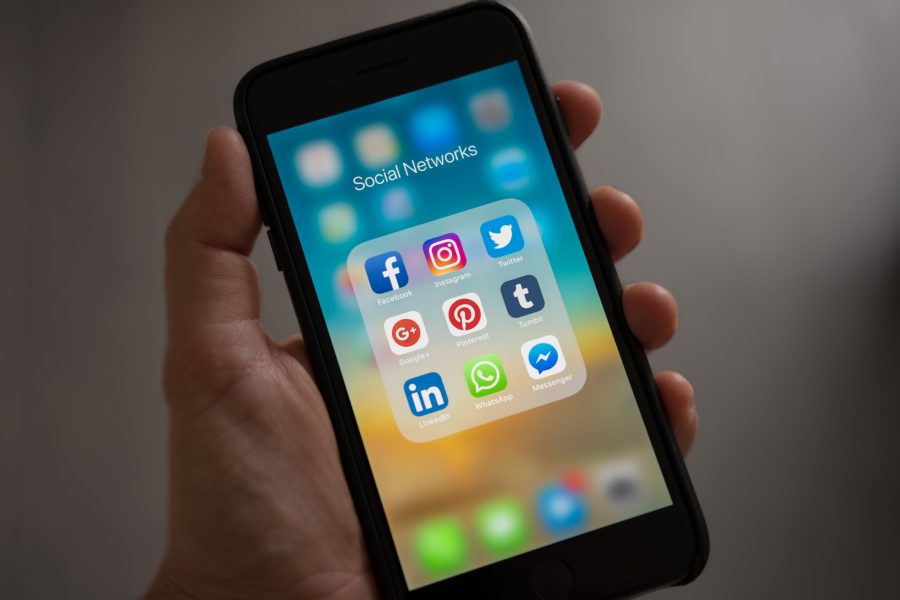
The National Tax Administration has started to look into the income of social media influencers, to frame the supposed million-dollar profession as it gains momentum among Moroccans.
By 2022, the Moroccan Parliament has approved a new provision to increase the national tax base, as part of the government’s new finance bill.
Additional brackets are planned to ensure fairness and fight tax fraud, which entails adding non-texed professions into the national fiscal row.
With the recent emergence of online jobs and remote income sources in Morocco, the government is reportedly studying the possibility of taxing influencers, which have been multiplying across the national social media scene.
The influencer market in Morocco is booming, with the biggest professionals charging upward of MAD 10,000 per sponsored post.
Despite disposing of ample income, many influencers fail to declare their revenue, as their legal status remains highly dependent on their own volition.
MK, a Moroccan influencer with over 100,000 followers on Instagram, told Hespress EN that “many colleagues pay basic taxes like all other citizens for houses, cars and other properties they own,” but MK added that “unless the influencer chose to apply for an auto-entrepreneurial status, they pay no taxes for their advertisement income.”
The Moroccan government introduced the auto-entrepreneur status to help freelancers and self-employed Moroccans gain benefits often denied to informal professionals. The status allowed many freelancers to access loans, social security, and gave them the ability to issue receipts to “formalize” their transactions.
The status is optional, as freelancers need to apply if eligible. Eligibility for the status is conditioned by a plateaued, which some influencers exceed.
Sources from advertising agencies closely working with influencers told Hespress EN that “most agencies today favor influencers with a legal auto-entrepreneur status, since it’s easier for accounting, and makes the deals more legal and formal.”
But many other agencies and brands often succumb to informality when choosing to work with certain influencers, says the same source.
Following the “influencers’ professional need to accentuate the image of a lavish life on social media,” the professionals sparked the interest of the General Tax Directorate (DGI) back in 2021.
Moroccan tax authorities announced that they were investigating the massive tax evasion of influencers and other online entrepreneurs.
The DGI deployed a team of tax auditors to investigate the incomes of undeclared and informal influencers, while also looking at the number of followers and subscribers they have on social media platforms such as Facebook, Instagram, and YouTube.
By April 2021, the DGI had given the influencers time to formalize their financial situation, requiring them to indicate the number of transactions they have made with customers in Morocco or abroad.
Reports claim that many influencers have opened accounts in tax havens to evade paying taxes, with the help of international specialized consulting firms and agencies.




add your comment
Terms of publication : Not to offend the writer, people, sacred things, or attack religions or the divine self, and refrain from racist incitement and insults.