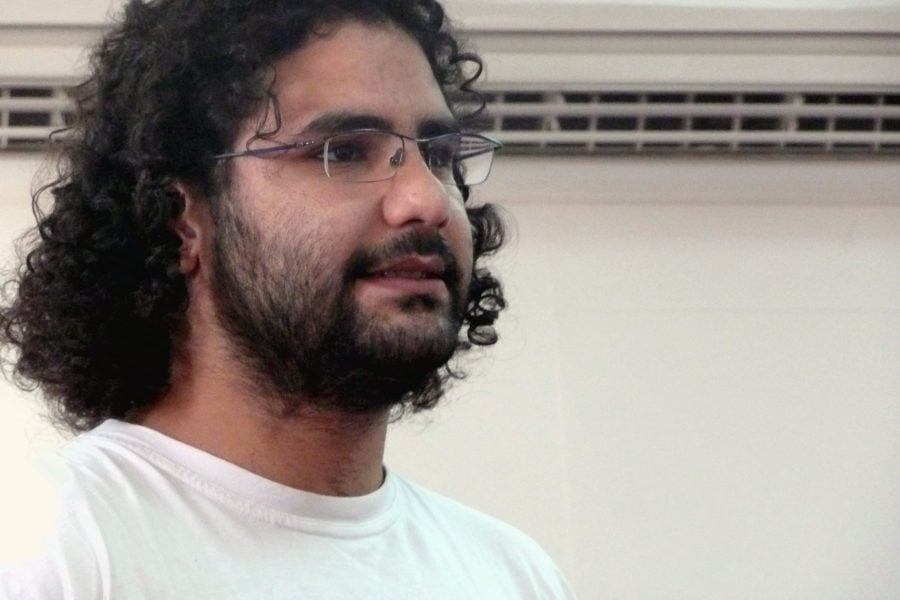
A court in Cairo, Egypt, sentenced Egyptian activist Alaa Abdel Fattah to five years in prison on Monday, December 20, on charges of spreading false information, according to his sister’s Twitter post.
Egyptian Human rights lawyer, Mohammed al-Baqer, who represented Alaa in the past, and blogger Mohammed “Oxygen” Ibrahim were also sentenced to four years in prison on the same charge.
“Alaa was sentenced to five years, Baqer four years and Mohamed Oxygen four years,” tweeted Mona Seif, Abdel Fattah’s sister.
A judicial source, speaking on condition of anonymity, confirmed the verdict and sentencing to the AFP news agency, after the verdict was passed at the State Security Misdemeanors Court in Cairo.
The three activists have been detained since September 2019, when the authorities cracked down on rare anti-government protests.
Abdel Fattah, a 40 years old software developer, blogger, and leading activist in the January 25 revolution that overthrew former President Hosni Mubarak after three decades in power, had previously been imprisoned for five years for organizing a protest in defiance of a new law that banned unauthorized demonstrations.
His family, which protested his detention by spending sleepless nights in front of the prison and launching an online campaign calling for his release, has complained about the conditions of his detention.
Alaa is unable to access books or radios because he is prohibited from leaving his prison cell, according to Abdel Fattah’s mother, Leila Soueif, in her statements to AFP.
Amnesty International said Monday’s verdict was a “travesty of justice” while the Committee to Protect Journalists called it “unacceptable.”
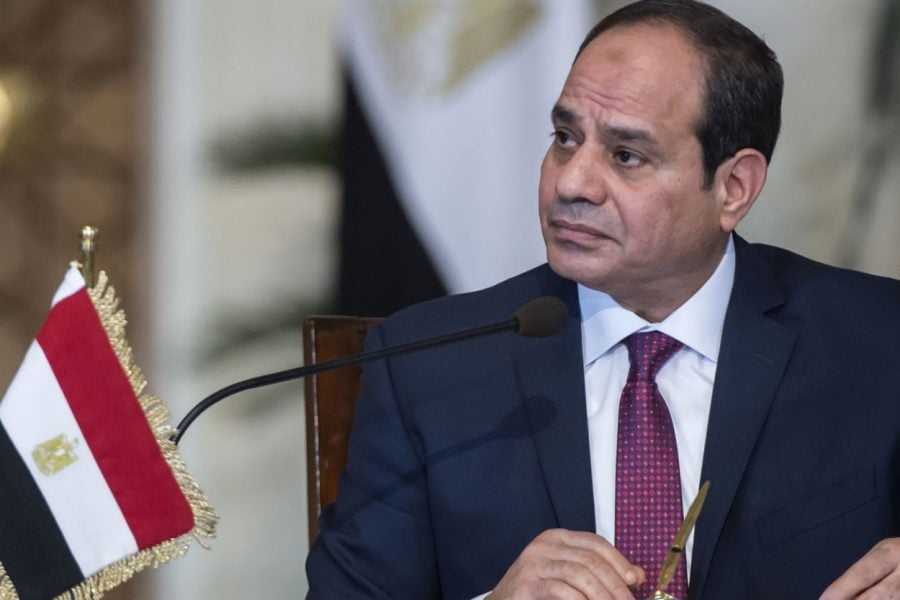
In Egypt, court verdicts cannot be appealed. They require final approval by the Egyptian President Abdel Fattah el-Sisi.
Since 2013, when the army overthrew former President Mohamed Morsi, there has been a far-reaching crackdown on political dissent in Egypt, prompting criticism from human rights groups and foreign governments.
According to human rights groups, there are over 60,000 political prisoners in Egypt facing brutal and unhygienic conditions, with overcrowded cells, especially in the Torra prison, where most political prisoners are detained.
El-Sisi denies that there are political prisoners in Egypt, stating that security and stability are paramount in the country.






add your comment
Terms of publication : Not to offend the writer, people, sacred things, or attack religions or the divine self, and refrain from racist incitement and insults.