Migratory pressure on Morocco has been at its lowest levels since 2019, after the COVID-19 pandemic drove off flows from Morocco’s northern shores to the more dangerous West African route leading migrants across the deadly Atlantic to the Canary Islands.
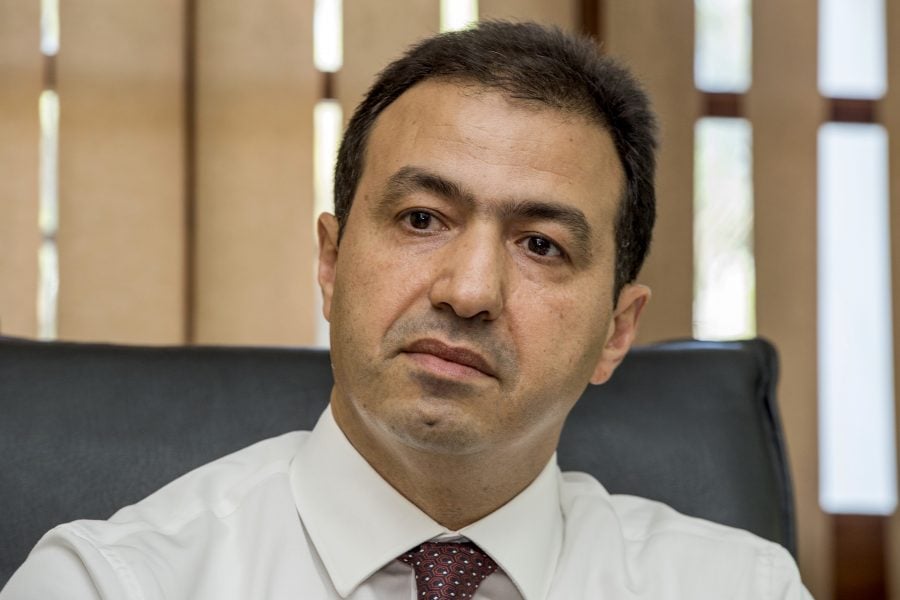
The Chief of Morocco’s border security Khalid Zerouali revealed in an interview with Hespress Eng that his agents stopped 40,300 migrants who attempted to use Morocco as a springboard to reach Europe in 2020, down by about 45% from figures recorded in 2019. In the first five months of 2020, the number stood at 13,000.
“The flow chain from Morocco has been broken,” he said, citing the prolonged, near-complete shutdown of air traffic in 2020, that extended to the better half of 2021 with the many conditions imposed on travelers arriving to Moroccan territory.
“We must keep in mind that many of the irregular migrants arrive in Morocco by airport. With no air traffic, the West African route emerged,” Zerouali said.
The security official cited, in addition to border shutdown, cheaper prices offered by traffickers (between 300-500 euros) and stricter surveillance on the country’s northern shores as grounds for the reemergence of the Atlantic route.
At least 250 migrants died on the long and treacherous Canary Islands route in the first six months of 2021, with arrivals increasing by 156 percent compared with the same period last year, according to figures by the International Organization for Migration (IOM).
With vaccine rollout increasing and signs of life post-covid beginning to resurface, the security official warns against renewed smuggling activity and future increases in irregular migration, amidst the precarious socio-economic conditions experienced by communities across Africa during the pandemic.
The effects of the lockdown hit migrants hard, leading for example, the majority to lose their jobs in Tunisia and Libya (51% and 60% respectively), according to surveys by the Mixed Migration Secretariat in Libya and Tunisia.
“We must brace for augmented migratory pressure. We already feel the signs. (…)Tunisia and Libya are already facing this pressure,” said Zerouali.
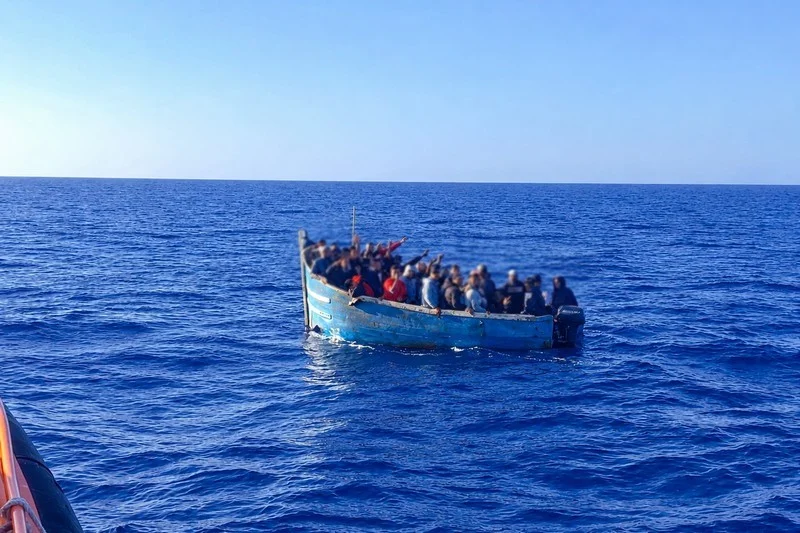
Part of the pressure faced by Morocco, he said, relates to the makeshift boats that ran into trouble on the Atlantic while crossing to the Canary Islands and ended up washed up on southern Moroccan shores. The boats, usually overcrowded and in poor condition, spend weeks adrift in the Atlantic en route for the Canary Islands.
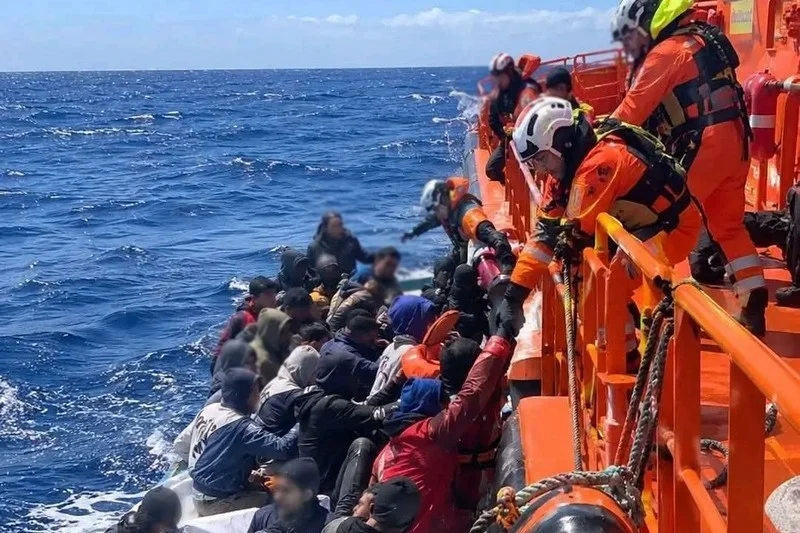
In the first five months of 2021, Morocco rescued 2,500 migrants off of the Atlantic and Mediterranean sea. 10,300 people were rescued in 2020.
“We provide rescue to these people, give them medical care, feed them and clothe them and send them to their home,” he said, adding that in the first five months of 2021, Morocco returned 1,686 irregular migrants to their Sub-Saharan homes.
“We do this on a friendly basis with our brotherly African neighbors,” he said.
In 2020, 2,423 were returned, part of a program dubbed voluntary or assisted return designed to encourage undocumented migrants to return to their country of origin by paying for their airfares and giving them small allowances.
The program began in Europe and mostly involved a North-South flow, but with Europe’s borders increasingly externalized, the program was introduced on a South-South level with financial support from the IOM.
“These are not forced returns,” Zerouali said, citing that on a regular basis migrants approach his department and the IOM office in Morocco asking to be returned to their countries of origin.
Reflecting on Morocco-EU border management cooperation, the Head of Morocco’s border security said that the Kingdom continues to serve as the European Union’s strategic partner, rejecting claims that the country plays the role of Europe’s gendarmerie.
“We must do our homework first, if we do not secure our borders, we would be the first to feel the repercussions,” he said.
By the end of April, border security officials arrested 67 trafficking networks. In 2020, the number reached 394,000 networks.





add your comment
Terms of publication : Not to offend the writer, people, sacred things, or attack religions or the divine self, and refrain from racist incitement and insults.