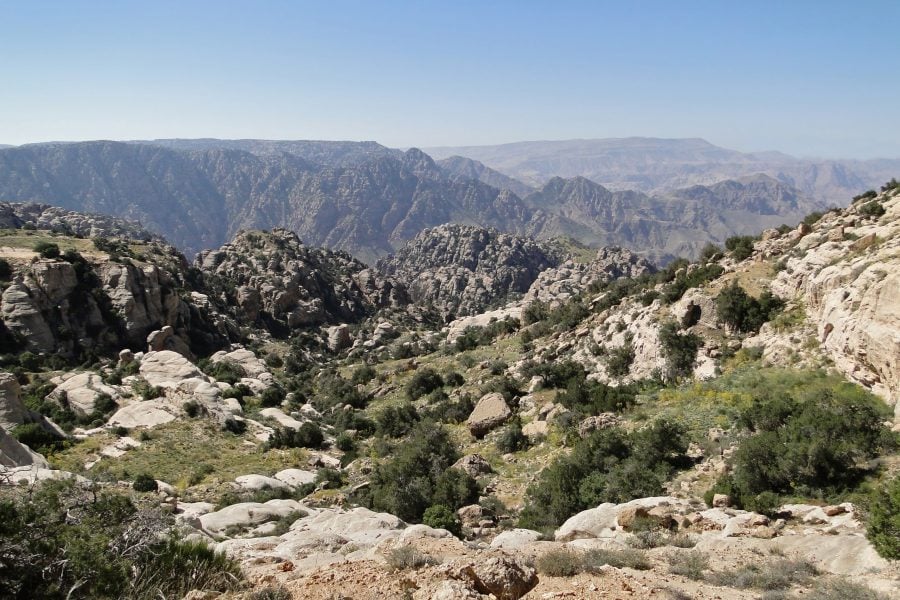
UNESCO added 20 new biosphere reserves designated in 21 countries to its global network of protected areas, raising the total number of reserves to 727 in 131 countries.
New biosphere reserves are added each year in order to promote sustainable development and encourage conservation efforts.
Libya, Saudi Arabia and Lesotho joined the list for the first time.
Libya’s 83,060 hectarers Ashaafean Biosphere Reserve is home to endangered species such as the Striped hyena and the Land tortoise, while Saudi Arabi’s Juzur Faraseen reserve houses the threatened red mangrove Rhizophora mucronate, the largest population of Idmi gazelle in the country.
In Lesotho, the Matseng reserve is “an endemic bird area of high priority,” according to UNESCO.
Other protected sites approved this year are located in Canada, France, Korea, Italy, Kazakhstan, Malaysia, Russia, Peru, Spain, Thailand, Uzbekistan and Vietnam.
“The International Coordinating Council of UNESCO’s Man and the Biosphere Programme… approved these additions along with the extension or re-zoning of two existing biosphere reserves (in Italy and Chile),” the agency said in a statement.
Biosphere Reserves are nominated by governments and remain under their jurisdiction once approved. UNESCO’s global network covers nearly five percent of the planet.
While visiting the Oban Biosphere Reserve in Nigeria, UNESCO Director-General Audrey Azoulay warned of an “impending collapse,” stressing that “the erosion of biodiversity is no longer a hypothesis, but a fact.”
The UN official, however, added that the collapse is not inevitable if we “make peace with the planet.”
An upcoming UN biodiversity summit in China will discuss a draft treaty that proposes that 30 percent of the planet’s lands and oceans become protected areas by 2030.



add your comment
Terms of publication : Not to offend the writer, people, sacred things, or attack religions or the divine self, and refrain from racist incitement and insults.