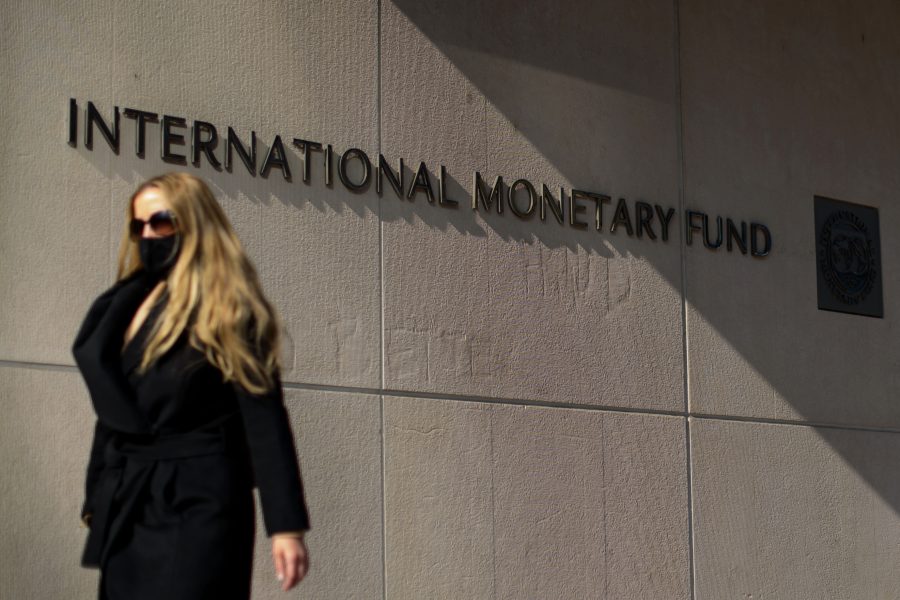
The International Monetary Fund (IMF) injected USD650 billion into the global economy to aid low-income and developing countries deal with a mounting debt driven by the COVID-19 global economic crisis.
“The SDR allocation will provide additional liquidity to the global economic system – supplementing countries’ foreign exchange reserves and reducing their reliance on more expensive domestic or external debt,” The International Monetary Fund (IMF) Managing Director Kristalina Georgieva.
said.
The USD 650 billion will enable the 190 member countries to access new borrowing in proportion to their share of the global economy.
“SDRs are being distributed to countries in proportion to their quota shares in the IMF. This means about US$275 billion is going to emerging and developing countries, of which low-income countries will receive about US$21 billion – equivalent to as much as 6 percent of GDP in some cases,” she said.
“To support countries, and help ensure transparency and accountability, the IMF is providing a framework for assessing the macroeconomic implications of the new allocation, its statistical treatment and governance, and how it might affect debt sustainability,” she added.
The injection will be made possible under Special Drawing Rights known as SDRs, an international reserve asset convertible into the dollar, euro, yen, British pound and yuan.
Under IMF guidelines, the injection will be proportionately distributed based on each country’s share in the fund, almost equal to their economic output. Bloomberg explains 58% of the new SDRs will go to advanced economies, while only 3.2% of the injection will reach low-income countries.
The IMF said it would provide regular updates on all SDR holdings, transactions, and trading – including a follow-up report on the use of SDRs in two years’ time.






add your comment
Terms of publication : Not to offend the writer, people, sacred things, or attack religions or the divine self, and refrain from racist incitement and insults.