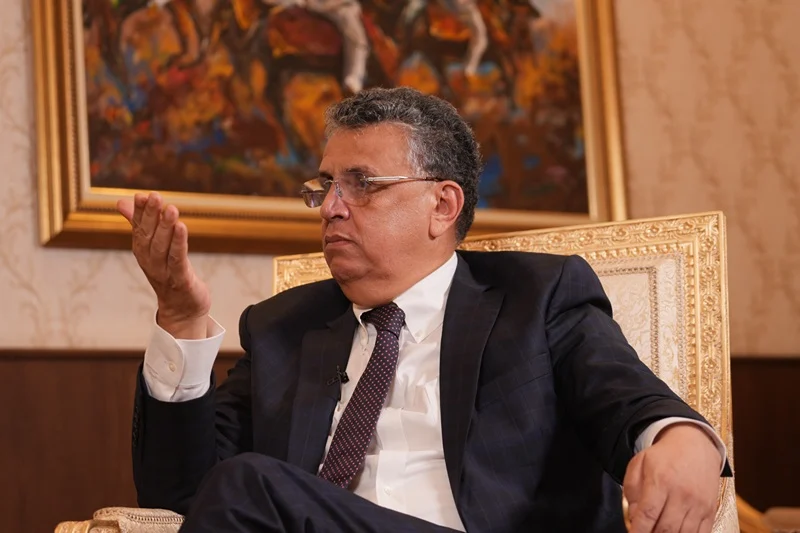
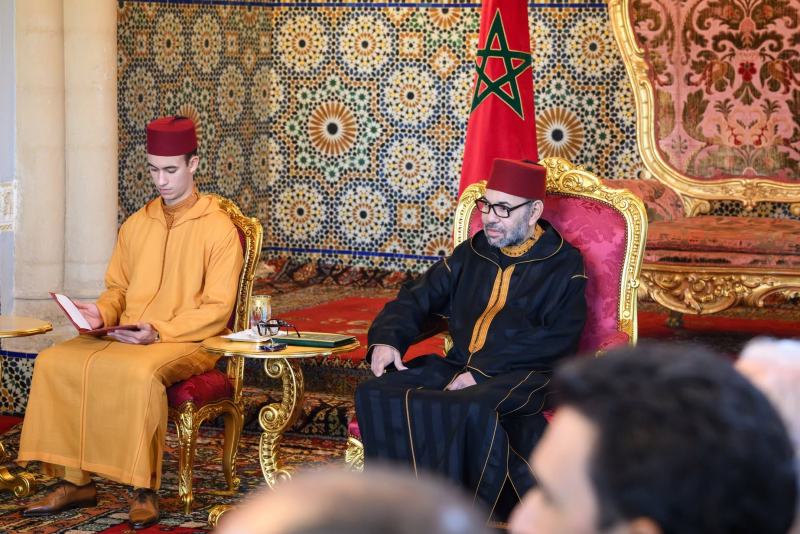
Morocco’s Justice Minister Abdellatif Ouahbi said Wednesday that the ongoing review of the Family Code would not alter definitive religious provisions or inheritance rules, stressing that the reform process must remain guided by King Mohammed VI’s instruction not to “make the forbidden permissible or prohibit what is permissible.”
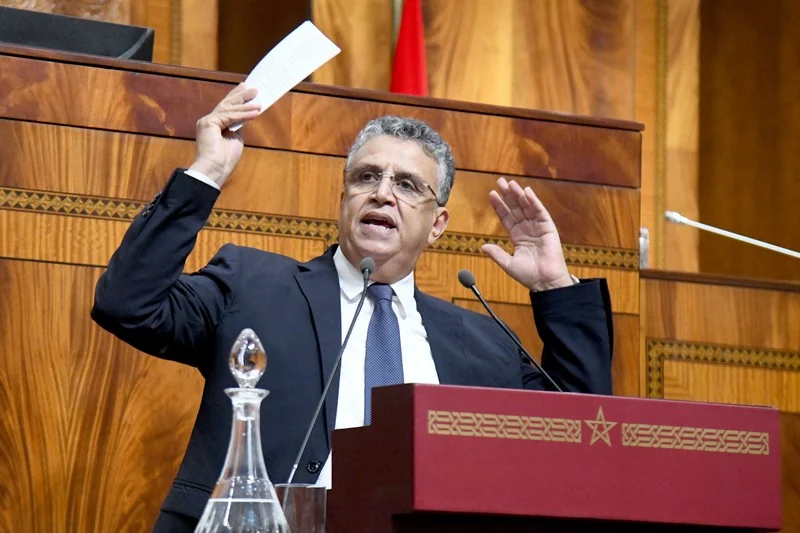
Speaking before the Justice, Legislation and Human Rights Committee at the House of Councillors, Ouahbi described the reform as a legal and societal matter concerning all Moroccans, rather than an issue to be divided along government and opposition lines.
“The disagreement surrounding the Family Code at present stems from a lack of knowledge about its contents,” Ouahbi said. “No one knows what it contains, yet everyone is talking about it based on assumptions created for political purposes rather than legislative or legal ones.”
The minister said all state institutions with a role in religious affairs would contribute to the proposed amendments, adding that several issues remained contested and had required extensive deliberations.
He called for patience and a willingness to seek consensus, arguing that major government files required time and careful management.
Ouahbi also pointed to the pressure facing the committee tasked with reviewing the code, citing rapid social changes and what he described as a contradiction between the advances Moroccan women have made in society and the legal framework currently governing their circumstances.
He said the reform should establish a genuine balance within society and ensure that legislation reflects women’s actual gains.
The minister added that the committee had not yet heard the views of Fatima Ezzahra El Mansouri, whom he referred to as head of government, saying she should contribute in her institutional capacity rather than as a political party leader.
Ouahbi said previous discussions with the Supreme Council of Ulema and the Ministry of Endowments and Islamic Affairs had focused on specific areas of religious interpretation where differences remained, rather than on the fundamental principles involved.
“Except for the religious principle affirmed by His Majesty the King, the rest will be subject to evolving interpretations in the religious field,” he said.
He urged public figures and other stakeholders to approach the debate with caution and respect, warning against assumptions and accusations that could undermine a societal project involving major state institutions and civil society organizations.
Ouahbi said the committee had heard from around 1,300 associations, civil society groups, trade unions and academic bodies, including organizations representing women’s and men’s interests.
He said the consultations had involved working days of up to 18 hours and that participants had been required to submit their contributions in written form. Those submissions, he added, would constitute an important documentary resource for researchers examining changes in Moroccan society.
The committee will also hear from El Mansouri in her institutional capacity as part of the ongoing review, he said.



add your comment
Terms of publication : Not to offend the writer, people, sacred things, or attack religions or the divine self, and refrain from racist incitement and insults.