
Morocco climbed 18 places in the latest global ranking of countries affected by extreme weather, reaching 78th place for 2025 compared with 96th in 2024, according to the Climate Risk Index 2027 published by Germanwatch on Tuesday.
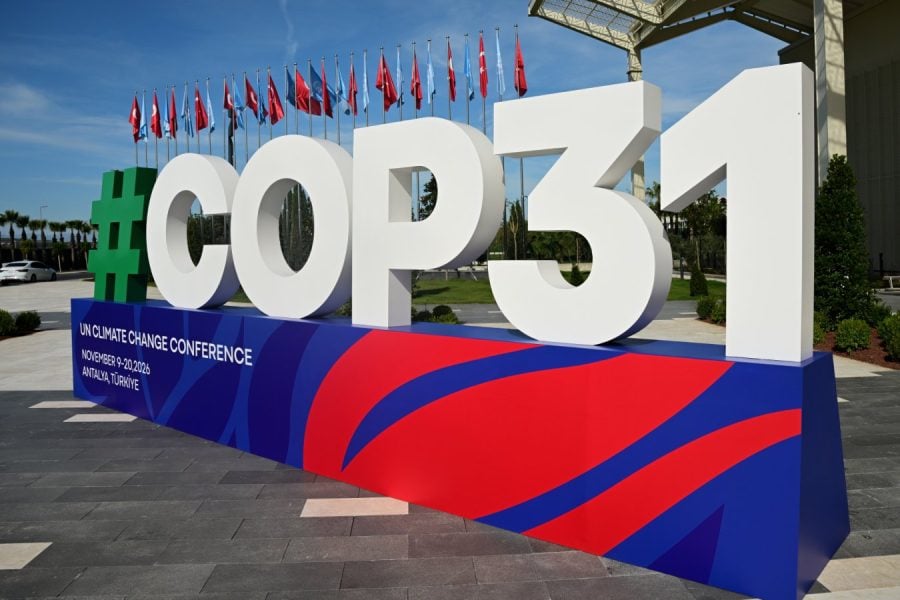
The report, released during the COP31 climate conference in Antalya, Türkiye, also ranks Morocco 99th for the longer 1996–2025 period, compared with 83rd in the previous assessment covering 1995–2024.
The contrasting results reflect differences between the annual assessment of extreme weather impacts and the longer-term ranking, which measures the consequences of disasters across three decades.
Germanwatch evaluates countries using six indicators covering fatalities, populations affected and economic losses, measured both in absolute terms and relative to population size or gross domestic product.
The rankings measure recorded damage rather than future climate vulnerability, and a change in position does not necessarily establish an equivalent increase or decrease in actual losses.
Morocco’s 2025 position places it below several other African countries in terms of recorded impact, including Nigeria, ranked 11th, Madagascar at 18th and Niger at 41st. Algeria ranked 96th, while Mauritania placed 109th.
Globally, extreme weather events killed more than 916,000 people between 1996 and 2025, affected approximately 5.5 billion people and caused over $4.7 trillion in inflation-adjusted direct economic losses.
In 2025 alone, Germanwatch recorded 367 extreme weather events worldwide, resulting in nearly 35,000 deaths, affecting more than 100 million people and causing losses exceeding $158 billion.
Jamaica, Sri Lanka and Spain were the most affected countries in 2025, while Dominica, Myanmar and Honduras led the 30-year ranking.
Heatwaves accounted for nearly 70% of reported extreme weather deaths in 2025, with more than 24,000 fatalities, while storms generated the largest economic losses.
Germanwatch warned that climate-related damage remains substantially underreported in developing countries, particularly in Africa, where limited meteorological monitoring and incomplete mortality records can obscure the consequences of extreme heat.
The organization also highlighted unequal scientific coverage, noting that only 1% of climate attribution studies examined events in North Africa and western Asia. Germanwatch called for stronger early-warning systems, adaptation investment and international financing to help vulnerable countries manage increasingly severe extreme weather events.


add your comment
Terms of publication : Not to offend the writer, people, sacred things, or attack religions or the divine self, and refrain from racist incitement and insults.