
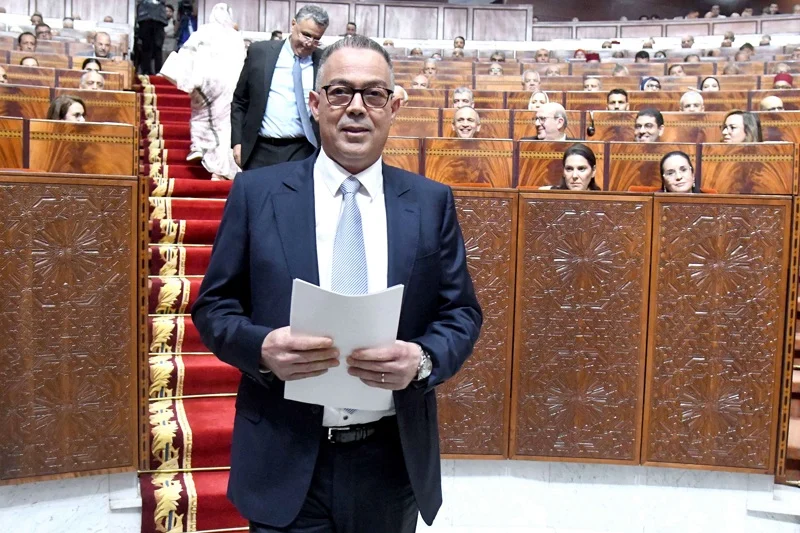
Morocco’s parliamentary opposition criticized the government’s 2027 Finance Bill on Friday, arguing that it maintains existing policies rather than introducing meaningful economic changes and falls short of electoral promises on purchasing power, productive investment and job creation.
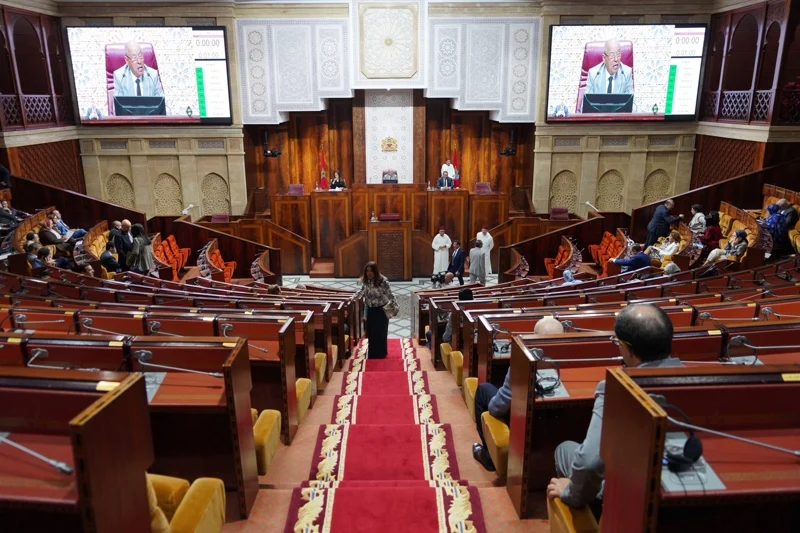
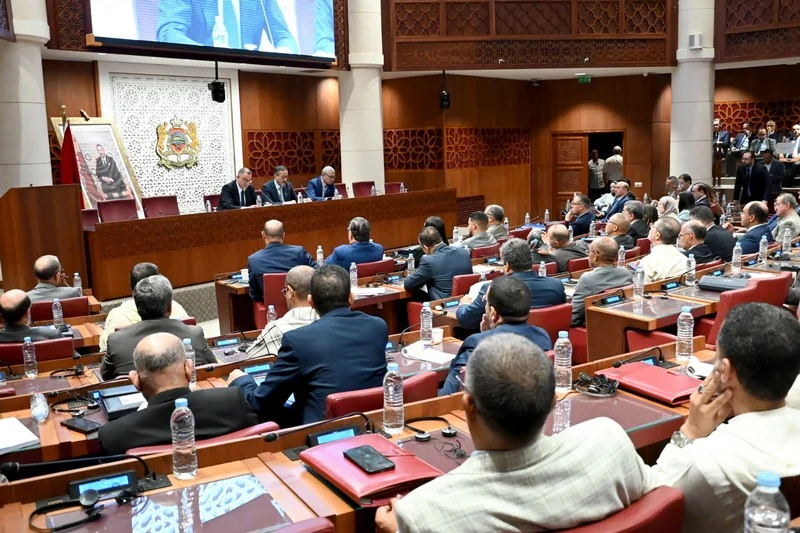
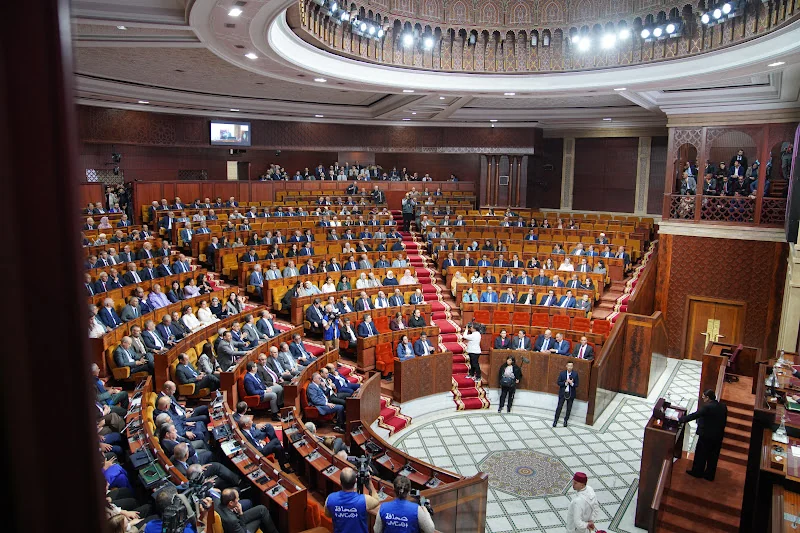
During a plenary session of the House of Representatives, opposition lawmakers questioned the government’s economic and development strategy, pointing to what they described as weaknesses in public investment, growing debt-servicing costs and a lack of clear objectives for the country’s economic policies.
The Justice and Development Party (PJD) said the draft budget reflected “continuity rather than a change of course,” particularly in light of the commitments made by the governing majority during the election campaign.
Idriss El Azami El Idrissi, head of the party’s parliamentary group, argued that most of the measures in the bill extended existing initiatives, including sectoral programs, the expansion of social protection, a new generation of regional development programs and infrastructure projects.
He said the draft lacked a coherent framework linking economic policy to development priorities, describing it as largely an accounting exercise that allocated resources to ministries and programs without sufficiently emphasizing objectives, results or effectiveness.
El Azami also questioned the government’s commitment to restoring household purchasing power, saying the proposed measures did not include substantial action to curb rising prices. He argued that the limited income gains resulting from personal income tax adjustments, estimated at around MAD 500, would quickly be eroded by higher market prices.
The PJD group also expressed concern over plans to establish six regional companies or professional aggregation platforms, warning that they could create new layers of complexity and potentially reinforce monopolistic practices.
El Azami said the government had not provided sufficient details about the companies’ ownership, management structures or the role of cooperatives and small-scale farmers. He called for safeguards to prevent the platforms from becoming intermediaries that could dictate prices to producers and consumers.
He further criticized the postponement of some campaign commitments, including raising the minimum pension to MAD 3,000, which he said had been deferred until 2031. He described the government’s approach as a shift from making broad electoral promises to implementing them gradually.
On governance and anti-corruption, the PJD called for measures to curb monopolies and market concentration, encourage productive investment and replace imports with domestic production. It also urged the government to use public investment and procurement to support a broader range of Moroccan businesses rather than concentrating the benefits of public spending among a limited number of companies.
Popular Movement questions debt burden and public investment
The Popular Movement parliamentary group also criticized the draft budget, describing it as a largely technical document that relied heavily on tax revenues and lacked innovative approaches to mobilizing resources.
Group leader Rym Chabat questioned the contribution of public institutions and state-owned companies to government finances. She said that, out of approximately 272 public institutions and enterprises, only five contributed to public finances, while the remaining 267 represented a burden on the state budget.
She called on the government to explain how it intended to reform the sector, warning that debt-servicing costs were placing increasing pressure on public finances.
Chabat pointed to the government’s plan to mobilize nearly MAD 120 billion in medium- and long-term borrowing, arguing that the resulting debt burden could further restrict the state’s already limited budgetary flexibility.
She also called for a thorough parliamentary and government assessment of so-called innovative financing mechanisms, saying previous requests from her group to evaluate their impact and clarify how and when the funds were spent had not received satisfactory answers.
The lawmaker argued that Morocco needed to develop economic alternatives capable of reducing its dependence on weather conditions and rainfall, calling for annual economic growth of 6%, in line with the target recommended by the New Development Model.
Regarding the approximately MAD 400 billion allocated to public investment, the Popular Movement group said its impact on citizens’ living conditions and regional disparities remained constrained by several obstacles.
These included delayed payments to businesses, particularly small and medium-sized enterprises, which could expose them to cash-flow difficulties, as well as the public sector’s failure to attract sufficient private investment and encourage greater reliance on local subcontractors.
The group also identified employment as an urgent priority, arguing that young people were increasingly seeking access to jobs and stable incomes rather than additional training opportunities alone.
Chabat welcomed the government’s decision to suspend exports of certain agricultural products, saying the measure had previously been included in the Popular Movement’s electoral commitments.
Addressing the minister of economy and finance, she also said the government had adopted proposals put forward by her party, including the agricultural export measure and a rent-to-own housing scheme. She argued that the adoption of opposition proposals was ultimately positive if it benefited citizens, regardless of the party’s position in government or opposition.





add your comment
Terms of publication : Not to offend the writer, people, sacred things, or attack religions or the divine self, and refrain from racist incitement and insults.