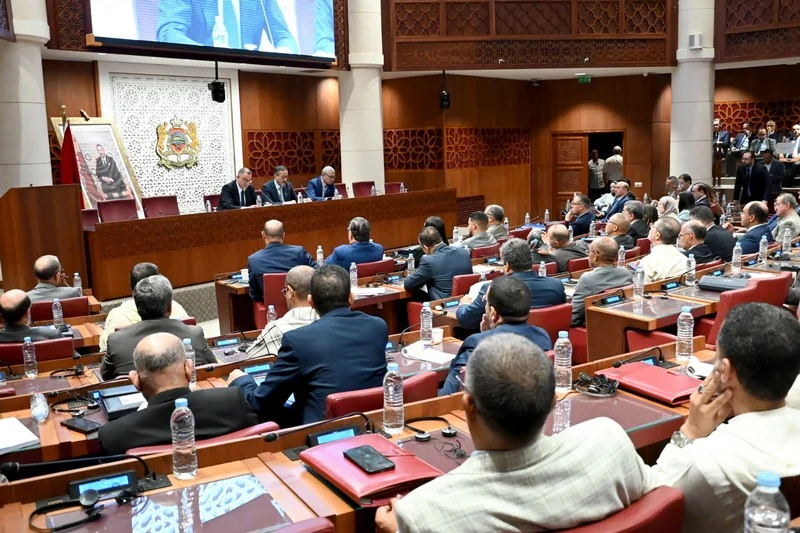
Morocco’s parliamentary Finance Committee accepted 59 of the 287 amendments submitted to the first part of the 2027 Finance Bill, with government and majority proposals accounting for nearly three-quarters of those approved, according to the committee’s report.
The government secured approval for all 11 of its amendments, while majority parliamentary groups saw 33 of their 42 proposals accepted and nine withdrawn. No majority amendments were rejected.
Opposition groups submitted most of the remaining proposals but secured considerably fewer changes to the legislation.
The Justice and Development Party (PJD) submitted 82 amendments, of which four were accepted, 54 rejected and 24 withdrawn.
The Left Alliance parliamentary group proposed 67 amendments, securing approval for one, while 46 were rejected and 20 withdrawn. The Popular Movement submitted 65 proposals, with 11 accepted and 45 withdrawn.
The National Rally of Independents (RNI) parliamentary group submitted 23 amendments, of which two were accepted, seven rejected and 14 withdrawn.
Overall, the committee approved 59 amendments, rejected 116 and recorded 112 withdrawals.
The examination took 55 hours and 25 minutes, spread across 11 meetings over eight working days. Attendance among committee members averaged 70.24%, with 20.76% absent and 9% submitting apologies.
The bill was referred to Parliament on October 20 and presented to the committee three days later.
The committee subsequently approved its first part by 23 votes to 17, with no abstentions.
Debate focused on the government’s economic assumptions, healthcare coverage, public investment and measures intended to protect household purchasing power.
The government projects economic growth of 3.7% in 2027, with a budget deficit of 3% of GDP and inflation of 1.5%.
Its forecasts assume a cereal harvest of 70 million quintals, an average butane price of $600 per tonne and 2.6% growth in foreign demand for Moroccan goods excluding phosphates and derivatives.





add your comment
Terms of publication : Not to offend the writer, people, sacred things, or attack religions or the divine self, and refrain from racist incitement and insults.