Animal production could become a stronger driver of youth entrepreneurship and value creation in Morocco, with opportunities extending beyond livestock farming to animal feed, veterinary services, processing, marketing and innovative agricultural solutions.
Turning the sector into an attractive career path for younger generations, however, requires moving beyond traditional farming models towards more professional, productive and economically viable businesses, according to discussions at a recent gathering organized by Al Moutmir.
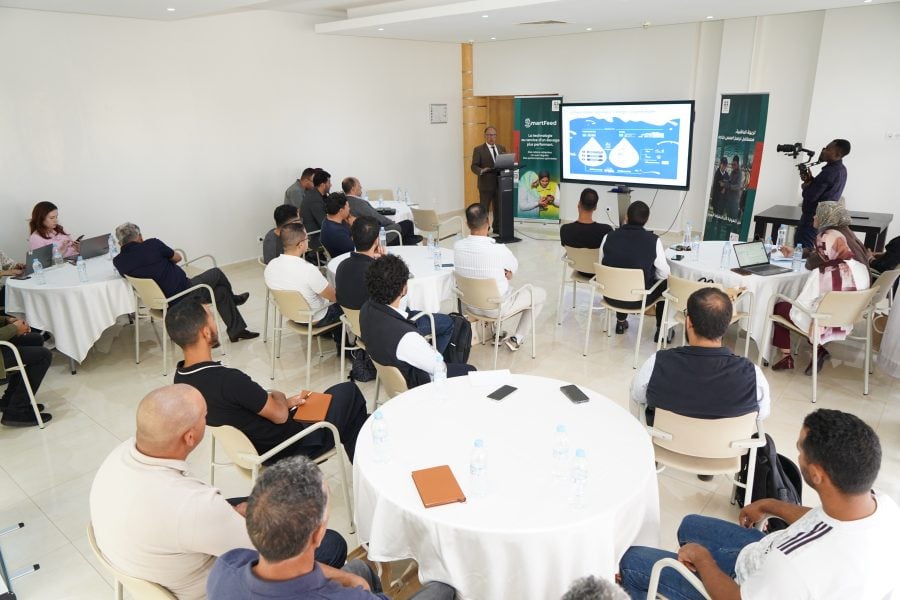
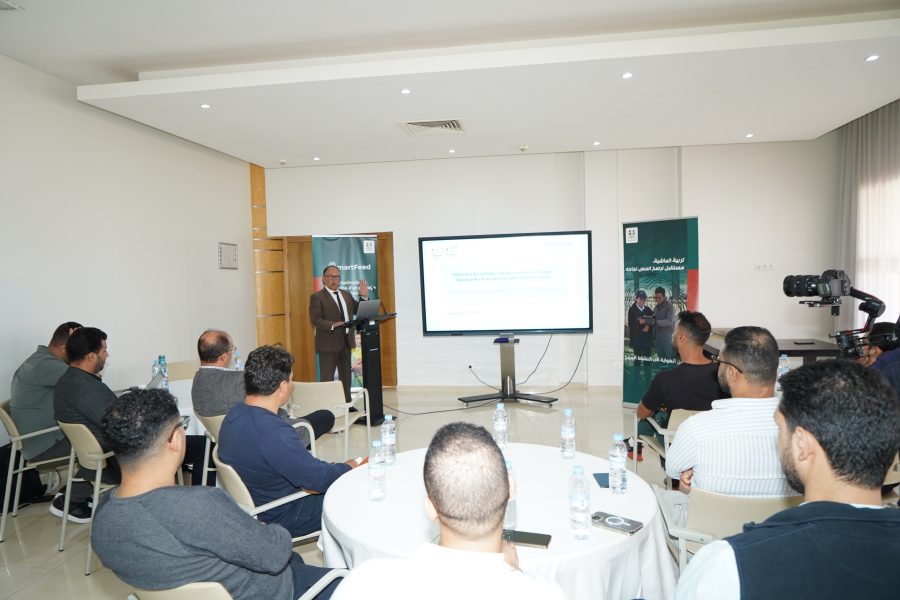
The third edition of the Animal Productions Community of Practice (CoP), held in Benguerir, brought together around 60 participants to explore youth entrepreneurship, investment opportunities and ways to strengthen the economic sustainability of animal production.
The discussions focused on the practical challenges facing young people seeking to establish businesses in the sector, including identifying viable opportunities, developing business models, accessing technical expertise and financing, and building partnerships to support their projects.
Participants stressed that making animal production more attractive to young entrepreneurs requires more than encouraging them to enter livestock farming. It also involves equipping them with technical and business skills, promoting investment models suited to local conditions, improving the technical and economic management of farms, and facilitating access to services and markets.
Cooperatives and professional organizations were identified as important tools for pooling investment, sharing equipment and services, organizing production and improving the value of animal products.
Building an ecosystem to support young entrepreneurs
The success of youth-led businesses in animal production depends not only on individual motivation and skills, but also on the wider economic environment in which they operate.
The range of needs, from training and technical support to financing, infrastructure, services and market access, requires coordinated action among public institutions, research and training organizations, entrepreneurship support structures, financial institutions, professional organizations and private-sector companies.
The objective is to move beyond isolated interventions and develop integrated support pathways connecting young entrepreneurs with the expertise, resources and business opportunities they need at each stage of their projects.
Such partnerships can also help develop solutions adapted to local conditions and encourage collective initiatives across animal production value chains.
In this context, Al Moutmir’s Animal Productions Community of Practice aims to provide a platform bringing together field-level needs, technical knowledge, innovation and institutional and economic stakeholders.
Through experience-sharing, collective learning and networking, the initiative seeks to encourage practical responses to challenges facing animal production and strengthen cooperation across the sector.
The broader ambition is to turn the sector’s potential into viable, sustainable businesses that create economic value and contribute to the development of local communities.
Livestock farmers highlight business opportunities
Participants said the gathering provided an opportunity to exchange practical knowledge, explore new business prospects and consider ways to improve the performance and profitability of their farms.
“This meeting was a real space for exchange, learning and entrepreneurial reflection,” said Abdelhadi Mouktad, a dairy farmer in Sidi Bennour.
Through workshops and discussions with experts and fellow farmers, participants explored ways to develop their dairy activities into more efficient and profitable businesses, he said.
Mouktad added that discussions covered indicators for improving production, measuring profitability and managing farm operations, as well as potential business and partnership opportunities to support young farmers seeking to expand their activities.
Abdessamad Khayroun, a livestock farmer from Sidi El Yamani in the Assilah area, said the meeting provided access to expert advice on improving herd genetics, optimizing production and balancing technical performance with economic profitability.
Beyond technical guidance, the Community of Practice offered a platform for exploring entrepreneurial opportunities and identifying partnerships that could help young farmers structure and expand their businesses, he said.
“It is also an opportunity to move from a production-oriented approach to a genuine agricultural business vision, with clear objectives and prospects for growth,” Khayroun added.





add your comment
Terms of publication : Not to offend the writer, people, sacred things, or attack religions or the divine self, and refrain from racist incitement and insults.