
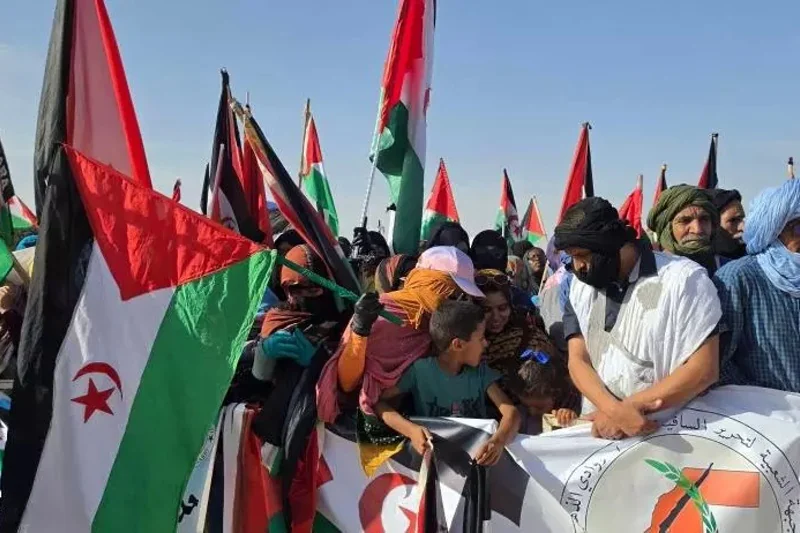
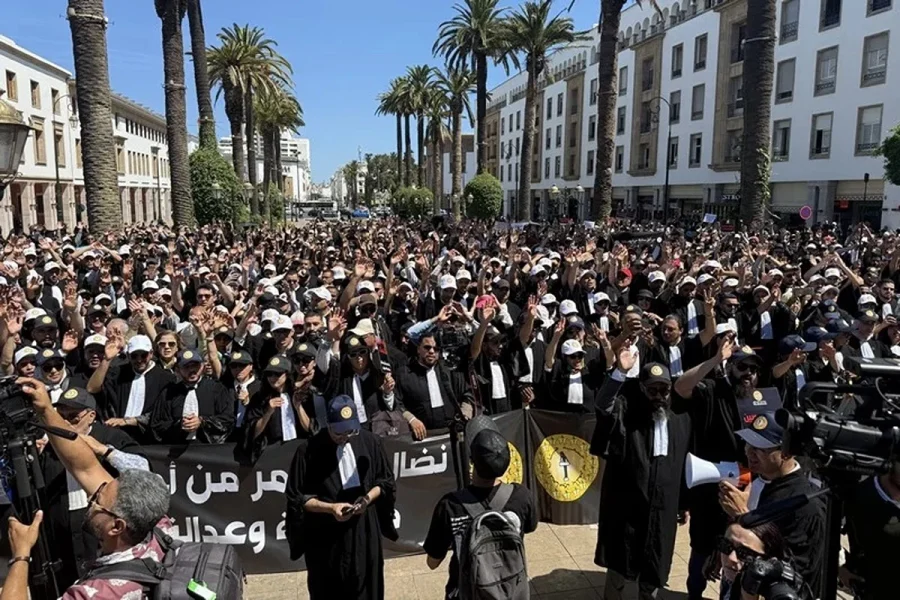
The Moroccan Lawyers Club announced Friday, Nov. 6, the launch of a free and confidential legal information and guidance service for women and men living in the Tindouf camps who wish to return to Morocco.
Called the “Return Line,” the initiative is designed to help people understand their legal rights and available procedures before taking steps to return. The service is scheduled to become operational on Nov. 16, 2026.
The organization said the initiative follows an appeal made by King Mohammed VI on Oct. 31, 2025, inviting people in the Tindouf camps to return to Morocco and stressing that returnees would face no distinction from other Moroccan citizens.
The club said the service seeks to give practical effect to that appeal by providing reliable legal advice directly from lawyers, allowing prospective returnees to understand the reception arrangements and legal pathways available to them.
Assistance will be provided through encrypted messaging applications, including WhatsApp, Telegram and Signal, in four languages: Hassaniya, Arabic, French and Spanish.
People seeking assistance will be asked to provide their name, camp of residence and preferred language before being contacted by a designated lawyer.
The club said strict confidentiality safeguards would apply, with each case accessible only to the assigned lawyer, who is bound by professional secrecy. It added that no personal information would be disclosed and that users could request the immediate deletion of their data.
Priority assistance will be given to particularly vulnerable groups, including women without support, children, older people, individuals with illnesses and people with disabilities.
The initiative is based, according to the organization, on Article 13 of the Universal Declaration of Human Rights, which recognizes the right of everyone to leave any country and to return to their own country. The club also cited the mandate of the United Nations High Commissioner for Refugees (UNHCR) concerning voluntary return in safety and dignity.
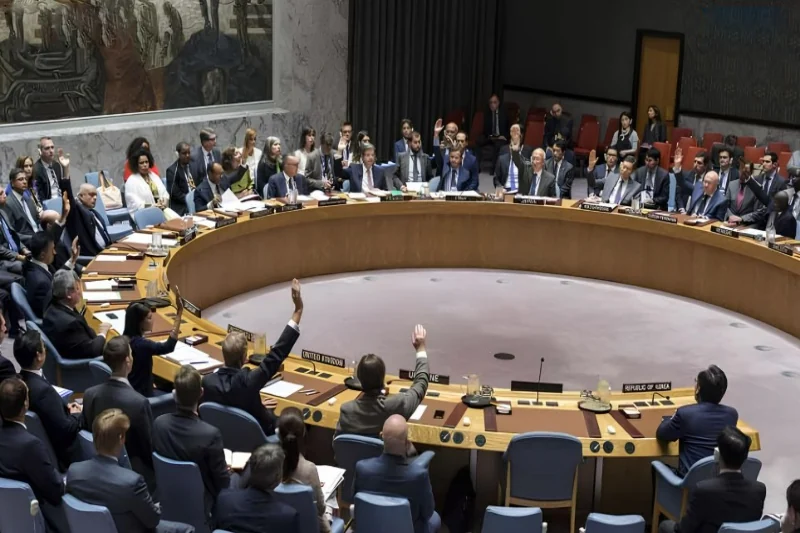
The organization further referred to repeated UN Security Council resolutions calling for the registration of populations in the Tindouf camps to ensure the free exercise of their wishes.
With the explicit consent of those concerned, the cases collected through the service will be transmitted to relevant UN bodies, including UNHCR, for consideration within their respective mandates.
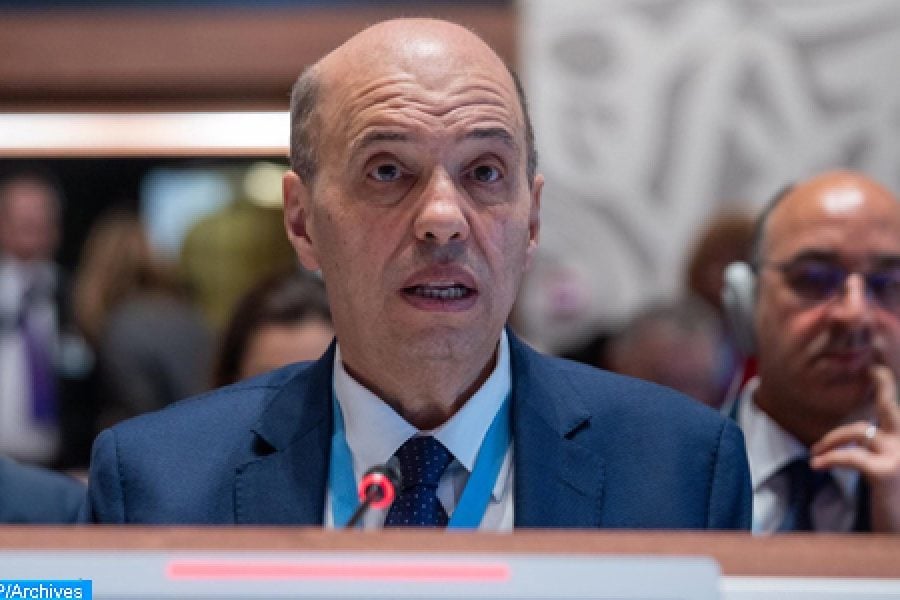
Moroccan Lawyers Club President Mourad Elajouti said many people in the camps had long wished to return but had not been able to do so.
“We will stand by them, listen to them and guide them so they can reunite with their families and return home,” Elajouti said.



add your comment
Terms of publication : Not to offend the writer, people, sacred things, or attack religions or the divine self, and refrain from racist incitement and insults.