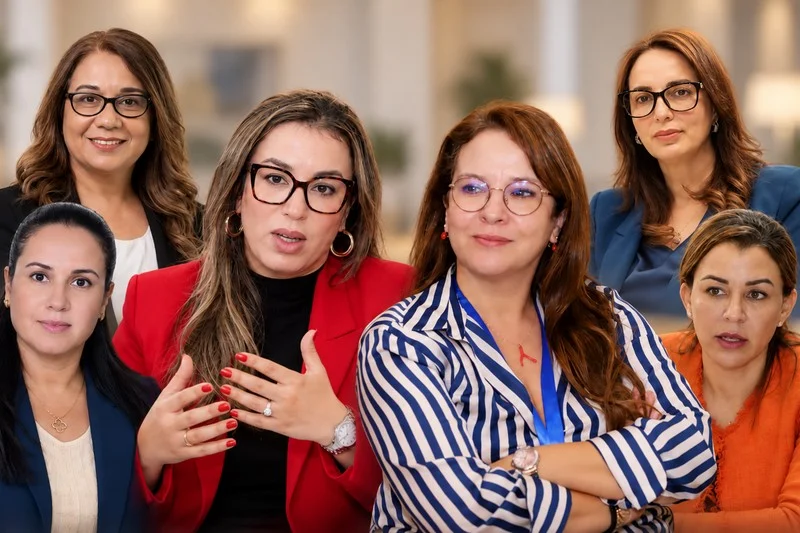
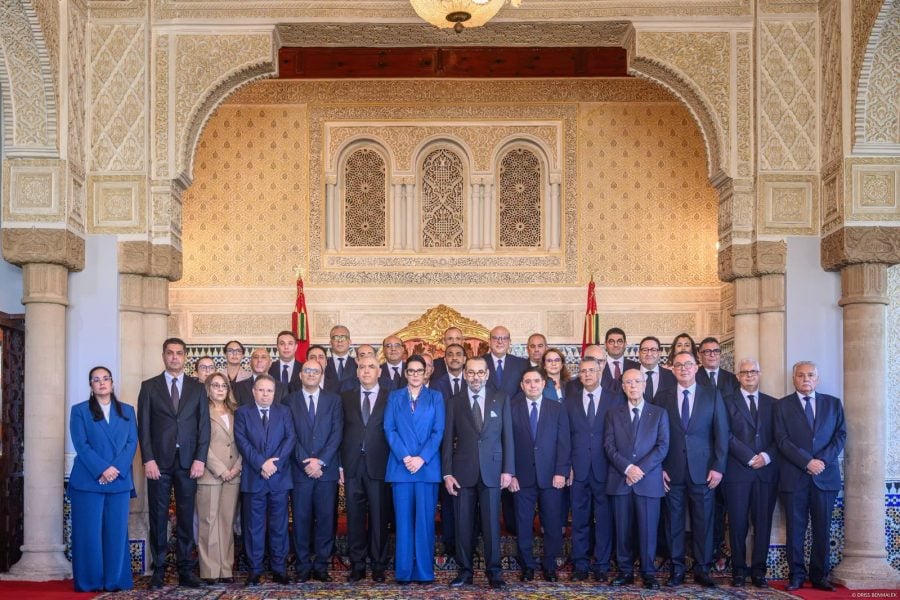
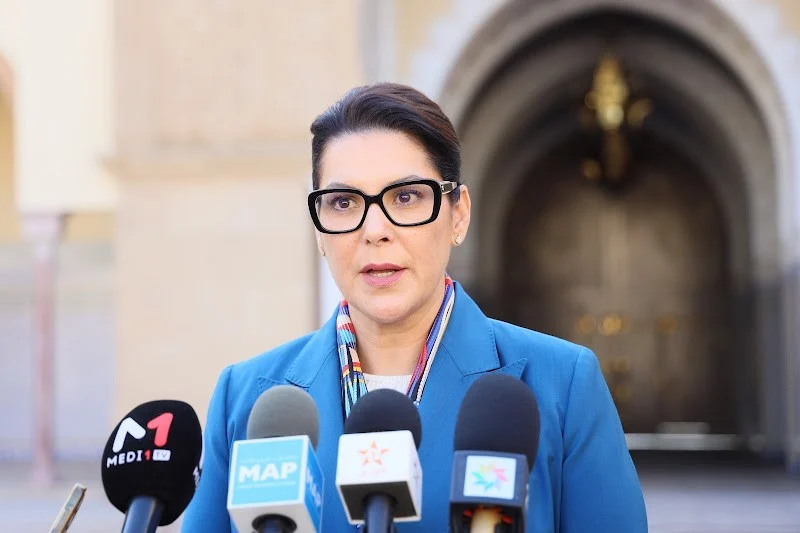
Morocco’s new government, led by Fatima Zahra Mansouri, includes seven women, marking a milestone in the country’s political history with Mansouri becoming the first woman to head the government in modern Moroccan history.
The seven women in the new cabinet include Mansouri and six other appointees holding ministerial or minister-delegate positions across social policy, housing, parliamentary relations, energy, vocational training and administrative reform.
Najwa Koukous, a PAM parliamentarian representing Casablanca-Anfa and president of the party’s National Council, was appointed minister of family, social development and equality.
Fatima Saadi, a member of PAM’s collective leadership and the House of Councillors, was named minister-delegate in charge of housing and city policy under the minister of national territorial planning, urban development, housing and city policy.
Qoloub Fiteh, a member of PAM’s political bureau and head of its women’s organization, was appointed minister-delegate to the head of government in charge of relations with Parliament and civil society.
Charafat Afailal, a member of the political bureau of the Party of Progress and Socialism (PPS) and a former minister-delegate in charge of water under the government of Abdelilah Benkirane, was appointed minister of energy, mines and sustainable development.
Madiha Khiyir, head of the Istiqlal Party’s parliamentary group in the current legislative term and a member of its executive committee, was named minister-delegate in charge of vocational training and qualification. She represents the local constituency of Beni Mellal.
Aicha Kellaâ, representing the Socialist Union of Popular Forces (USFP), was appointed minister-delegate in charge of administrative reform under the minister of artificial intelligence, digital transformation and administrative reform.
The composition has been presented as reflecting merit in ministerial appointments, gender parity, equal opportunities and women’s political empowerment, in line with the principles of Morocco’s 2011 Constitution.
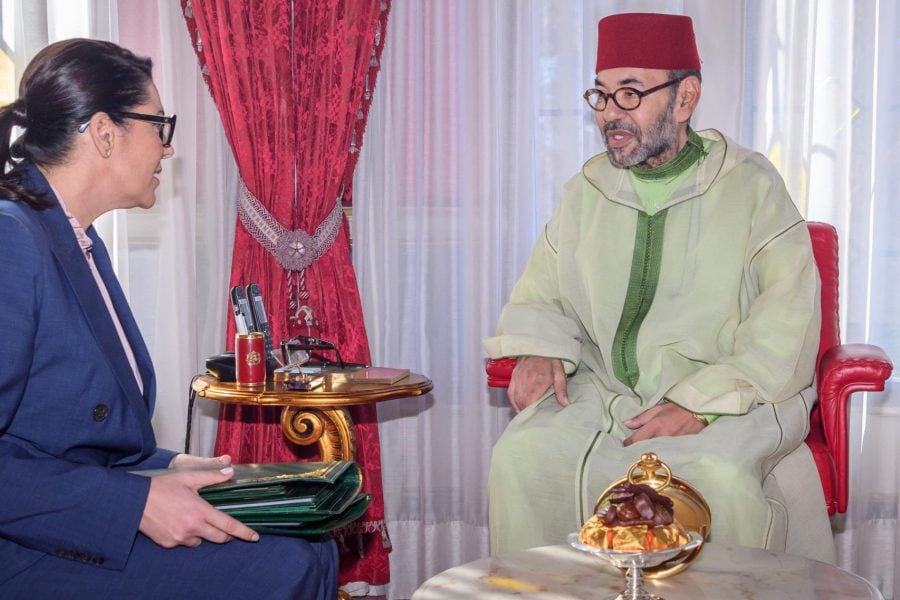
Following his appointment of Mansouri, the King said in a 2018 message to participants at the second Women in Africa global summit in Marrakech that Morocco had been working for years to advance gender equality, describing it as a fundamental human right, a legal requirement and a social and economic necessity.
The monarch also highlighted the 2011 Constitution’s recognition of equality between women and men in rights and freedoms, alongside the objective of achieving parity. He cited initiatives to strengthen women’s economic independence and entrepreneurship, as well as reforms to family law and criminal legislation aimed at addressing violence against women.
In his 2022 Throne Day speech, Mohammed VI said Morocco’s development required the participation of all citizens, women and men, and called for women’s full involvement in every sector.
“The issue is not about granting women free privileges, but rather giving them their legal and legitimate rights,” the King said, urging the implementation of constitutional institutions concerned with family and women’s rights and the updating of national legislation and mechanisms to improve women’s status.
Mansouri, after being appointed to lead the government, described her nomination as a source of pride for the country and a message to women to work hard and persevere. She said the King believed in Moroccan women’s abilities and their right to appreciation and respect.

add your comment
Terms of publication : Not to offend the writer, people, sacred things, or attack religions or the divine self, and refrain from racist incitement and insults.