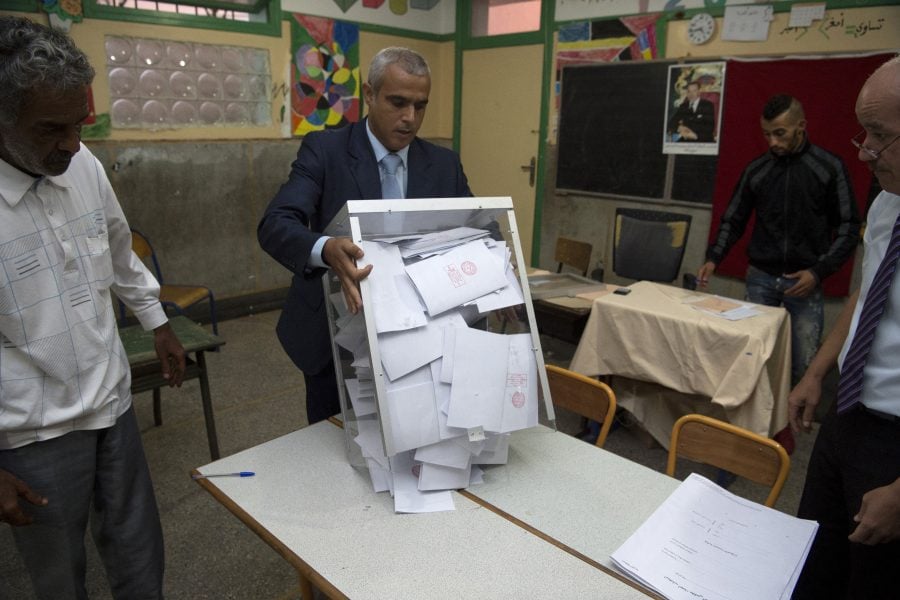
As parliamentary elections in Morocco draw closer, most political parties are banking on socioeconomic issues, placing jobs, purchasing power and the local economy at the forefront of their programs ahead of Wednesday’s vote.
From employment policies and income protection to investment support, business development and the preservation of strategic resources, political parties are putting forward measures designed to keep pace with Morocco’s new development cycle.
Jobs, the flagship issue
Several parties have set a target of creating around one million jobs during the upcoming five-year legislative term, while others aspire to bring the unemployment rate below 9%, and even below 8% by 2031.
Young people, women and rural areas are also receiving special attention. Parties are targeting the creation of 500,000 first-job contracts and pledging support for 60,000 youth-led companies, along with a monthly allowance of MAD 1,000 and training for young jobseekers for up to one year.
Measures targeting NEETs (young people not in employment, education or training) also feature prominently among the proposals. This category would benefit from various training programs in digital professions, as well as entrepreneurship support, with a view to enhancing their professional experience and providing guidance in accessing employment opportunities.
Purchasing power: Prices and incomes
On the purchasing power front, some proposals envisage the implementation of a MAD 150 billion pact over a five-year period, while taking action on distribution channels and reducing the gap between production costs and prices paid by consumers.
Income taxation is also at the heart of the measures under consideration, with some parties proposing a review of wage tax brackets, alongside an increase in the minimum amount of direct social assistance to MAD 1,000 per month.
Other measures include indexing direct social assistance to inflation, raising the minimum wage and the minimum agricultural wage, as well as increasing retirement pensions.
Companies and investment as growth drivers
Several political parties are proposing measures to ease the tax burden on businesses and foster job creation. They also envision tax exemptions for very small and medium-sized enterprises that create at least three jobs, for a period of five years. Access to financing is also among the priorities, with some parties proposing a minimum quota of bank lending for very small and medium-sized enterprises.
Administrative simplification, strengthening competitiveness, improving access to capital markets and developing venture capital for startups are also highlighted as levers to support investment.






add your comment
Terms of publication : Not to offend the writer, people, sacred things, or attack religions or the divine self, and refrain from racist incitement and insults.