
Morocco’s planned gas link with Nigeria is gaining strategic importance as the European Union reduces Russian energy imports and searches for additional supply routes from Africa, according to an analysis published by UNITED24 Media.
The project, however, remains under development, and Morocco is not currently a major gas supplier to Europe.
UNITED24 Media, an English-language platform affiliated with Ukraine’s official UNITED24 initiative, argued that Russia is using its political, military and security influence in Africa to weaken emerging alternatives to Russian gas. It cited Moscow’s growing involvement in the Sahel and instability around planned energy corridors.
The article presented that argument as geopolitical analysis. It did not provide direct evidence that Russia had caused instability specifically to obstruct the Nigeria-Morocco pipeline or other African gas projects.
The EU reduced Russia’s share of its gas imports from 45% before the 2022 invasion of Ukraine to 12% in 2025, according to the European Commission. Russian supplies totaled about 36 billion cubic meters last year, while North Africa supplied roughly 13% of EU gas imports.
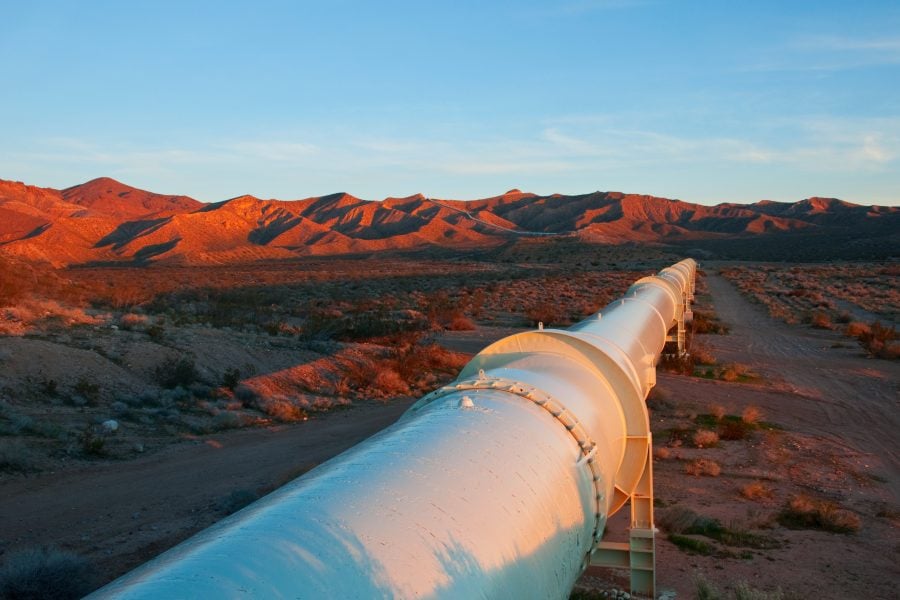
Morocco’s role centers on the proposed African Atlantic Gas Pipeline, previously called the Nigeria-Morocco Gas Pipeline. The $25 billion project would extend about 6,900 kilometers along the West African coast, connect 13 countries and carry as much as 30 billion cubic meters annually.
Up to 15 billion cubic meters could supply Morocco and European markets through the Maghreb-Europe pipeline linking Morocco and Spain. The project has completed feasibility and front-end engineering studies but has not entered full construction.
ECOWAS member states signed an intergovernmental agreement supporting the project in July 2026, advancing the legal framework for its development.
UNITED24 also examined the competing 4,128-kilometer Trans-Saharan Gas Pipeline through Nigeria, Niger and Algeria. That proposed route could carry 30 billion cubic meters annually into Algeria’s export network.
The article argued that insecurity in Niger and the wider Sahel threatens that corridor and could indirectly preserve Russian leverage over European energy markets. Both pipeline projects nevertheless face financing, security and construction risks independent of Russian activity.





add your comment
Terms of publication : Not to offend the writer, people, sacred things, or attack religions or the divine self, and refrain from racist incitement and insults.