
Morocco has officially launched preparations for the 2027 Finance Bill, with the government outlining four strategic priorities centered on economic growth, territorial development, strengthening the social state, and continuing structural reforms.
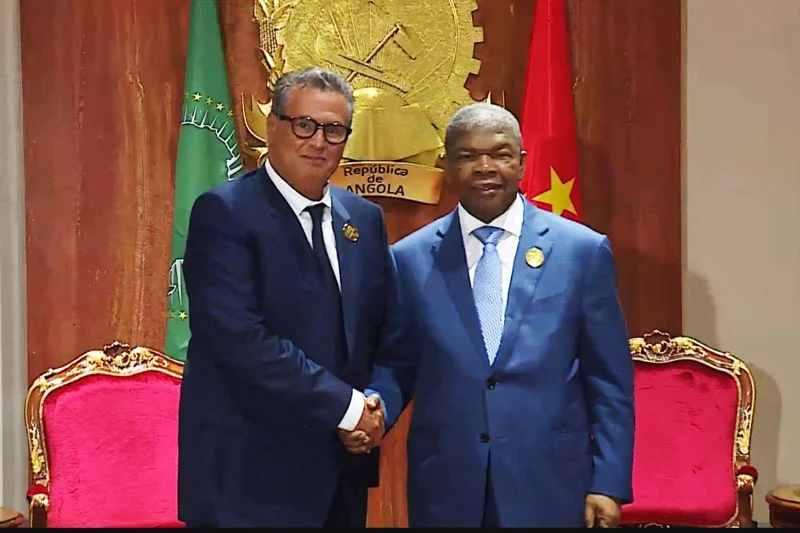
Prime Minister Aziz Akhannouch issued a directive on Wednesday launching the budget preparation process and instructing ministries to adopt stricter spending controls while maintaining investments in key development projects.
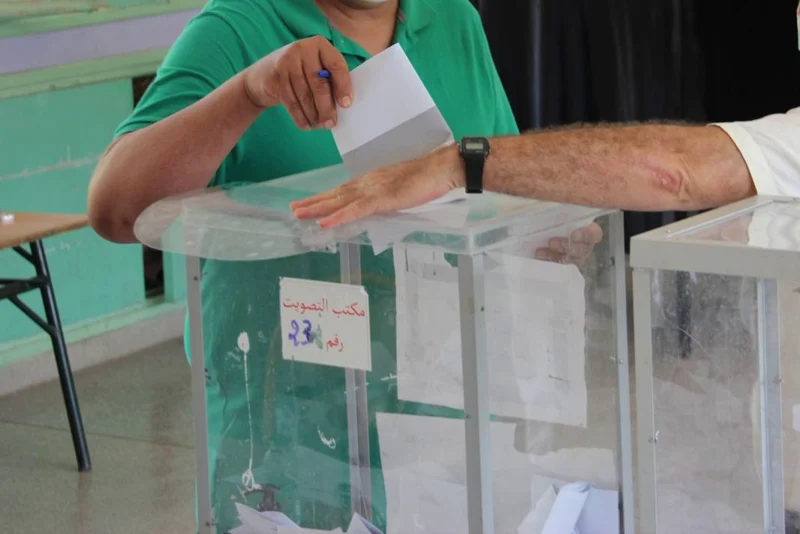
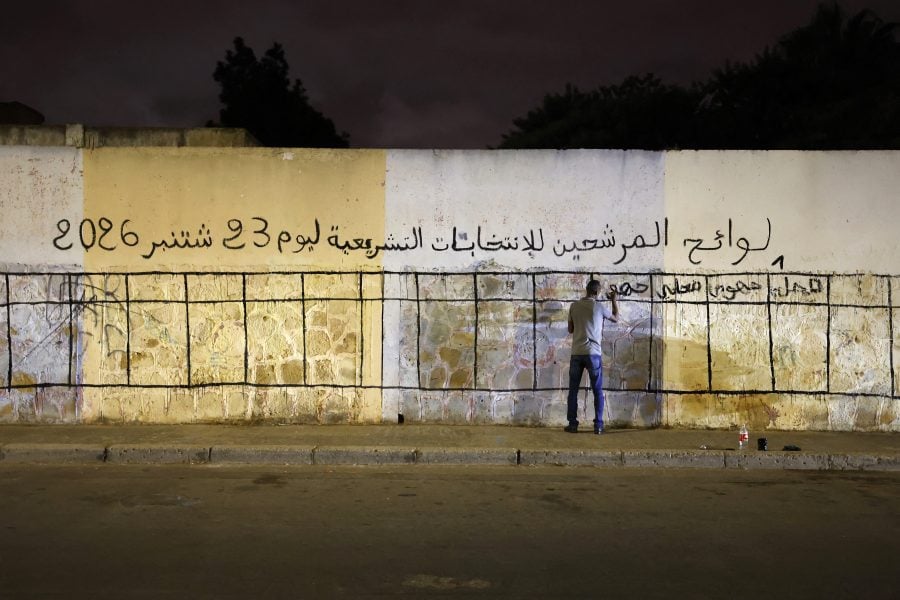
The 2027 Finance Bill, which will be debated under the next legislative term following Morocco’s Sept. 23, 2026 parliamentary elections, seeks to balance ambitious development goals with fiscal sustainability, according to the government’s budget guidelines.
The government said the budget will continue supporting major infrastructure projects, reduce social and regional inequalities, strengthen public finances and preserve macroeconomic stability.
The directive also includes a detailed timetable for budget discussions between the Ministry of Economy and Finance and government departments. Those meetings will run from Sept. 7 through Sept. 17 to ensure the draft budget is completed and submitted to Parliament within the constitutional deadline.
Government tightens public spending
The government instructed ministries to significantly reduce operating expenses while limiting new hiring to positions considered strictly necessary.
The directive calls for lower spending on electricity, water, vehicle rentals, receptions, conferences and other operating costs.
It also urges ministries to sharply reduce expenditures on government vehicles, construction and administrative buildings while linking financial support for public institutions to their performance and progress on development projects.
Major investments in transport and infrastructure
The government plans to continue expanding Morocco’s high-speed rail network by extending the Kenitra-Marrakech line over 430 kilometers.
It also aims to develop regional rail systems (RER) in Casablanca, Rabat and Marrakech.
The budget supports the implementation of Morocco’s Airports Strategy 2030, which seeks to increase airport capacity to 80 million passengers annually while expanding Royal Air Maroc’s fleet to 200 aircraft by 2037.
In industry and trade, the government aims to help 400 additional companies enter export markets, increasing exports by an estimated MAD 84 billion ($9.1 billion) while creating more than 76,000 direct jobs by 2027.
Water security remains a priority
The government reaffirmed its commitment to expanding seawater desalination as part of Morocco’s long-term water security strategy.
It plans to increase desalination capacity to 1.7 billion cubic meters annually by 2030, with major plants expected to become operational in Casablanca, Dakhla and Safi.
MAD 210 billion for regional development
The budget guidelines introduce a new generation of integrated regional development programs backed by an estimated MAD 210 billion ($22.8 billion) over eight years.
Annual financial transfers to Morocco’s regions are expected to increase to at least MAD 12 billion beginning in 2027 to help finance large-scale development projects.
The government also plans to continue emergency support programs.
Financial assistance for households affected by the 2023 Al Haouz earthquake has reached MAD 2.52 billion, while another MAD 3 billion has been allocated to support victims of flooding between 2024 and 2026.
Record spending on wages and social support
The government expects annual spending related to public-sector social dialogue agreements to reach nearly MAD 49.7 billion in 2027.
It also plans to allocate MAD 13.2 billion to subsidize butane gas, sugar and flour in an effort to protect purchasing power.
Morocco’s direct housing support program has benefited more than 111,000 households as of July 3, 2026, with total financial assistance exceeding MAD 9.1 billion.
In education, the government plans to expand its “Pioneer Schools” initiative to 6,562 primary schools—representing about 80% of public primary schools—and 1,363 middle schools by the 2027-28 academic year.
Structural reforms to continue
The government reaffirmed its commitment to major legislative reforms, including revisions to the Family Code (Moudawana), the Penal Code and continued implementation of Amazigh as an official language across public administration and services.
The budget also emphasizes maintaining fiscal discipline.
The government projects economic growth of 5.3% in 2026 while targeting a budget deficit of 3% of GDP.
Public debt is expected to remain around 65% of GDP before declining to 63% by the end of 2029.


add your comment
Terms of publication : Not to offend the writer, people, sacred things, or attack religions or the divine self, and refrain from racist incitement and insults.