
A proposed $30 billion renewable energy project linking Morocco and Germany through an undersea electricity cable has stalled as the two sides remain divided over the project’s structure and long-term guarantees, according to Reuters.
The Sila Atlantik project was proposed after the British government withdrew its support last year for the £25 billion Morocco-UK electricity interconnection, prompting developer Xlinks to shift its focus to Germany in an effort to revive the initiative.
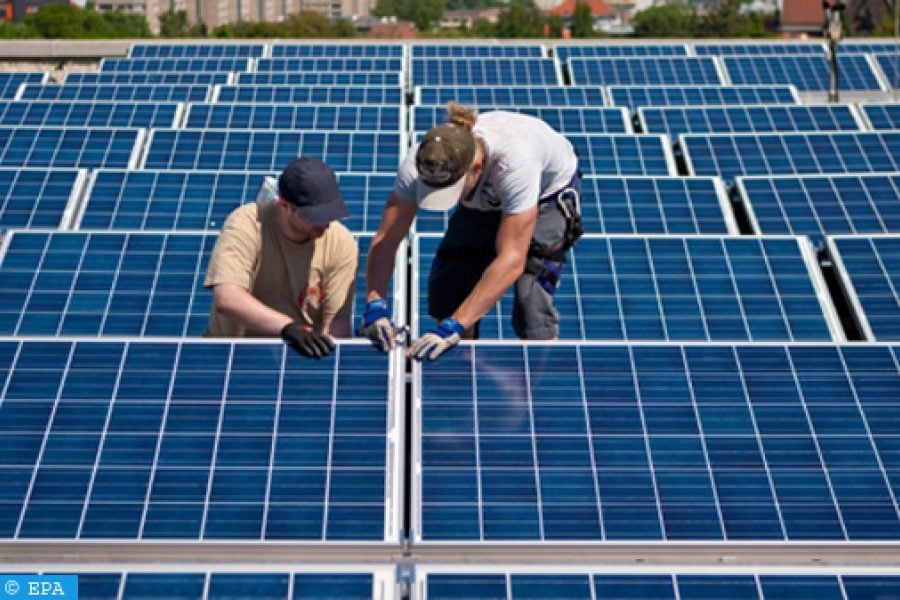
The plan calls for the construction of an approximately 4,800-kilometer high-voltage direct current (HVDC) subsea cable along the Atlantic coast to transmit up to 15 gigawatts of solar and wind-generated electricity from southern Morocco to Germany.
The project comes as Germany seeks to expand its renewable energy supply while phasing out coal and nuclear power. If completed, it would rank among the world’s largest cross-border renewable energy projects and position Morocco as a major clean energy supplier to Europe.
According to Xlinks, the two subsea cables would supply about 5% of Germany’s annual electricity demand, drawing on Morocco’s abundant solar resources and strong Atlantic winds, backed by battery storage systems.
However, Reuters, citing two Moroccan and two German sources familiar with the negotiations, reported that discussions have stalled because Morocco is seeking a formal intergovernmental agreement guaranteeing Germany’s long-term political support for the project.
Moroccan authorities also want the electricity connection to be designed as a two-way interconnector, allowing power to flow in both directions rather than functioning solely as an export route to Europe.
A German source told Reuters that such a configuration is technically feasible but would increase construction costs.
The report also said that while Morocco has earmarked about 150,000 hectares of land in the southern Guelmim-Oued Noun region for the original Xlinks project, a similar land allocation has yet to be approved for Sila Atlantik.
In a statement to Reuters, Xlinks said it continues to assess the project’s long-term technical and regulatory options before determining the most suitable path forward.







add your comment
Terms of publication : Not to offend the writer, people, sacred things, or attack religions or the divine self, and refrain from racist incitement and insults.