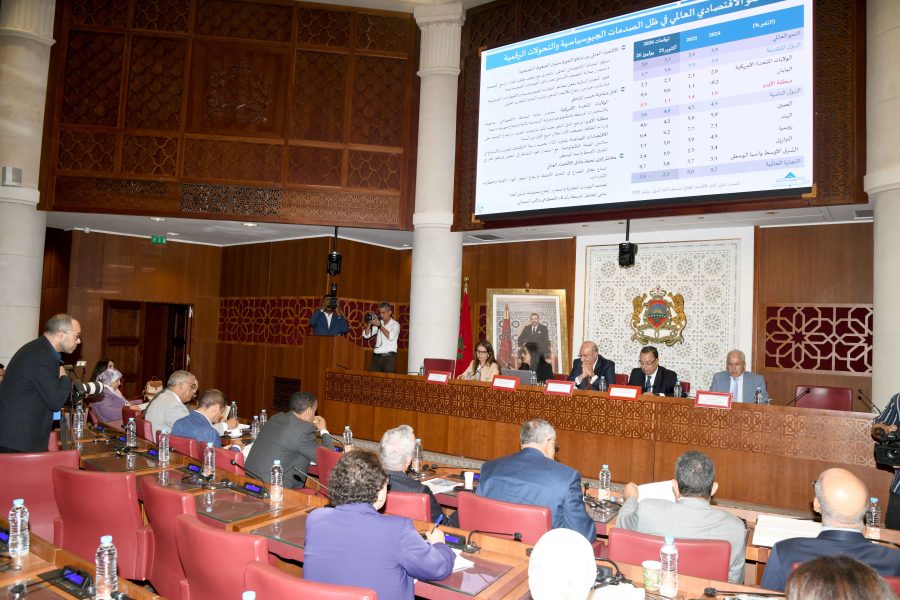
Morocco’s government on Wednesday unveiled the fiscal framework intended to guide the 2027 Finance Bill, targeting a budget deficit of 3% of gross domestic product through 2029 while continuing to finance social programs, reduce public debt and sustain public investment.
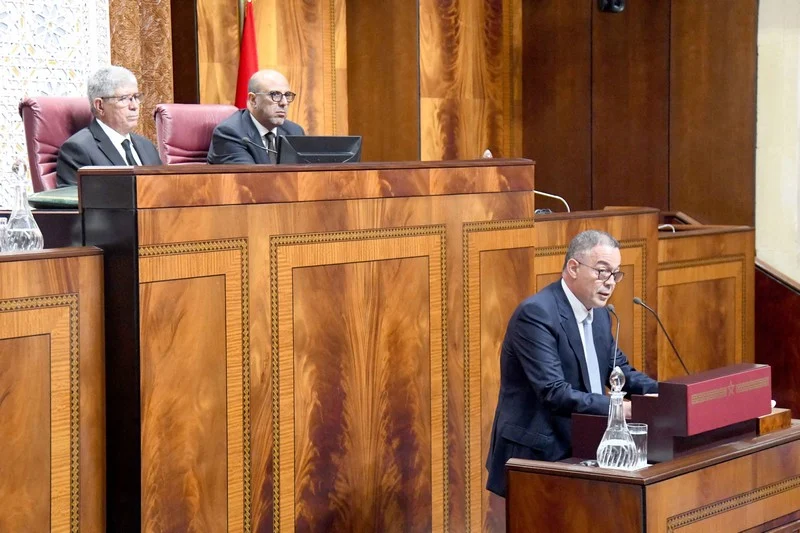
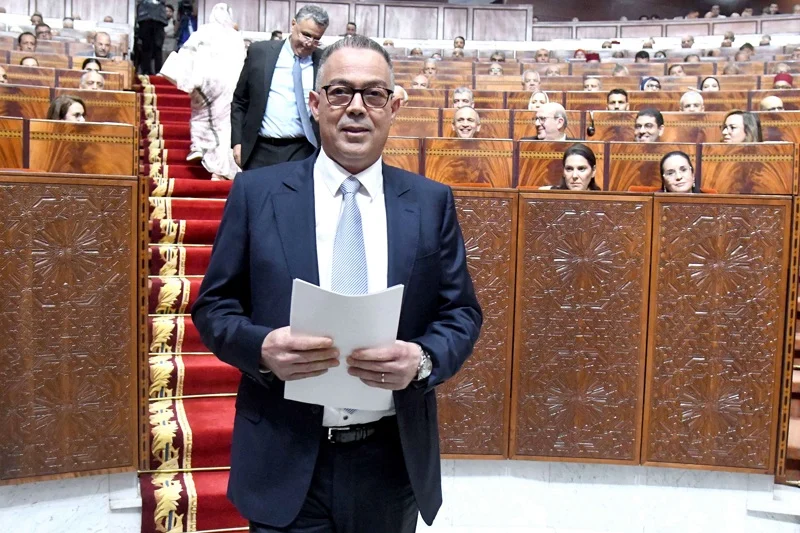
The framework was presented by Economy and Finance Minister Nadia Fettah to a joint parliamentary finance committee ahead of legislative elections scheduled for September, after which a new government will be responsible for preparing and implementing the 2027 budget.
Fettah said the government’s medium-term strategy aims to preserve macroeconomic stability despite continued global uncertainty, including geopolitical tensions in the Middle East, while maintaining investment and advancing Morocco’s social state agenda.
Economy outperforms expectations
The minister said Morocco has raised its economic growth forecast for 2026 to 5.3%, above the assumptions underpinning the current Finance Law, citing a recovery in agriculture and continued expansion in industrial and services activity.
Agricultural value added is now expected to grow by 15.1% this year, while inflation averaged 0.4% during the first half of 2026 and is projected to reach around 1.5% by year-end before stabilising near 2% in 2027.
Fettah also pointed to continued growth in automotive and aerospace exports, tourism receipts of 53.8 billion dirhams through the end of May, resilient remittances from Moroccans living abroad and sustained foreign direct investment, which have helped maintain foreign exchange reserves covering more than seven months of imports.
Budget execution on track
Current government revenues exceeded 225 billion dirhams by the end of June, representing 52% of annual targets, supported by stronger-than-expected tax receipts, Fettah said.
Corporate income tax revenue increased on the back of improved company earnings and higher voluntary payments, while domestic value-added tax receipts continued to benefit from stronger economic activity and withholding mechanisms. Import-related taxes also rose as domestic demand and imports remained resilient.
The government collected around 7 billion dirhams in revenues from state-owned enterprises, including 4.2 billion dirhams from Bank Al-Maghrib and 2.5 billion dirhams from the National Agency for Land Conservation, Cadastre and Cartography. It also raised 10 billion dirhams through innovative financing instruments.
Public spending continued to finance commitments under the social dialogue agreement, direct social assistance, the expansion of social protection and public investment, which reached around 60 billion dirhams during the first half of the year.
The budget deficit narrowed by 6.7 billion dirhams compared with the same period last year to around 24 billion dirhams by the end of June, putting the government on course to meet its full-year target of 3% of GDP.
Debt to decline
Fettah said Treasury debt had fallen to 66.6% of GDP by the end of 2025, down 5.6 percentage points from its pandemic-era peak in 2020, and is projected to decline further to around 63% by 2029.
She said the International Monetary Fund had highlighted the sustainability of Morocco’s debt during its 2026 Article IV consultation, citing the country’s largely domestic investor base and the sound structure of its debt portfolio.
The government expects to maintain the average maturity of Treasury debt at around eight years while relying primarily on the domestic market to finance borrowing needs.
Priorities for the next budget
The fiscal framework foresees continued implementation of universal social protection, healthcare and education reforms, and the national employment roadmap.
The government also plans to accelerate investment in water security through dams and desalination plants, continue major infrastructure projects linked to upcoming international sporting events, expand renewable energy and green hydrogen projects, and pursue regional development programmes aimed at reducing territorial disparities.
The medium-term projections assume butane gas prices of around $500 per tonne and inflation of about 1.6%, while maintaining the budget deficit at 3% throughout the 2027-2029 period and gradually reducing public debt.






add your comment
Terms of publication : Not to offend the writer, people, sacred things, or attack religions or the divine self, and refrain from racist incitement and insults.