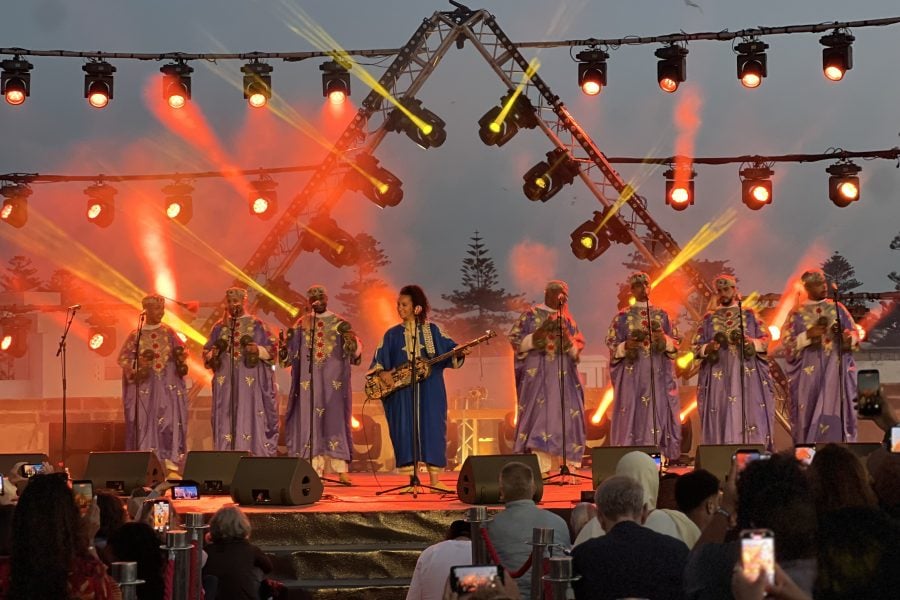
A woman playing the guembri and leading a Gnaoua troupe was once a rarity in Morocco, but an increasing number of female artists are carving out a place in a musical tradition long dominated by men.
From leading lilas (traditional Gnaoua spiritual nights) to forming their own troupes and performing internationally, women are becoming an increasingly visible part of Morocco’s Gnaoua scene.
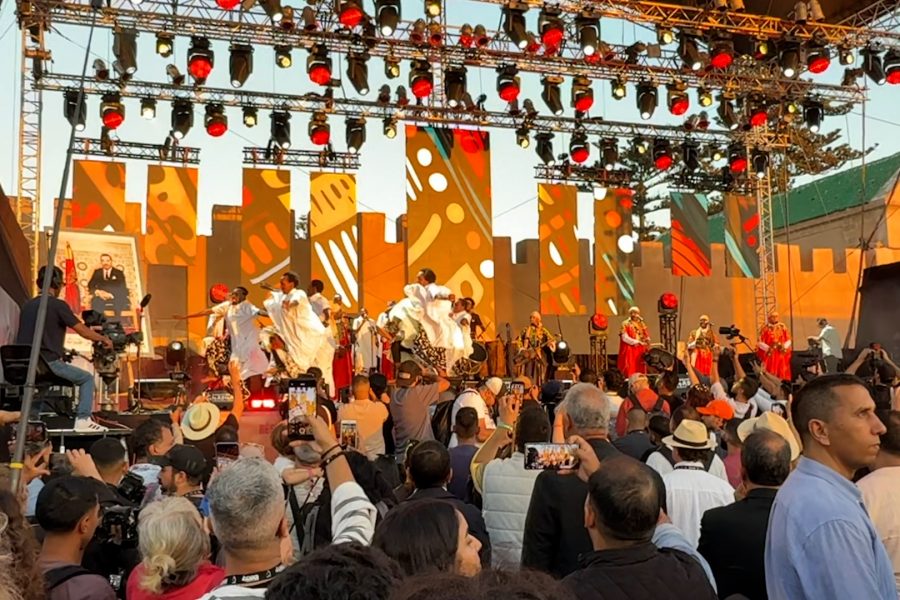
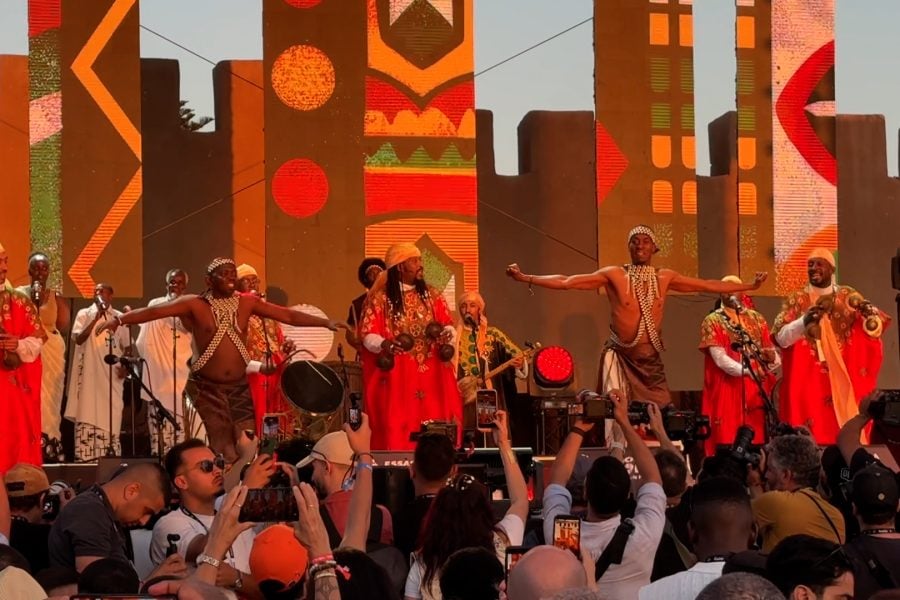
Their growing presence was on display during the 27th Gnaoua and World Music Festival, held in Essaouira from June 25 to 27, where female performers featured in the lineup and attracted large crowds.
Among them was Hind Ennaira, an Essaouira native who left a career as a professional basketball player to become a maalema, the title given to a Gnaoua master.
“Gnaoua music really drew me in, and I found peace in it,” Ennaira told Hespress English.
Now participating in the Gnaoua Festival for the fourth time, Ennaira said she began exploring the tradition in 2016 out of curiosity before eventually forming her own troupe in a field where women remain underrepresented.
“Women have shown they are capable of succeeding in every field, so why not Gnaoua as well?” she said.
Her path, however, was not without challenges.
While Ennaira said she found encouragement from younger Gnaoua enthusiasts and several established maalems, some people remained reluctant to accept a woman in the role.
“There was some criticism, but I do not pay attention to it,” she said. “Gnaoua is for everyone.”
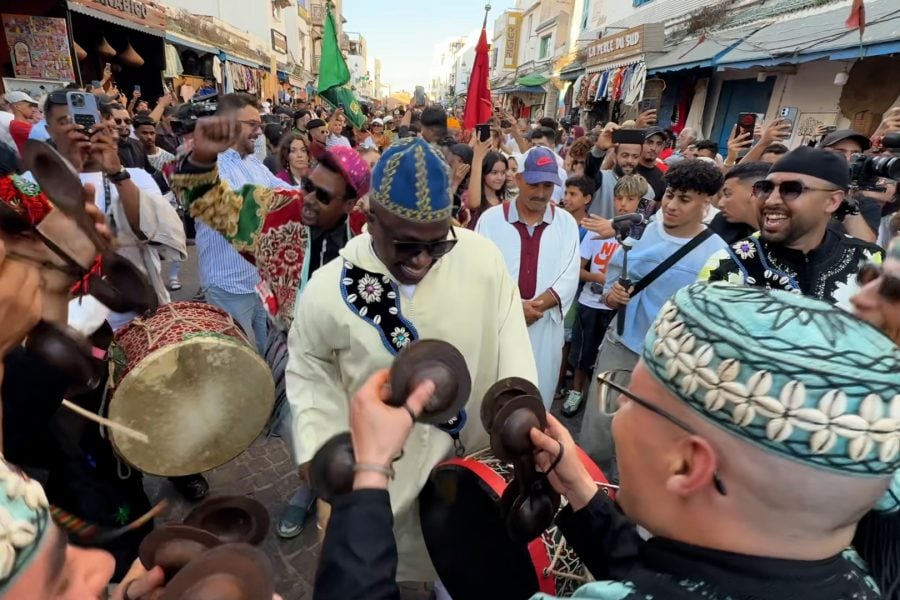
The festival’s traditional opening parade reflected that gradual shift, with several women marching alongside male performers, carrying guembris and krakebs while joining in the music, singing and dancing.
Although men continue to dominate the centuries-old tradition, the growing participation of female performers signals a gradual transformation, as younger generations challenge longstanding norms while working to preserve one of Morocco’s most distinctive musical and spiritual heritages.





add your comment
Terms of publication : Not to offend the writer, people, sacred things, or attack religions or the divine self, and refrain from racist incitement and insults.