
Morocco’s Direct Social Support Program has distributed 51 billion dirhams ($5.1 billion) to beneficiary households since its launch in December 2023 through the end of 2025, reaching 3.9 million families, 5.5 million children and more than 1.7 million elderly people, according to the first annual report of the National Agency for Social Support.
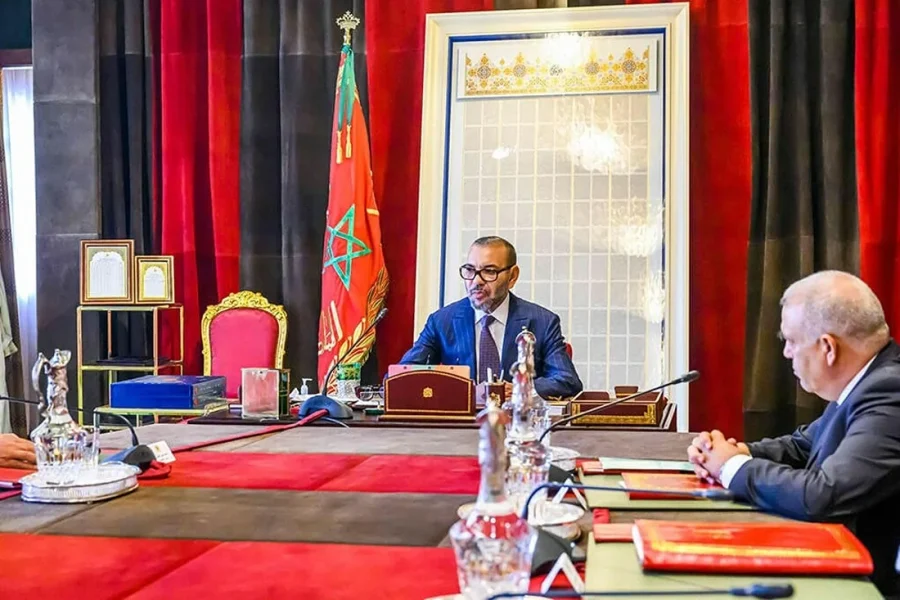
The agency said the program’s annual budget represents about 2% of Morocco’s gross domestic product, exceeding the 0.5% to 1.5% range typically observed in developing countries. The report, submitted to King Mohammed VI, described the program as a significant component of Morocco’s broader social protection strategy.
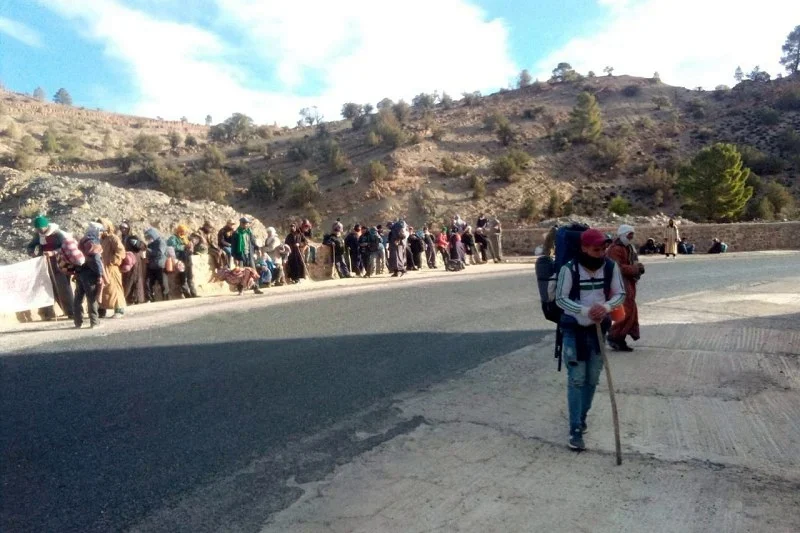
According to the report, 60% of beneficiaries live in rural areas. The agency noted a strong correlation between the geographic distribution of recipients and areas affected by multidimensional poverty, saying the results demonstrate the effectiveness of Morocco’s Unified Social Registry in directing assistance toward the country’s most vulnerable populations.
To better understand the needs of recipients, the agency developed an analytical framework that groups beneficiaries according to household composition and socioeconomic characteristics. The largest category, described as “emerging families,” comprises about 1.2 million households.
Other categories include nearly 986,000 families considered to be “at a crossroads,” 946,000 households classified as “life companions,” 584,000 “empty nest” households and approximately 156,000 individuals without family support.
The report said implementation of the program unfolded in two distinct phases. During the initial rollout between December 2023 and February 2024, authorities received 2.33 million applications in the first month alone. By February 2024, the number had risen to 4.1 million applications, representing nearly three-quarters of all requests submitted during the period.
A second phase, spanning 2024 and 2025, was characterized by a steadier flow of applications, averaging between 35,000 and 50,000 per month. More than 5.4 million applications ultimately met eligibility requirements.
The proportion of approved applications increased from 45.5% at the outset of the program to 91.9% by the end of 2025, reflecting greater public familiarity with eligibility criteria and administrative procedures.
An impact assessment conducted 18 months after the program’s launch found high levels of beneficiary satisfaction. According to the agency, nine out of 10 respondents expressed overall satisfaction with the initiative, while seven out of 10 cited the regularity of payments and the simplicity of the registration process as major strengths.
The study found that most recipients used the financial support to cover essential needs. Food accounted for the largest share of spending at 58.6%, followed by health care at 13.3%, housing at 13.2% and education at 7%.
The report also highlighted the program’s role in reducing economic insecurity. About 87% of surveyed beneficiaries said their financial anxiety had declined after receiving support, while many reported being able to repay debts and better withstand unexpected financial shocks. Nearly half of respondents said they felt more resilient in the face of economic difficulties.
Beyond direct assistance, the findings point to a strong demand for long-term economic opportunities. Forty percent of beneficiaries expressed interest in support aimed at facilitating access to employment, while 60% said they would be willing to forgo the benefit entirely in exchange for stable work. The survey also found that 77% of respondents hoped to secure a university education for their children.
The agency said it is working to strengthen its local presence through a territorial expansion strategy. In December 2025, it opened its first pilot regional office in El Jadida, a move aimed at transforming direct financial assistance into a broader tool for social and economic inclusion.
Officials said the initiative is intended to improve coordination with local stakeholders and develop support mechanisms tailored to the realities of beneficiary communities.
Established under Law No. 59.23, the agency works closely with national institutions, including the Mediator Institution of the Kingdom and the National Human Rights Council, particularly in handling citizen complaints and monitoring program implementation.
It has also expanded international partnerships through cooperation agreements with the World Bank, the European Union and UNICEF to support Morocco’s broader social protection and human development objectives.





add your comment
Terms of publication : Not to offend the writer, people, sacred things, or attack religions or the divine self, and refrain from racist incitement and insults.