In politics, timing matters. But increasingly, so does format.
For decades, governments across the world relied on the same traditional rituals to present their achievements: parliamentary speeches, lengthy reports, official communiqués, and carefully staged press conferences.
But in 2026, political communication faces a new reality: citizens,especially younger generations, consume information differently.
This is precisely why Aziz Akhannouch’s latest move deserves attention beyond partisan politics.
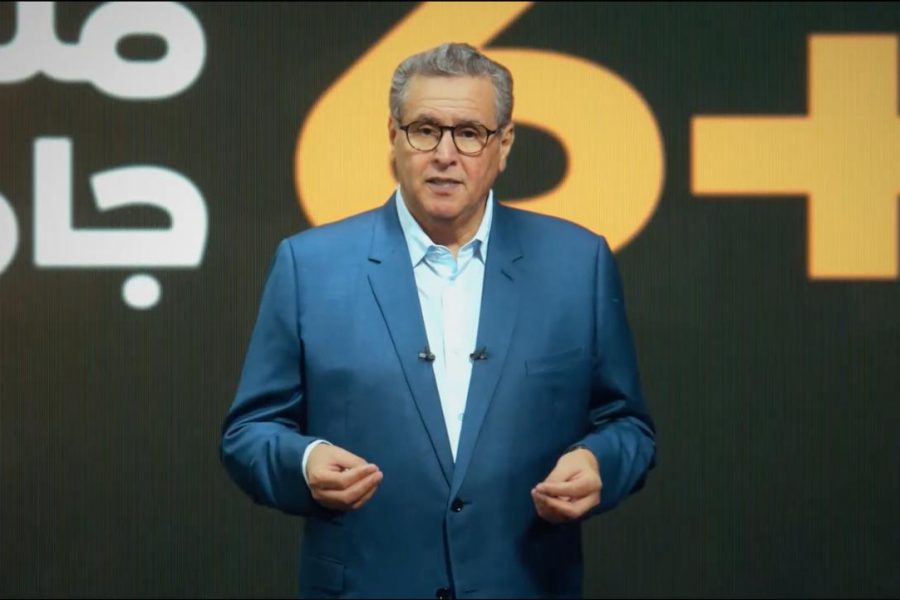
After presenting the government’s record before both chambers of Parliament, and after publishing a comprehensive book detailing the administration’s achievements, Akhannouch chose an entirely different approach on Monday evening: a concise 25-minute video directly addressing Moroccans.
The message itself was not necessarily new. The format was.
From social protection reforms to economic growth figures, from healthcare restructuring to investment dynamics, the Chief of Government attempted to translate years of public policy into a language accessible to ordinary citizens, particularly young people who rarely follow parliamentary sessions or read institutional reports.
And that matters.
Because one of the greatest challenges facing democracies today is not only policy implementation, but political transmission: how do governments explain complex reforms to a generation raised on short-form content, mobile screens, and instant information?
The truth is simple: many young citizens no longer have the time, patience, or interest to sit through hours of parliamentary debate. Nor are they naturally drawn to dense political documents, however important those documents may be.
This does not mean younger generations reject politics. It means politics must learn how to speak their language.
Akhannouch’s video reflects an understanding of this transformation. Rather than waiting for traditional media filters to summarize government action, he chose direct communication. Rather than relying exclusively on formal political discourse, he embraced a more simplified and visual narrative.
Some critics may dismiss this as “political marketing.” But modern governance cannot ignore communication realities. In an age dominated by algorithms, attention spans, and digital platforms, the failure to communicate effectively creates a dangerous vacuum, one quickly filled by misinformation, populism, and emotional narratives detached from facts.
By choosing this format, Akhannouch appears to be inaugurating a more direct and simplified era of political communication,one that seeks to bridge the widening gap between institutions and younger citizens.
Whether one agrees with the government or not, the initiative reflects something that has increasingly defined Aziz Akhannouch’s political method: the desire to bring public action closer to citizens and to explain reforms in a direct, accessible, and concrete way.
For Akhannouch, accountability is not limited to institutional exercises inside Parliament or official documents placed on shelves. It is also about making government action understandable to ordinary Moroccans, particularly younger generations who consume politics differently from previous eras.




add your comment
Terms of publication : Not to offend the writer, people, sacred things, or attack religions or the divine self, and refrain from racist incitement and insults.