
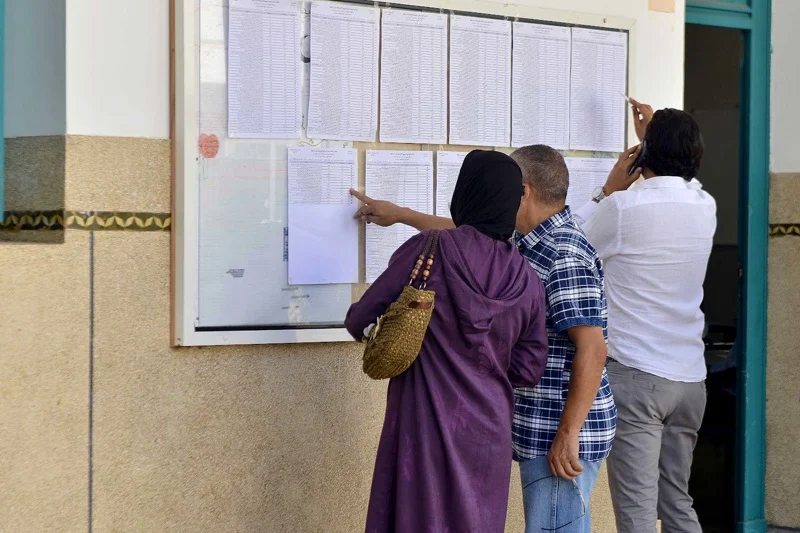
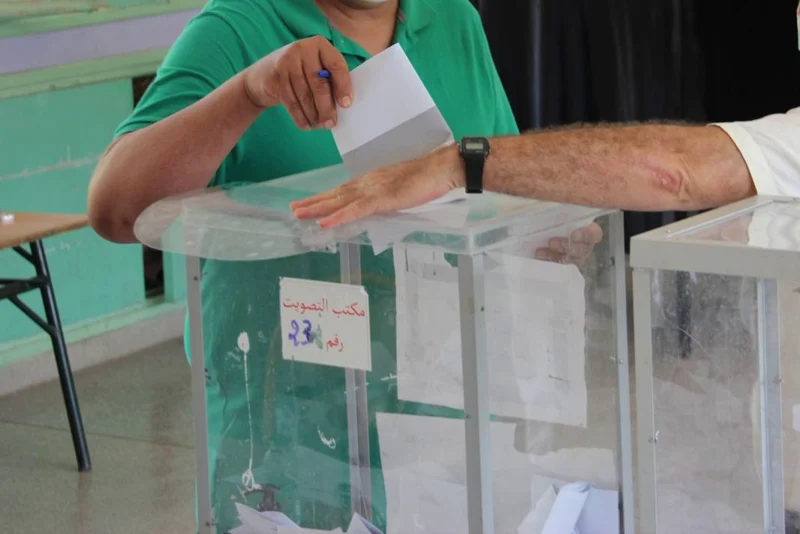
More than 16.8 million Moroccans were registered on the country’s electoral rolls by the end of March, according to updated Interior Ministry figures released ahead of parliamentary elections scheduled for Sept. 23, but young voters continue to represent only a small fraction of the electorate.
The data showed that citizens aged 18 to 24 accounted for just 3 percent of registered voters, highlighting a persistent gap in youth political participation despite repeated state and party campaigns encouraging registration and turnout.
Men represented 54 percent of registered voters compared with 46 percent for women, while 55 percent of the electorate was concentrated in urban areas, reflecting Morocco’s continuing rural to urban demographic shift.
Older voters continue to dominate the electoral base.
Citizens aged 60 and above represented the largest segment at 30 percent, followed by voters aged 45 to 54 at 22 percent and those between 35 and 44 at 21 percent.
By contrast, voters aged 25 to 34 accounted for only 15 percent of registered voters despite representing a much larger share of Morocco’s overall population.
The figures come as Morocco opened an exceptional voter registration period running from mid May through June 13 for citizens turning 18 before election day, as well as for voters seeking to transfer registration between districts.
The issue of low voter registration, particularly among younger Moroccans, has become a growing concern ahead of the 2026 legislative elections, with officials and political parties increasingly focused on participation rates and electoral legitimacy.
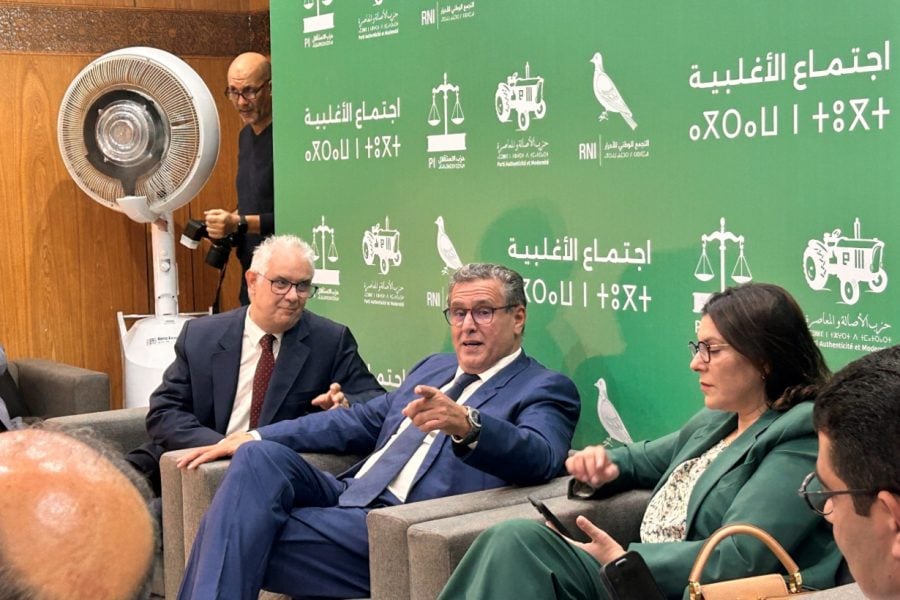
According to party sources, the Interior Ministry recently held meetings with political parties and public media officials to coordinate awareness campaigns aimed at encouraging voter registration and rebuilding confidence in the electoral process.
Millions of Moroccans eligible to vote are still believed to remain outside electoral rolls.
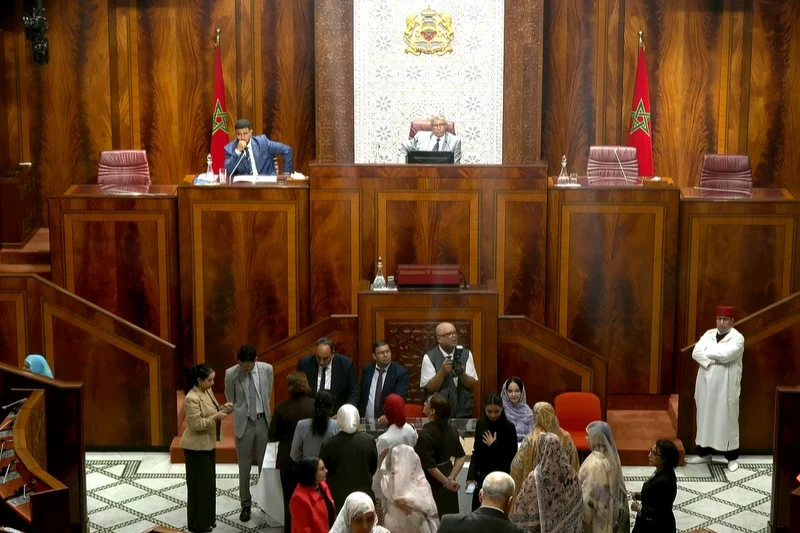
The Sept. 23 vote will elect members of Morocco’s House of Representatives at a time when the country is entering a politically sensitive period shaped by major state projects tied to the 2030 World Cup, economic pressures and debates over political representation and institutional trust.



add your comment
Terms of publication : Not to offend the writer, people, sacred things, or attack religions or the divine self, and refrain from racist incitement and insults.