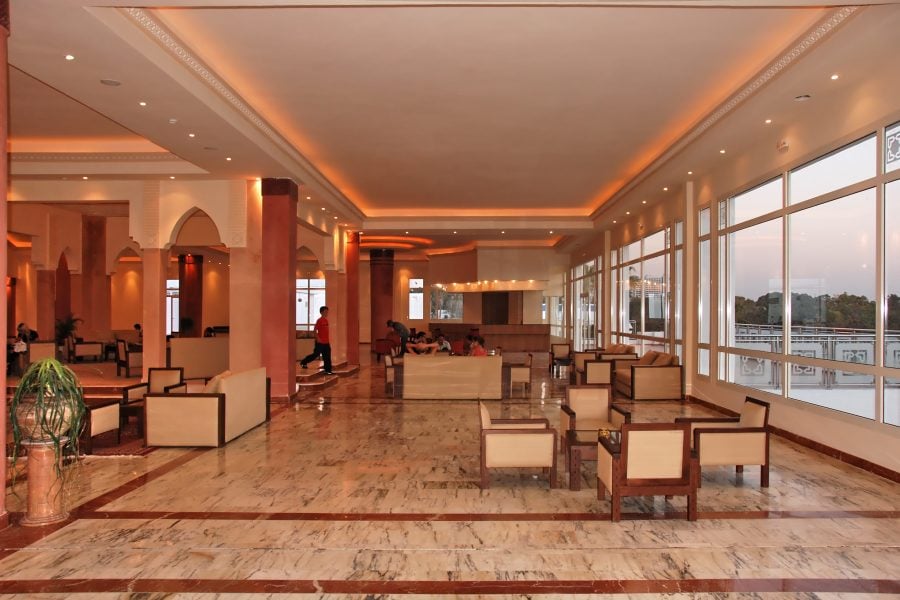
They will check in anonymously, test room service, inspect bathrooms, rate reception staff and leave without revealing who they are. Starting this month, Morocco is deploying “mystery guests” across roughly 2,500 hotels, riads and tourist residences as authorities try to close the gap between record visitor growth and uneven service quality ahead of 2030.
The inspections, launched in May under Law 80-14, mark the biggest overhaul of Morocco’s hotel classification system in years. Until now, star ratings largely depended on infrastructure such as room size, pools and facilities. The new framework shifts the focus toward the actual guest experience under real stay conditions.
Inspectors will quietly evaluate the full customer journey, including reservations, check-in speed, staff behavior, cleanliness, dining, entertainment facilities and checkout procedures. Evaluation grids published in the Official Bulletin contain between 235 and 387 criteria depending on the category of establishment.
The reform comes as Morocco’s tourism industry moves from recovery into scale. The country received 19.8 million tourists in 2025, a record figure authorities say puts growth well above the global average, while the state targets 26 million annual visitors by 2030.
That surge has increased pressure on consistency across the hospitality sector, particularly as Morocco prepares to co-host the 2030 FIFA World Cup and expands its appeal beyond traditional resort tourism into riads, kasbahs and boutique stays.
The inspections apply to establishments rated three stars and above, including hotels, hotel clubs, guesthouses and tourist residences. Classification will no longer be permanent: hotels will be reassessed every five years after an initial seven-year period, with repeated controls tied directly to renewal.
Hotels failing to meet standards will be required to correct shortcomings before classification decisions are finalized. Industry operators broadly support the reform, though some have raised concerns about consistency and the pressure the new standards place on staffing and training.
Alongside the controls, authorities are backing hotel upgrades through subsidized financing programs and encouraging operators to adopt digital services such as mobile check-in and faster booking systems.







add your comment
Terms of publication : Not to offend the writer, people, sacred things, or attack religions or the divine self, and refrain from racist incitement and insults.