
Artificial intelligence and digital technologies are no longer future concepts but part of everyday life, fundamentally transforming how people communicate, work and access services, according to Amina Bouayach, head of the National Human Rights Council.
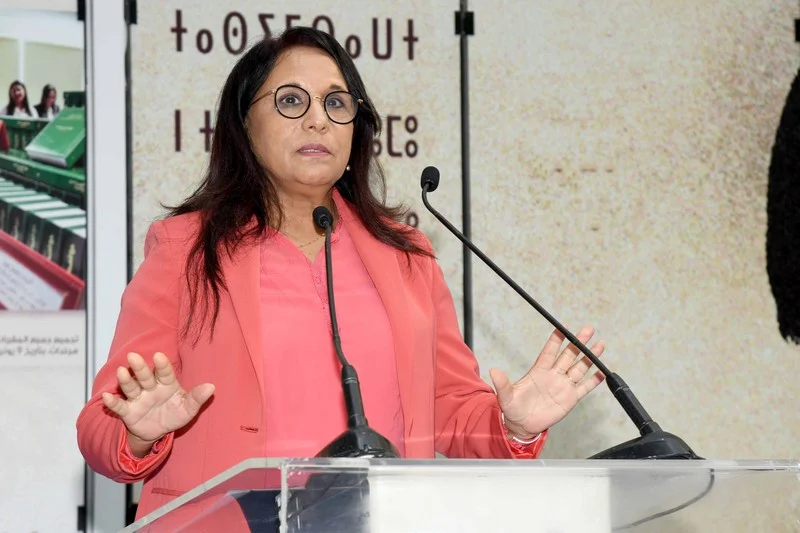
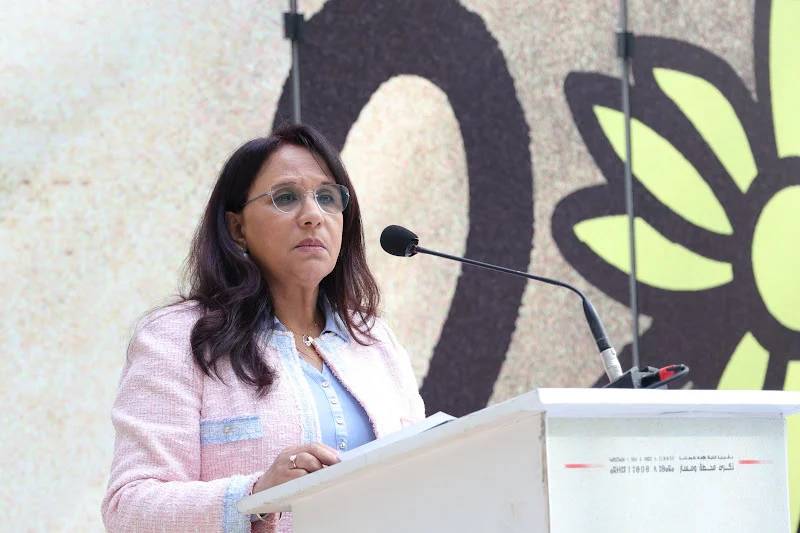
Speaking during a conference held as part of the 31st International Publishing and Book Fair, Bouayach said these technologies are also reshaping how individuals exercise their rights — and how those rights may be restricted.
“Artificial intelligence represents an opportunity to improve access to rights, make public services more efficient and strengthen inclusion,” she said in remarks delivered via video. “But it can also deepen inequalities, weaken freedoms and expose individuals to new risks.”
The conference, titled “Artificial Intelligence as a Lever for Culture and Development,” brought together experts to discuss the societal impact of emerging technologies.
Bouayach raised what she described as a fundamental question facing societies: whether to passively adapt to technological change or actively shape and guide it.
“This is not a technical question; it determines the future of rights,” she said, stressing that human rights are universal and must apply equally in digital environments and AI systems.
She emphasized that human dignity must remain the guiding principle at every stage, from the design of technologies to their practical use.
While highlighting AI’s vast potential, Bouayach warned of serious risks, including the spread of misinformation, which threatens freedom of expression and the enjoyment of rights, as well as deepfake technologies that blur the line between truth and falsehood.
She also pointed to algorithmic bias as a key concern, noting that such systems can reproduce or amplify existing forms of discrimination.
“Our concern as human rights actors is that there must be no threshold beyond which technology can infringe on human dignity,” she said.
Bouayach called for a collective approach to addressing these challenges, urging the integration of human rights safeguards from development through implementation, and highlighting the role of national institutions in this process.
“We are not here to hinder innovation,” she added. “Our role is to ensure it respects rights and freedoms, prevent risks, protect individuals and promote responsible use.”
She concluded by describing the current moment as pivotal, warning that while innovation can serve as a driver of culture, rights and development, it can also undermine them if not properly governed.
“It is not technology that will decide our future,” she said. “It is up to us to make the right choices and guide these transformations in the service of dignity, justice and inclusion.”




add your comment
Terms of publication : Not to offend the writer, people, sacred things, or attack religions or the divine self, and refrain from racist incitement and insults.