
A proposed law in Morocco would ban children under 13 from accessing online gaming platforms and impose parental controls for teenagers, as debate grows over the impact of digital gaming on minors.
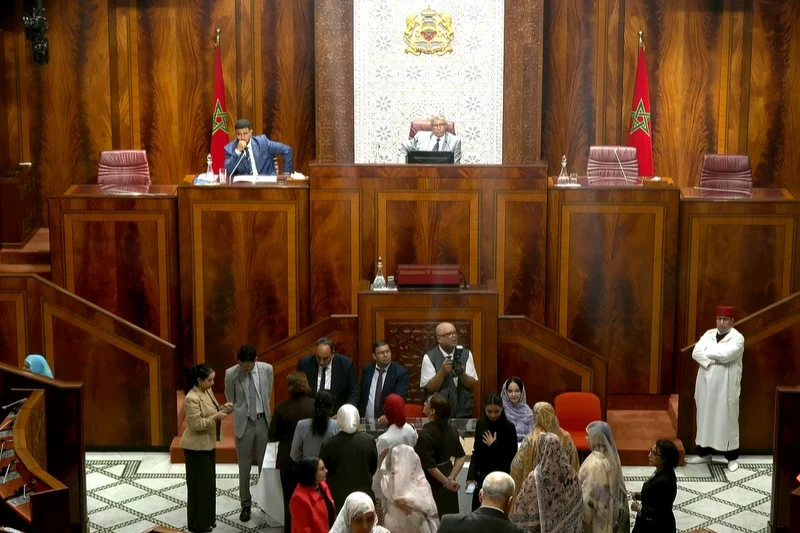
The bill, submitted by the Progress and Socialism group in the House of Representatives, reflects growing concern over how children and teenagers use gaming platforms and online chat services.
Who would be affected?
The draft law would prohibit children under 13 from creating accounts on online gaming platforms. Teenagers aged 13 to 18 would be allowed access only under mandatory parental supervision.
The proposal defines “young users” as anyone under 18, while “online gaming platforms” include any digital service offering games or online communication, whether free or paid. A legal guardian is defined as a parent or any adult legally responsible for the child, including caregivers.
The bill states that the rules would apply to all gaming platforms accessible from Morocco, regardless of the type of internet connection, and to minors living in the country.
If adopted, the law would hold parents or guardians responsible for accounts created under their supervision and expose them to penalties if violations occur.
Enforcement and platform obligations
The draft law requires platforms to implement reliable age-verification systems to prevent minors from bypassing restrictions. The National Telecommunications Regulatory Agency would oversee compliance.
Platforms would also be required to provide parental control tools allowing guardians to monitor activity, limit screen time, restrict content and suspend or delete accounts.
Parents would have the right to request that internet service providers block specific websites or platforms, and providers would be required to comply within 24 hours.
The proposal also calls for stricter classification of video games by age group and bans violent or inappropriate content for young users.
Penalties
Violations of the proposed law would be subject to penalties outlined in the legislation and in existing criminal law.
Under the draft, legal guardians could be held responsible if a child is harmed due to access to inappropriate or unsafe online content without adequate supervision, as determined by the National Telecommunications Regulatory Agency.
In cases of repeated violations, a judge could order the suspension of internet service at the household level.
Internet service providers that fail to enforce restrictions would first receive a warning. Repeated violations could result in fines ranging from 100,000 to 1 million dirhams, along with possible suspension or blocking of services in Morocco.





add your comment
Terms of publication : Not to offend the writer, people, sacred things, or attack religions or the divine self, and refrain from racist incitement and insults.