
42% of employees in Morocco’s public and private sectors say they have shared sensitive work documents with artificial intelligence tools outside their employer’s control, according to a new study addressing the fast-growing workplace risks tied to AI use.
The findings come from a survey by cybersecurity firm Kaspersky and consulting group Averty, which polled 310 workers across Morocco. The report shows AI adoption is spreading quickly in offices, but rules and training are lagging behind.
Among those sharing data, workers reported uploading email content or internal messages (35%), detailed professional information (35%), and work-related screenshots (30%).
Nearly 19% said they also shared financial documents, performance indicators, or Excel files.
The study says these numbers show a growing gap between everyday use of AI and formal company oversight.
57% of respondents said they already use AI tools in their jobs. Many rely on them to draft text, summarize documents, or speed up routine tasks, often without official guidance from their employers.
Use is also frequent as 84% said they use AI at least several times per week. That includes 43% who use it daily and 41% who use it multiple times weekly.
Only 16% reported using it about once a month or less, suggesting AI has quickly become part of normal office habits.
When it comes to confidence in AI tools, about 91% of workers said they trust AI outputs, with 31% calling them “very reliable” and 60% saying “somewhat reliable.”
The study warns that this high trust may lead employees to rely on AI even when handling sensitive material.
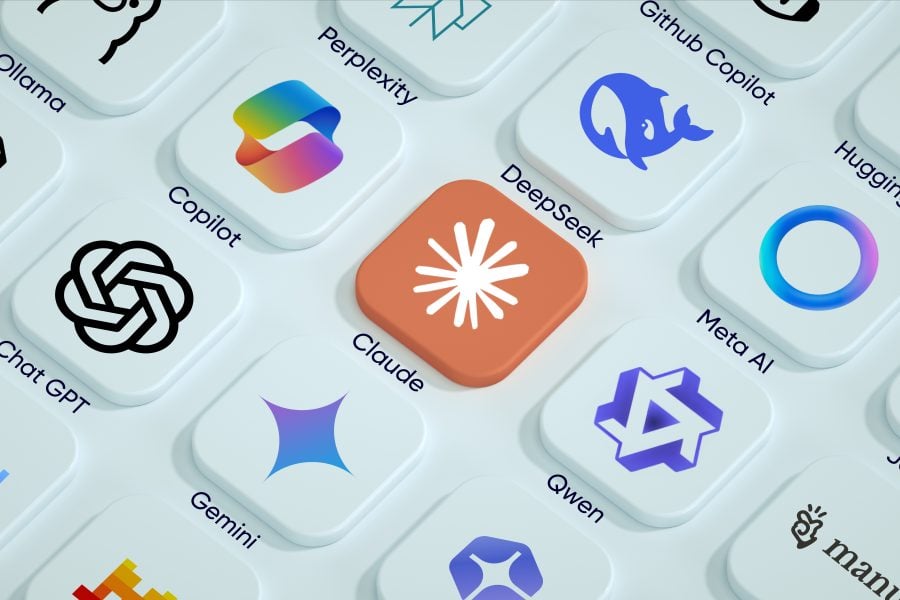
The most widely used tool is ChatGPT, used by 84% of respondents. It is followed by Google Gemini at 63%, and Microsoft Copilot at 23%. Other tools include Perplexity AI at 16%, Claude at 12%, and image-generation tools at 11%.
Researchers say the rapid spread of AI in Moroccan workplaces is being driven more by individual initiative than by company policy. Many organizations still lack clear rules on what data can be used with external AI systems.
The report says that companies need stronger guidelines, better staff training, and tighter data protection systems. Without those safeguards, it warns, efficiency gains from AI could come with growing exposure of sensitive information.







add your comment
Terms of publication : Not to offend the writer, people, sacred things, or attack religions or the divine self, and refrain from racist incitement and insults.