
Morocco is expected to post economic growth of 5.6% in 2026, according to projections by Bank Al-Maghrib, with economists broadly backing the forecast while warning of persistent external risks.
The anticipated expansion is driven largely by a strong agricultural season following abundant rainfall, with cereal output projected at around 82 million quintals. This is expected to provide a significant internal boost to the national economy, alongside steady performance in non-agricultural sectors and improving institutional confidence.
Economist Abderrazak El Hiri said Morocco is currently experiencing its highest growth pace in years, noting that the central bank estimates growth of 4.8% in 2025 before rising to 5.6% in 2026 and easing to 3.5% in 2027 under the assumption of an average harvest.
“The strong rebound in 2026 is mainly attributed to an exceptional agricultural season,” he stated in a statement to Hespress AR, pointing to nearly 4 million hectares of cultivated land and robust cereal production forecasts.
Non-agricultural sectors are also maintaining stable growth of about 4.5%, supported by infrastructure investments and large-scale development projects, he added.
Morocco’s access to a $4.5 billion flexible credit line is seen as a key safeguard against global uncertainty, particularly amid geopolitical tensions linked to the Middle East war.
El Hiri said the facility acts as a “protective shield” for macroeconomic stability, noting it is granted only to countries meeting strict criteria on fiscal discipline, monetary policy and statistical transparency.
However, analysts caution that strong agricultural performance does not eliminate the impact of rising energy costs.
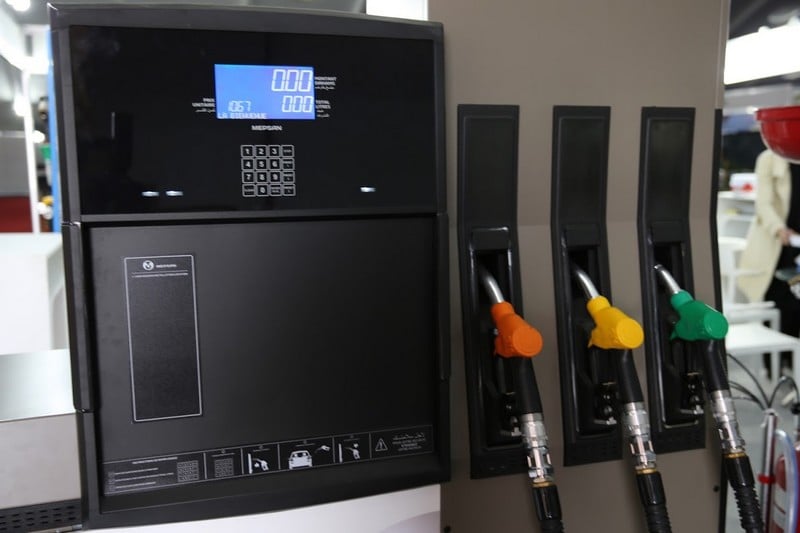
Mohamed Adel Ichou said the improved outlook helps offset, but not fully absorb, the effects of higher fuel prices.
“Good agricultural news does not mean the disappearance of energy risks,” he tells Hespress AR. “It simply provides an internal buffer that partially absorbs external shocks.”
Foreign exchange reserves are projected to reach 482 billion dirhams by 2027, covering about 5.5 months of imports, offering additional resilience. Yet Ichou warned that such reserves stabilize macroeconomic balances without necessarily shielding households from rising costs, particularly for fuel.
Economists agree that Morocco’s economic outlook reflects a balance between stability and vulnerability. While institutional tools such as credit lines and foreign reserves provide safeguards, structural challenges remain.
These include dependence on rainfall, which causes fluctuations in agricultural output, and exposure to global energy prices—factors that continue to test the resilience of the economy.
Analysts say sustaining growth will require deeper fiscal reforms, strengthened energy security and greater attention to social equity, particularly to protect household purchasing power from global market volatility.





add your comment
Terms of publication : Not to offend the writer, people, sacred things, or attack religions or the divine self, and refrain from racist incitement and insults.