A sustained rise in global jet fuel prices is increasing financial pressure on airlines operating in Morocco and could feed through into higher air fares in the coming period, economists and industry observers said, as energy market volatility and stronger demand for strategic fuels weigh on the aviation sector.
A source familiar with the matter said jet fuel remains one of the main components of airline operating costs, typically accounting for between 15% and 30% of total expenses. In some cases, the source said, fuel costs can exceed spending on human resources, making any increase in kerosene prices a direct driver of higher operating costs.
Economist Mohammed Jadri said the impact of rising energy prices on airlines was expected given the sector’s heavy dependence on fuel, but added that fare increases should be kept in perspective.
In comments to Hespress, Jadri said the price of an airline ticket is not determined by fuel alone. Labour costs, airport usage fees, taxes imposed by destination countries, aircraft maintenance and wear over time also shape final pricing, he said.
Jadri said energy costs can in some cases account for close to 30% of the final ticket price. If oil prices stabilise around $100 a barrel, the resulting increase in ticket prices could range between 7% and 10% at most, he said.
Even so, Jadri said such an increase was unlikely to become a real obstacle to tourist arrivals in Morocco, which has emerged in recent years as a major international destination. Morocco received around 19.8 million tourists last year and is expected to welcome between 21 million and 22 million visitors this year, he said.
He added that the large presence of low cost carriers connecting Morocco to several international destinations should help keep fares competitive and could limit the impact of higher jet fuel prices on traffic to the kingdom.
Youssef Guerraoui Filali, economist and president of the Moroccan Center for Governance and Management, said the current rise in kerosene prices was directly linked to geopolitical tensions in strategic regions, particularly the Middle East.
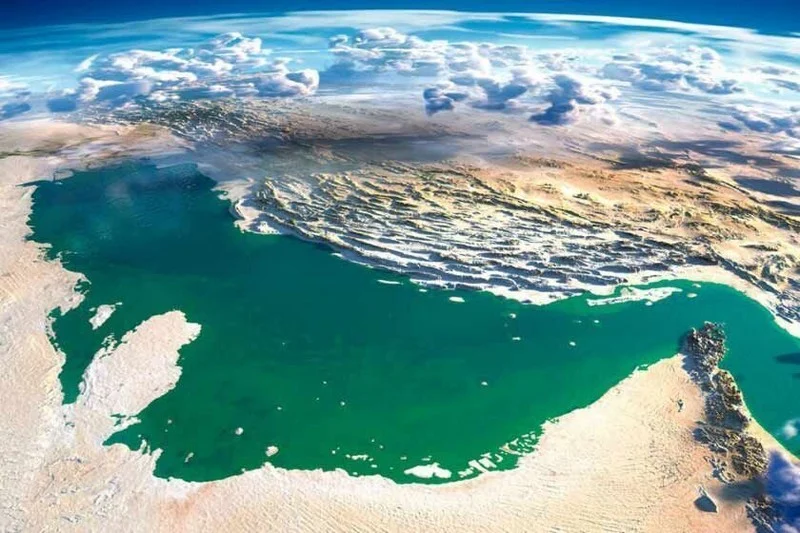
In comments to Hespress, Filali said military and political tensions in the region, including around the Strait of Hormuz, were driving up demand for strategic fuels. Kerosene, a key input for both civil and military aviation, was among the fuels affected, pushing global prices higher and feeding directly into air transport costs, he said.
Filali said higher fuel prices could lead directly to more expensive tickets, prompting some travellers to delay trips or revise travel plans, especially amid geopolitical uncertainty and disruption on some air routes. He added that such conditions could also affect traffic at international airports through pressure on demand and disruption at transit points, influencing travel flows on some routes.




add your comment
Terms of publication : Not to offend the writer, people, sacred things, or attack religions or the divine self, and refrain from racist incitement and insults.