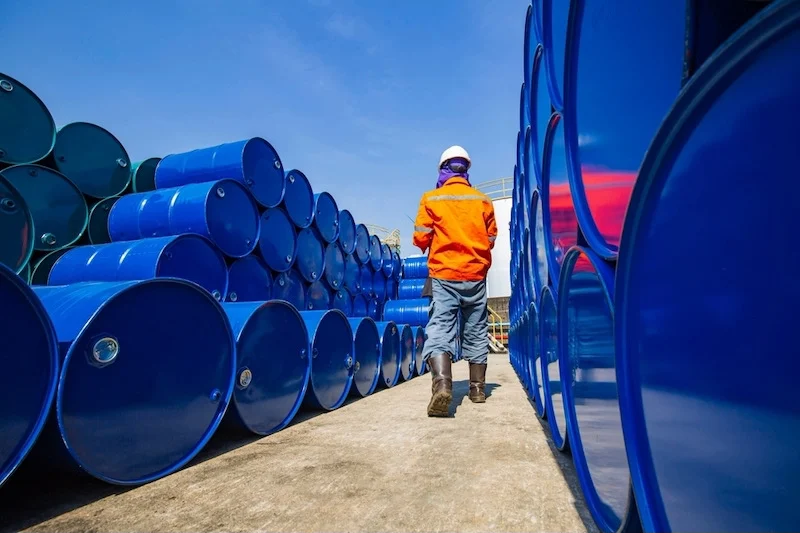
RABAT, Morocco Escalating military tensions in the Middle East are beginning to ripple through global energy markets, pushing fuel prices higher and raising concerns for countries that rely heavily on imported oil and gas.
Analysts say the conflict involving Iran could drive higher fuel prices for consumers and businesses worldwide for weeks or months, even if the fighting that began last week ends quickly. Energy suppliers are expected to face disruptions from damaged infrastructure, logistical bottlenecks and increased shipping risks.
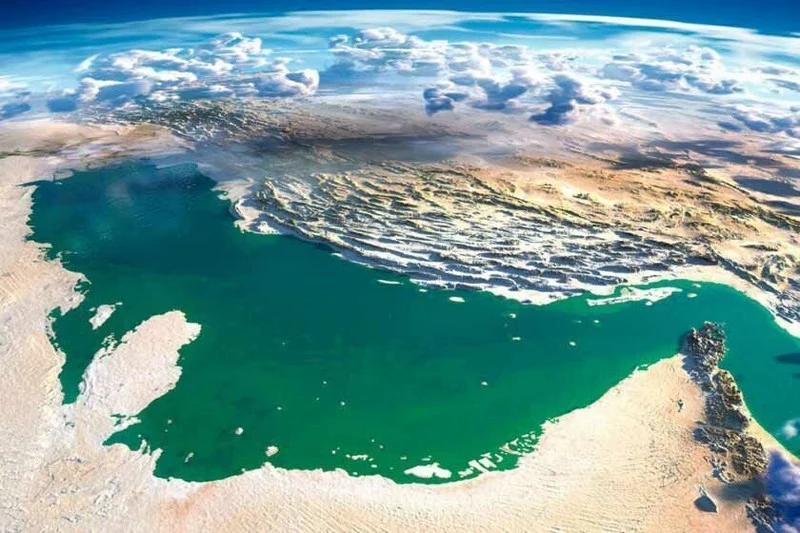
The conflict has already affected global energy flows after Iran targeted vessels in the Strait of Hormuz, a key maritime corridor for oil shipments between the Persian Gulf and global markets.
The strait handles roughly one fifth of global oil trade, making any disruption there a major concern for energy markets.
Global oil prices have risen about 24 percent during the past week amid fears that exports from major Gulf producers could be interrupted.
Saudi Arabia, the United Arab Emirates, Iraq and Kuwait could face difficulties shipping crude if navigation in the strait remains constrained, potentially delaying deliveries to refineries around the world.
In Morocco, officials say domestic fuel supply remains stable despite the global uncertainty.
A source familiar with the sector told Hespress that Morocco’s petroleum reserves are sufficient to cover national demand for roughly 30 days.
The stock includes diesel, gasoline and other refined petroleum products and is considered adequate to ensure uninterrupted supply in the short term, the source said.
Ahlam Qafs, a researcher in economics and management at Ibn Tofail University, said Morocco’s experience managing earlier geopolitical shocks, including the Russia Ukraine war, had strengthened its ability to cope with volatility in energy markets.
She said Morocco’s fuel prices remain closely tied to international markets but are also influenced by the level of strategic reserves available before major crises.
According to Qafs, reserves covering about a month of consumption provide a critical buffer that could allow global markets to stabilize before price increases fully reach the domestic market.
Authorities continue to monitor developments in global energy supply chains and have urged responsible market behavior to maintain stability in the domestic fuel market.






add your comment
Terms of publication : Not to offend the writer, people, sacred things, or attack religions or the divine self, and refrain from racist incitement and insults.