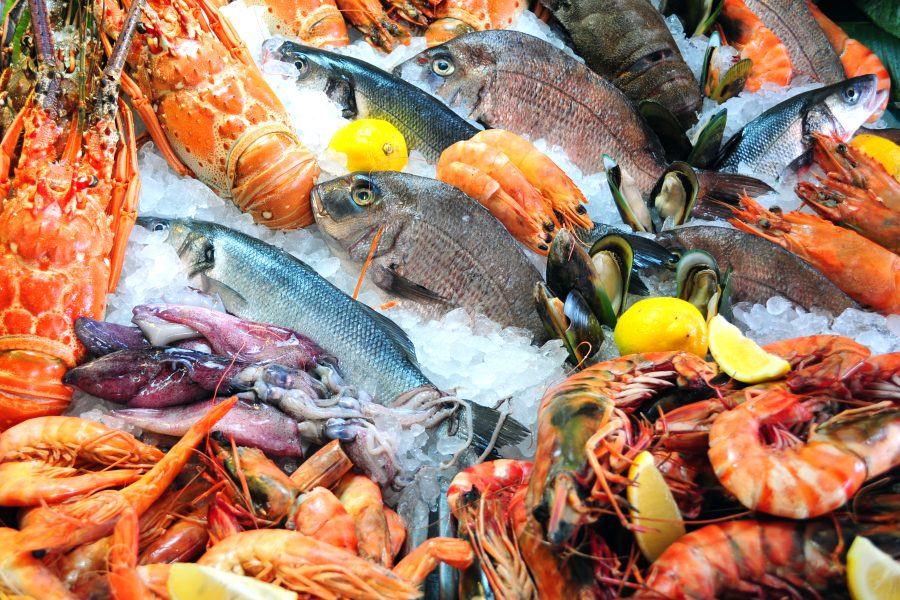
Seafood has long been a staple of Ramadan meals in Morocco, but this year many consumers say supplies are tighter and prices higher as environmental changes and fishing pressures threaten fish stocks.
In Morocco’s southern Atlantic waters, fishermen report that small sardines now dominate catches, with many fish not yet reaching sexual maturity.
The state secretariat in charge of fisheries recently closed small pelagic fishing in the region, citing fluctuations in biomass linked to hydroclimatic factors, particularly temperature changes that affect spawning cycles and stock regeneration.
“The adult sardines have already spawned and migrated. Only the smaller fish are left now,” said Ahmed, a fisheries professional in Laayoune affiliated with the Confederation of Coastal Fisheries.
Attempting to catch these young sardines can result in heavy fines for fishermen, he said.
Authorities say they have taken steps to keep seafood available during Ramadan and prevent sharp price increases despite weather disruptions and temporary slowdowns in fishing activity.
A spokesperson for the fisheries secretariat said fish remain available in national markets, with sardine prices currently ranging between 12 and 25 Moroccan dirhams ($1.20 to $2.50) per kilogram, levels the official described as reasonable compared with previous years.
Earlier last month, the government also restricted sardine exports for one year, a measure covering frozen, fresh and chilled products.
Weather and environmental pressures
Recent floods have also complicated fishing conditions.
Heavy rainfall has caused dams to overflow and release large volumes of water into the sea, carrying mud and sediment that reduce water clarity and disrupt marine habitats.
“While some species thrive in these conditions, most fish cannot survive,” said Fouad Boudina, an industry professional and member of the National Fisheries Association.
Boudina said dam releases near Mehdia and rough weather in several ports have limited fishing trips, sometimes allowing fishermen to go to sea only one or two days per week.
Beyond short-term weather disruptions, scientists say broader environmental shifts are also reshaping Morocco’s marine ecosystem.
“Climate changes are altering the biological rules of the game in the ocean,” said Ayoub Krir, an environmental researcher and president of the Oxygen Association for Environment and Health.
Rising sea surface temperatures increase fish demand for food and oxygen while reducing reproductive success in some species, Krir said, pushing many marine populations toward cooler and deeper waters.
Upwelling currents along Morocco’s Atlantic coast, which bring cold, nutrient-rich water to the surface, are another key factor.
When these currents weaken or arrive later than usual, the supply of plankton declines, disrupting the marine food chain and reducing the abundance of fish species such as sardines, he said.
Demand surge during Ramadan
Environmental pressures are only part of the story.
Seafood demand typically rises during Ramadan, placing additional pressure on supply.
Landings from coastal and traditional fisheries fell by about 15% in 2025 to roughly 1.13 million tons, according to data from the National Fisheries Office.
“Lower supply and higher demand push prices up,” Krir said.
The issue has also reached parliament. Last month, lawmakers from the Party of Progress and Socialism submitted a written question to the government about rising fish prices during Ramadan.
The group noted that Morocco, with more than 3,500 kilometers (about 2,175 miles) of coastline and abundant marine resources, depends heavily on the fisheries sector for employment, exports and foreign currency.
However, lawmakers argued that this wealth is not reflected in the domestic market, where fish prices tend to surge each Ramadan, straining household purchasing power and exposing what they described as a gap between national production and fair consumer pricing.





add your comment
Terms of publication : Not to offend the writer, people, sacred things, or attack religions or the divine self, and refrain from racist incitement and insults.