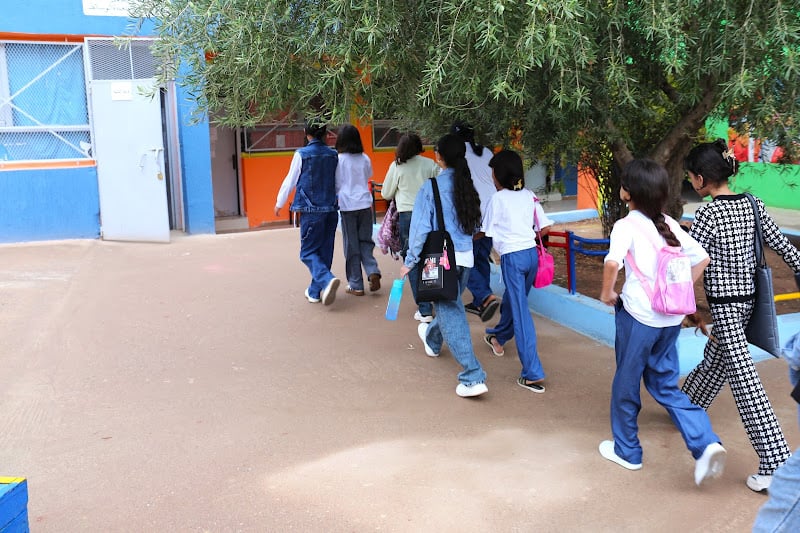
A peer reviewed study published in the International Journal of Educational Development says Morocco would need to cut average class size from about 37 pupils to 23 to 24 to significantly improve learning outcomes, warning that performance deteriorates sharply once classes exceed 30 students.
The research, conducted by Younes Laghdiri and Nawal El Ouazzani Tehami of Hassan II University in Casablanca, analyzed PISA 2022 data covering more than 5,900 students in 150 Moroccan schools. It concludes that the optimal class size for effective learning ranges between 23 and 24 pupils, implying a reduction of up to 36 percent from current levels.
Econometric modeling suggests that reducing class size to 23 students could yield gains of 15 to 25 points in PISA mathematics, science and reading scores. The authors say such gains exceed the impact typically recorded from conventional education interventions and would disproportionately benefit students from disadvantaged socio economic backgrounds.
The study estimates that reaching this model would require a 49.3 percent increase in per student costs to cover salaries and infrastructure. However, it calculates a return on investment coefficient of 29.1, classifying the reform as a very strong long term investment in human capital and economic growth.
Methodologically, the authors combined multi criteria optimization with simulated fuzzy regression discontinuity design to establish what they call a high performance corridor between 23 and 26 pupils.
They report statistically significant positive effects within this range, turning sharply negative beyond 30 students, and recommend adopting a unified national benchmark centered on 23 to 24 pupils per classroom.








add your comment
Terms of publication : Not to offend the writer, people, sacred things, or attack religions or the divine self, and refrain from racist incitement and insults.