
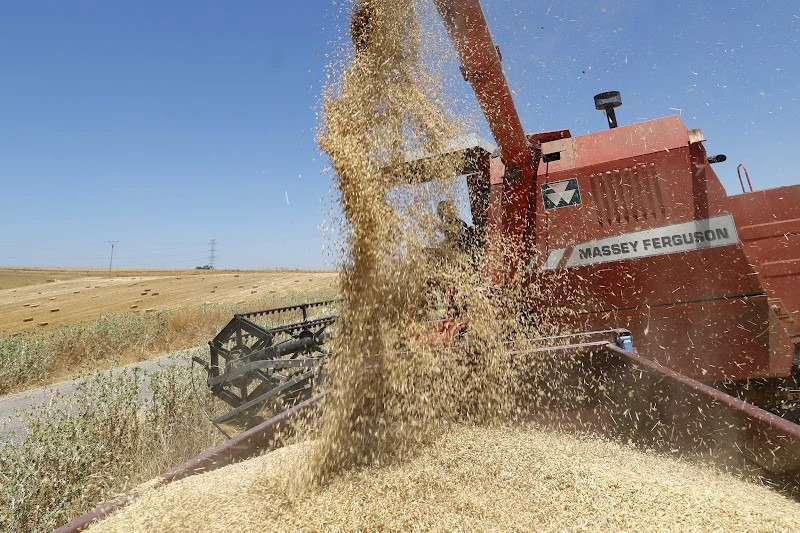
Morocco’s feed and poultry industries are under increasing pressure, as feed mills and poultry producers struggle to secure the raw materials they need due to weeks of disruption to feedstuff imports, according to industry sources quoted by All About Feed, a specialized website on the global animal feed sector.
Mustafa Al Muntasir, head of the National Association of Poultry Meat Producers, said that the industry is facing a severe shortage of corn and soy, which could trigger an unprecedented crisis in supplying the national market with broiler chickens.”
All About Feed highlighted that storms in January 2026 disrupted operations at Morocco’s major ports, forcing vessels from global shipping lines like CMA CGM, Maersk, and Hapag-Lloyd to stay anchored offshore, leading to major cargo backlogs and delays.
Citing the Association of Compound Feed Manufacturers, the source said that the prolonged import disruption has pushed “Morocco’s feed industry to a critical point and urged the Ministry of Agriculture to act quickly to prevent the transport crisis from turning into a broader supply shock.”
It also highlighted that feed mills warned stranded vessels are driving up production costs and disrupting the supply of animal products to the market.
With nearly 90% of feed raw materials imported and limited storage capacity, the sector remains “vulnerable to logistical shocks,” the report warned.
The National Association of Poultry Meat Producers (ANPC) questioned claims by professional feed producers about shortages in strategic reserves caused by storms and port storage issues, calling for an investigation.
But, the National Association, which is part of Morocco’s inter-professional poultry federation (FISA) and includes the Association of Compound Feed Producers, dismissed these claims.
Al Muntasir told Hespress AR on Tuesday that a rise in poultry production combined with lower demand led to chickens consuming twice the usual amount of feed, using up three months of feed supplies in just one month.
He added that the situation was worsened by unprotected Moroccan ports, which were hit by high waves, preventing the unloading of feed shipments, and called for sea barriers to keep ports operating in bad weather.
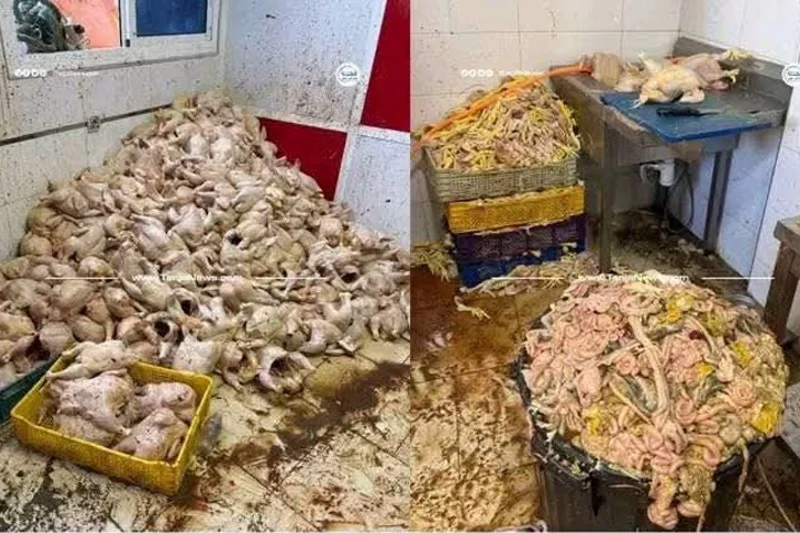
With over 45 ships stuck at sea carrying feed materials, delays are causing daily losses of up to $20,000 per vessel, and farmers have been forced to sell chickens at very low prices before they reach full weight to cover some of their costs, Al Muntasir said.




add your comment
Terms of publication : Not to offend the writer, people, sacred things, or attack religions or the divine self, and refrain from racist incitement and insults.