
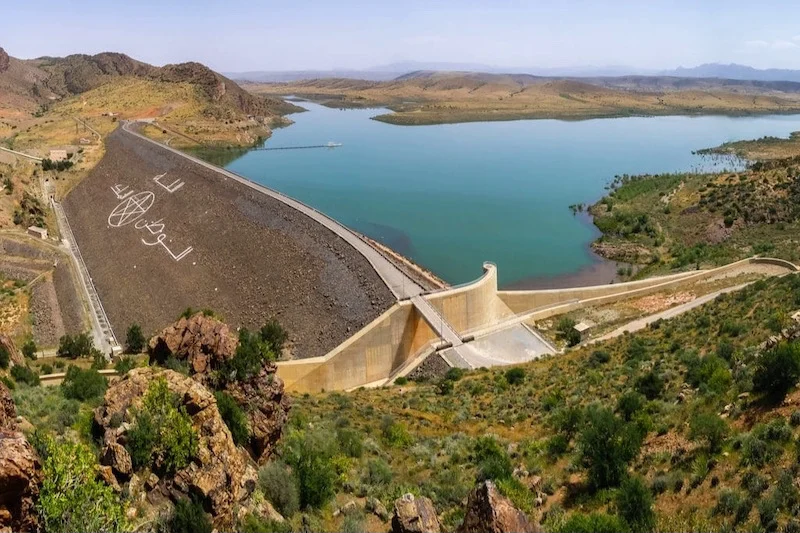
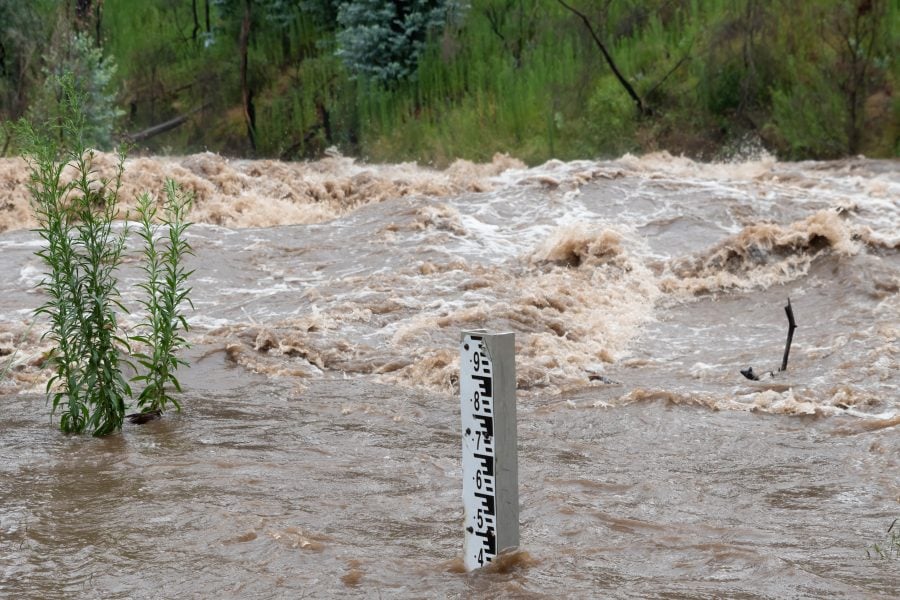
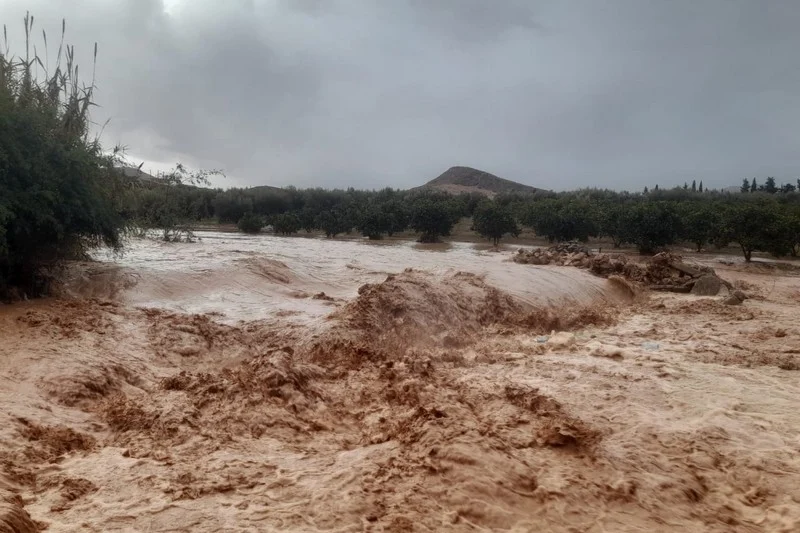
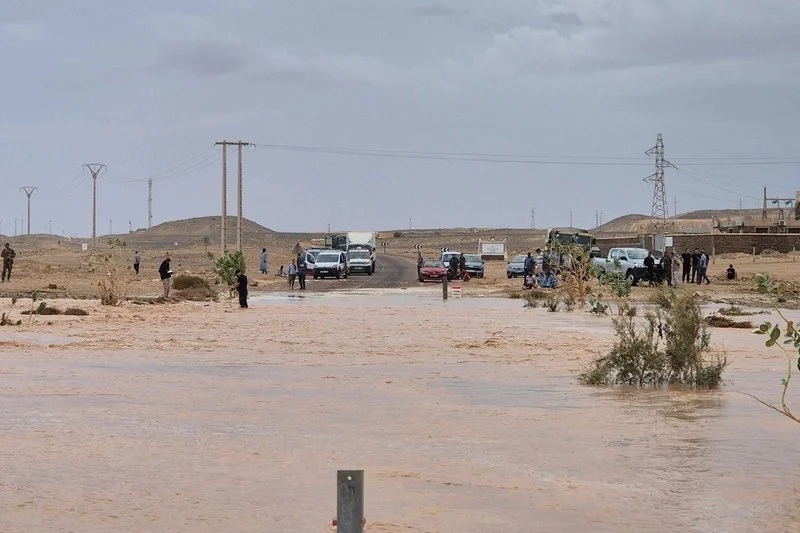
Morocco’s Government Council has reviewed a draft decree on dam classification and safety assessment that would, for the first time, set clear rules on responsibility, monitoring and evaluation of hydraulic infrastructure, as recent floods increased pressure on strategic reservoirs and sharpened scrutiny of dam management, according to officials quoted by Hespress.
An official source told Hespress that draft decree No. 2.25.542, covering dam classification and the evaluation of safety levels, is part of a package of three interdependent decrees that the council must examine together because their provisions are linked by a single theme, dams. A separate informed source said the council limited itself to reviewing the texts and agreed to deliberate on the three decrees in a single sitting before approval, in order to establish a coherent legal reference for strategic hydraulic installations.
The same source said the texts are complementary and cannot be adopted separately, adding that the package is expected to return to a forthcoming Government Council meeting in the coming weeks, without a fixed date, depending on the agenda and coordination with the General Secretariat of the Government.
A source within the Directorate General of Hydraulic Engineering said the decree would serve as a reference framework for dam governance by defining who is responsible for each structure, the obligations of operators, and the tasks and contracts tied to studies and operations, with the stated aim of strengthening transparency.
Asked about delays in issuing the decree despite its strategic weight, the official source cited the number of stakeholders involved, saying each party had to provide input, which slowed the process, and that multiple proposals had to be incorporated before the text could advance.
The draft decree would operationalise the 2016 Law 30 15 by setting practical modalities for classifying dams, defining criteria and responsibilities, and determining inspection frequency.
It would introduce three categories, A, B and C, based on height and storage capacity, allowing authorities to prioritise oversight according to potential risk in the event of failure.
It would also regulate safety level assessments through a multidisciplinary approach that considers the overall condition of the structure, performance under normal operation and under stress, the reliability of equipment, and geotechnical parameters.
The text would require regular monitoring, daily for A and B dams and weekly for C dams, with heightened follow up during exceptional situations such as floods or earthquakes.
Safety evaluation studies would be carried out by specialised teams in civil engineering, hydraulics, geology and geotechnics under a strict methodological framework intended to standardise report quality and comparability.
The decree would also set transitional arrangements for dams already in operation to phase them into the new classification and evaluation regime without creating a regulatory gap.





add your comment
Terms of publication : Not to offend the writer, people, sacred things, or attack religions or the divine self, and refrain from racist incitement and insults.