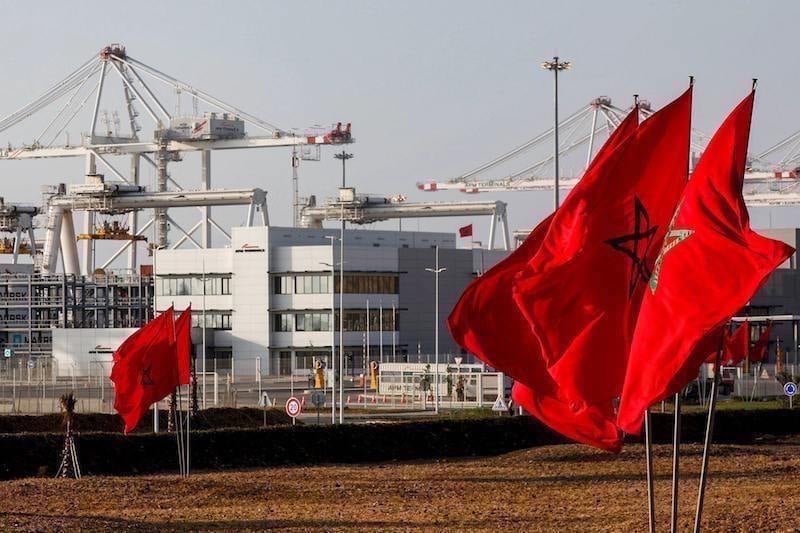
Morocco’s budget deficit for 2025 reached 60.5 billion dirhams, equivalent to 3.5% of gross domestic product (GDP), according to official figures.
While this level aligns with targets set in the Finance Law, economic analysts note differing interpretations of the outcome. Some view it as a consolidation of fiscal sovereignty, while others see it as a temporary improvement influenced by favorable circumstances.
The Ministry of Economy and Finance explained that the reduction in the deficit, accompanied by a decline in the debt ratio to 67.2% of GDP, was mainly driven by revenue growth (up 52.9 billion dirhams) surpassing the increase in expenditures (51.9 billion dirhams).
Mohamed Jadri, an economic analyst, emphasized that Morocco’s government has made significant efforts to strengthen macroeconomic indicators, including controlling the budget deficit and public debt. “The deficit decreased from 5.1% to around 3% in the outlook for 2026, enhancing Morocco’s financial sovereignty in dealings with international institutions such as the IMF and World Bank,” he said in a statement to Hespress AR.
Jadri highlighted that the country’s revenues benefited from reforms on corporate tax, value-added tax, and income tax, which broadened the tax base and improved collection efficiency without disturbing economic balances. He noted that favorable global conditions, including oil prices, also contributed to these results.
Rachid Sari, head of the African Center for Strategic Studies and Digitization, described the 3.5% deficit as consistent with the Finance Law targets, reflecting relatively effective control over government balances despite economic pressures.
He pointed out that while the deficit reduction and declining debt are positive, the narrow margin between revenue and expenditure growth (around 1 billion dirhams) makes the fiscal position vulnerable to external shocks, such as global market fluctuations or rising energy costs.
Sari also stressed that the sustainability of the improvement depends on whether the revenue growth is structural, through tax reforms and base expansion, or temporary due to exceptional factors. “The key challenge is converting additional revenues into productive investments that boost growth and job creation rather than merely funding current spending,” he said.
Analysts generally agree that while Morocco’s fiscal discipline enhances its credibility with international investors and institutions, ongoing structural reforms and broadened tax bases remain essential to ensure long-term financial resilience.






add your comment
Terms of publication : Not to offend the writer, people, sacred things, or attack religions or the divine self, and refrain from racist incitement and insults.