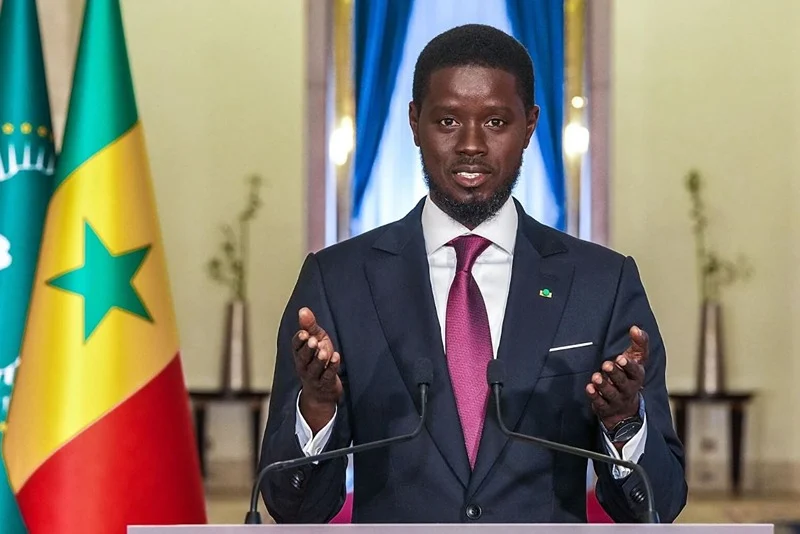
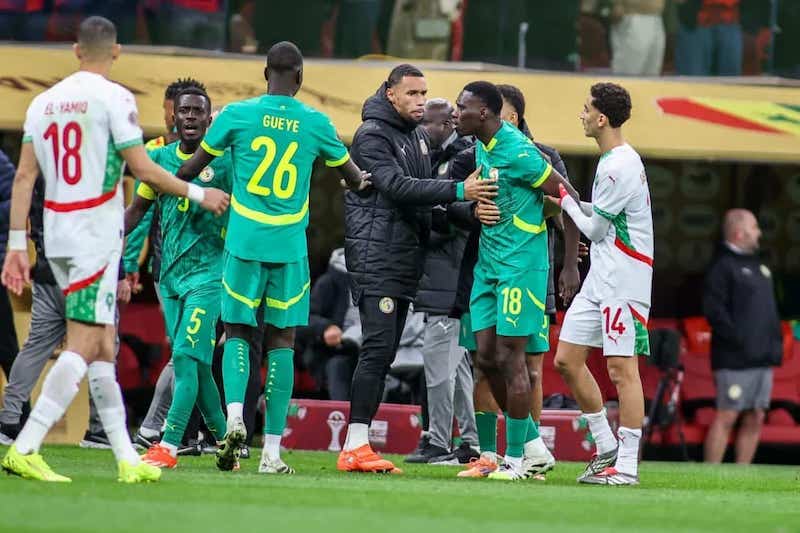
President of Senegal, Bassirou Diomaye Faye, congratulated Morocco for hosting the Africa Cup of Nations and praised the remarkable performance of its national team.
Faye thanked Morocco for its hospitality, saying, “on behalf of the Senegalese people, I thank King Mohammed VI and the Moroccan people for the warm welcome given to our delegation.”
Faye added, “I want to commend the Moroccan people for the huge efforts made in organizing this tournament.”
Beyond football, the two countries’ strong relationship is visible in trade figures, signed agreements, diplomatic decisions, and political alignment, including Senegal’s clear support for Morocco on the Moroccan Sahara issue.
Economic and trade cooperation
Morocco and Senegal established diplomatic relations in 1960. Since then, Senegal has remained one of Morocco’s most consistent allies in West Africa.
This alignment has been reinforced through frequent high-level visits, including several trips by Morocco’s king to Dakar between 2013 and 2017, during which dozens of cooperation agreements were signed across economic and social sectors.
Economic exchange has grown over the years. Bilateral trade rose from around $98 million in 2010 to approximately $370 million by 2024.
Moroccan exports to Senegal include fertilizers, construction materials, processed food products and industrial goods, while Senegal exports agricultural products and seafood to Morocco.
Despite this growth, both sides acknowledge that trade volumes remain limited compared to potential.
Moroccan investment in Senegal has focused on banking, insurance, construction and agriculture.
Moroccan banks such as Attijariwafa Bank operate in Senegal, serving businesses and individuals.
In agriculture, cooperation is closely linked to fertilizers and food security, with Moroccan phosphate-based products playing a role in Senegalese farming programs.
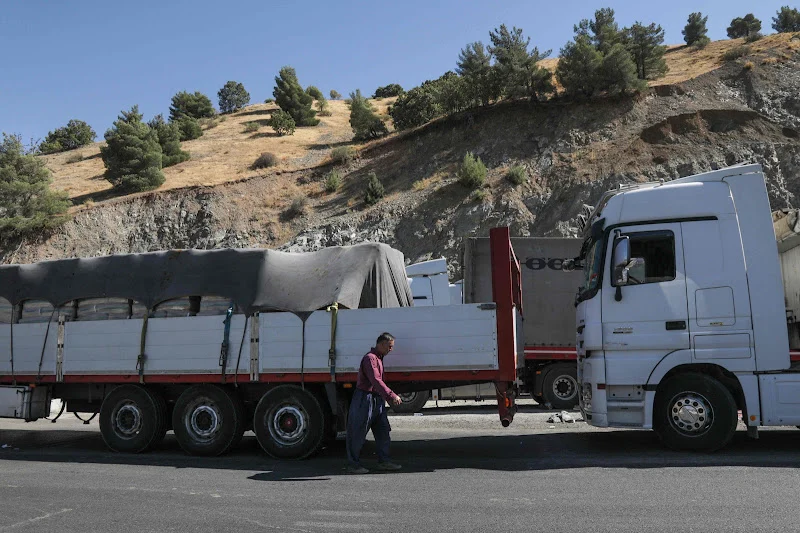
In December 2024, Morocco and Senegal launched a direct maritime shipping line between the port of Agadir and the port of Dakar.
The route reduces transport costs and delivery times by bypassing long land routes through multiple countries. Moroccan authorities said the line was designed to support exporters and improve access to West African markets.
Transport cooperation was further formalized in 2024 with the signing of two agreements between Morocco’s National Railways Office and Senegalese counterparts.
The agreements focus on technical cooperation, training and experience sharing as Senegal works on modernizing its rail infrastructure.
Cultural, religious and political alignment
Environmental cooperation has also taken shape. and in November 2024, the two countries signed an agreement on sustainable development and ecological transition, covering climate adaptation, renewable energy and environmental management.
The agreement focuses not only on funding but also technical exchange.
In January 2024 Morocco and Senegal signed a cultural cooperation agreement. The deal covers cooperation in arts, literature, theatre, heritage preservation and library exchanges.
The agreement involves supporting artists, researchers and cultural institutions through joint programs and exchanges.
Religiously, Morocco and Senegal share deep ties through Sufi brotherhoods, particularly the Tijaniyya.
Senegalese religious leaders regularly visit Morocco, and Moroccan institutions provide training for Senegalese imams, and these ties predate modern diplomacy.
Politically, Senegal has taken one of the clearest positions in Africa in support of Morocco’s sovereignty over Moroccan Sahara.
In January 2021, Senegal opened a consulate general in the city of Dakhla, becoming one of the first African countries to do so.
Senegal has repeatedly said that it supports Morocco’s autonomy plan for Moroccan Sahara, describing it as a credible and realistic solution.
Dakar has also backed Morocco’s stance in regional and international forums, reinforcing political alignment between the two countries.
On a social level, hundreds of Senegalese students study in Moroccan universities each year under scholarship programs.
Senegalese communities live and work in Morocco, while Moroccans travel to Senegal for business, tourism and religious visits.







add your comment
Terms of publication : Not to offend the writer, people, sacred things, or attack religions or the divine self, and refrain from racist incitement and insults.