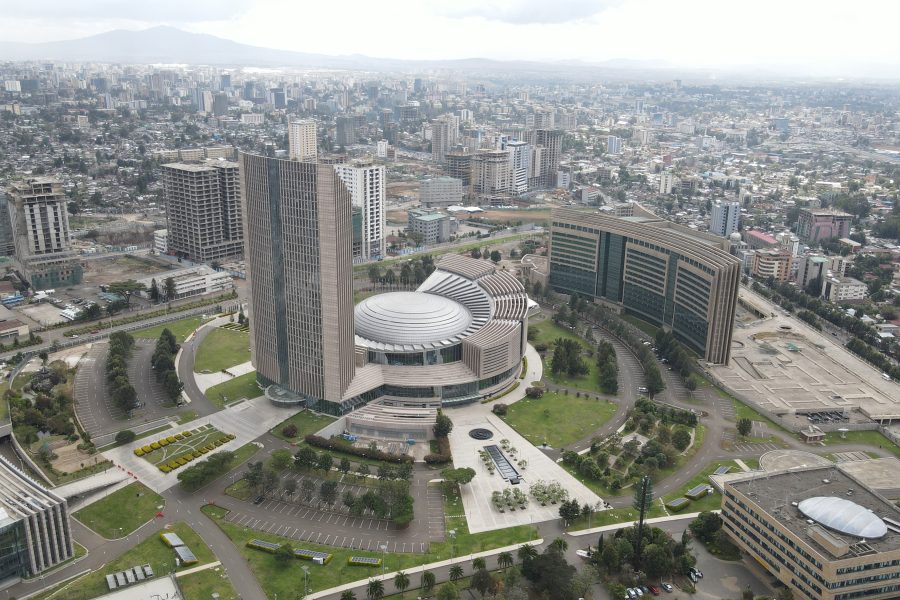
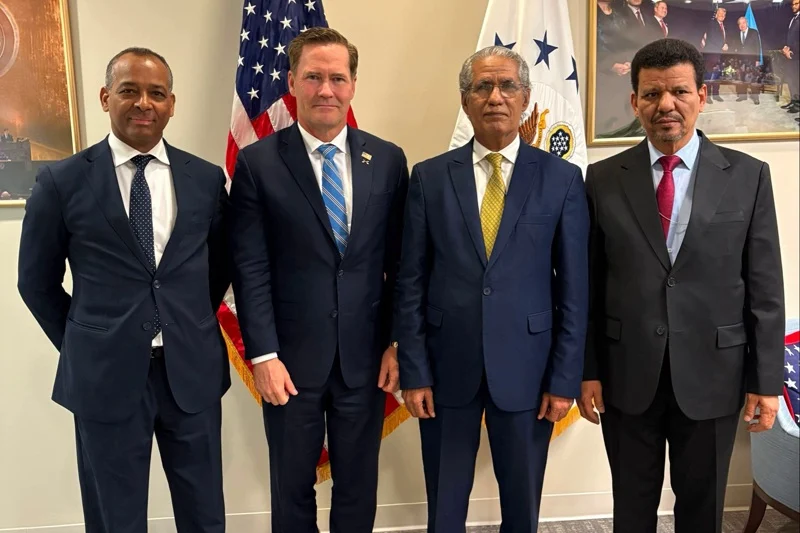
The Sahrawi Arab Democratic Republic (SADR), proclaimed by the Polisario Front, has submitted a bid for a seat on the African Union’s Peace and Security Council for the 2026–2028 term.
According to a statement published by the group’s media services, the group says it has formally submitted its candidacy to the African Union Commission and member states ahead of elections scheduled for February.
The vote is expected to take place on February 11 and 12 in Addis Ababa, during a regular meeting of the AU Executive Council.
The Peace and Security Council is one of the African Union’s most important institutions. It deals with conflict prevention, crisis management, mediation, and post-conflict reconstruction across the continent.
Its 15 members are elected based on regional balance, with North Africa holding two seats. One of those seats is currently held by Algeria, which secured a three-year term last year.
The second North African seat is now open, and competition is expected to be strong.
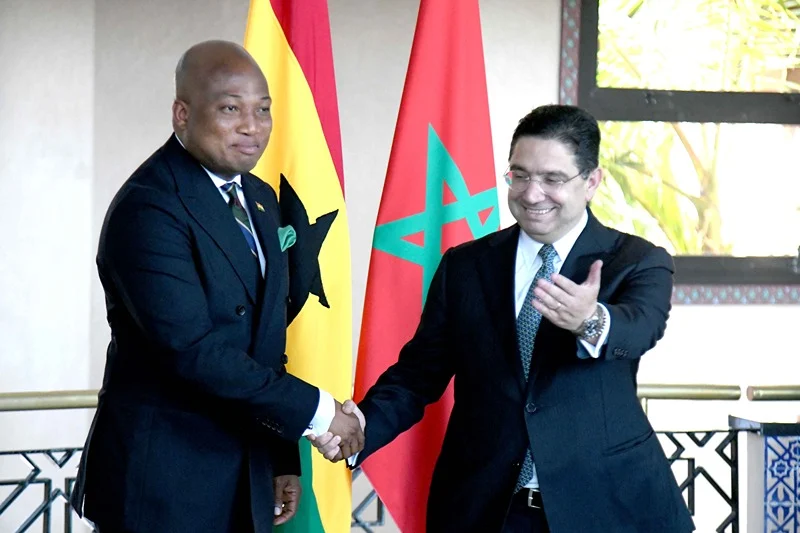
Morocco and Libya have both declared their interest in the position, making the race highly political.
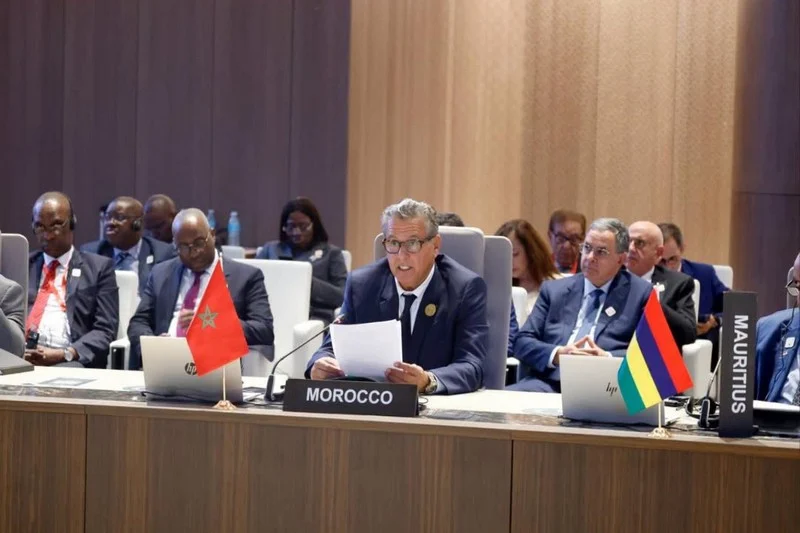
Morocco, which has played an active role in African peace and security initiatives in recent years, has already completed two consecutive terms on the council between 2019 and 2025.
In its diplomatic note, SADR says that its long involvement in African Union structures qualifies it for the role. It points to its participation in AU institutions and says its experience with prolonged regional tensions, displacement, and fragile environments could be relevant to the council’s work.
SADR also claims it wants to contribute to preventive diplomacy and conflict resolution efforts at the continental level.
However, this candidacy comes at a time when the Polisario is facing growing diplomatic pressure. Several African countries have withdrawn or frozen their recognition of the separatist entity in recent years, while others have openly questioned its status within the African Union.
At the international level, momentum has increasingly shifted toward Morocco’s autonomy proposal for the Moroccan Sahara, which has gained support from a growing number of countries.
The upcoming vote will be closely watched, as it will determine who represents North Africa on the Peace and Security Council for the next three years.
The result could influence debates inside the AU on security, regional stability, and political disputes in North Africa and the Sahel.







The strangest thought that comes to mind when we witness the progress and development in all sectors, and the state of our southern cities—Smara, Boujdour, Aousserd, the rising city of Dakhla, and the vibrant city of Laayoune, the jewel of southern Morocco—is what awaits our brothers and sisters languishing in tents of shame and tin shacks on the occupied sands of Tindouf, held captive, their meager belongings torn away by winds and storms, enduring immense suffering. Isn’t it time for you to return with dignity, to live alongside your free Moroccan brothers and sisters, honored and respected among your cousins from Tangier in the north to Lagouira in the south?
And we are all prepared, through legal means and with our very lives, to reclaim our usurped eastern Moroccan Sahara from the hands of its guardians, the hateful military regime. We will reclaim it, with its regions of Bechar, Saoura, Tidikelt, Tigourarine, Kenadsa, Tindouf, Hassi Beida, Touat, and others, to the sovereignty